
Spain World Cup victory sealed by Ferran Torres’ extra‑time strike as La Roja down Argentina 1–0
Spain World Cup victory sealed by Ferran Torres’ extra‑time goal as La Roja beat Argentina 1–0 in a tactical final defined by possession and endurance today.
Spain clinched the World Cup with a 1–0 extra‑time win over defending champions Argentina, a triumph built on sustained ball possession and a decisive substitute strike from Ferran Torres. The result capped a tournament in which Spain combined technical control and tactical discipline to wear down a fierce Argentine side. The victory marks Spain’s second World Cup title and underlines the central role of midfield control in the team’s run to the trophy. (apnews.com)
Match winner and decisive moment
Ferran Torres, introduced from the bench, broke the deadlock in the 106th minute with a powerful finish that settled a tense final. The goal came after sustained Spanish pressure in extra time and was the only score of a game that saw few clear chances during 90 minutes. Substitutions and a late tactical shift by Spain paid off when Torres seized a moment to convert, handing La Roja the championship. (skysports.com)
Spain’s possession strategy undermined Argentina
Spain’s game plan emphasized patient possession, short passing and territorial control, a strategy that consistently forced Argentina into defending deeper as the match progressed. Midfielder Rodri set the tempo throughout the tournament and was instrumental in dictating pace and recycling possession in the final. That methodical control limited Argentina’s opportunities and gradually eroded the stamina of their opponents. (fifa.com)
Argentina’s resistance and critical setbacks
Argentina remained resolute for most of the match but struggled to convert counterattacks into sustained pressure on Spain’s defense. The contest intensified late in regulation, and Argentina’s discipline frayed at a crucial moment, leaving them numerically disadvantaged heading into extra time. Key players pressed forward in search of a winner, but Spain’s defensive organisation held firm until Torres’ decisive intervention. (theguardian.com)
Statistical picture and tournament context
Spain finished the tournament with a near‑unblemished defensive record and an unbeaten run that underscored consistency across 48 teams. Tournament data highlighted Spain’s exceptional pass completion and high possession percentages, metrics that mirrored their on‑field dominance in stretches of the final. The victory returns the World Cup crown to Spain for the second time in the nation’s history, reinforcing a Golden Generation’s legacy. (fifa.com)
Tactical adjustments and coaching decisions
Coach Luis de la Fuente’s selection choices and timely substitutions attracted particular attention after the final whistle. The introduction of attacking reinforcements and a disciplined midfield reshuffle allowed Spain to maintain control while testing Argentina’s backline in phases. The coaching staff’s balance of offensive intent and defensive caution proved decisive in a match that was ultimately decided by a single moment. (fifa.com)
Reactions, celebrations and immediate fallout
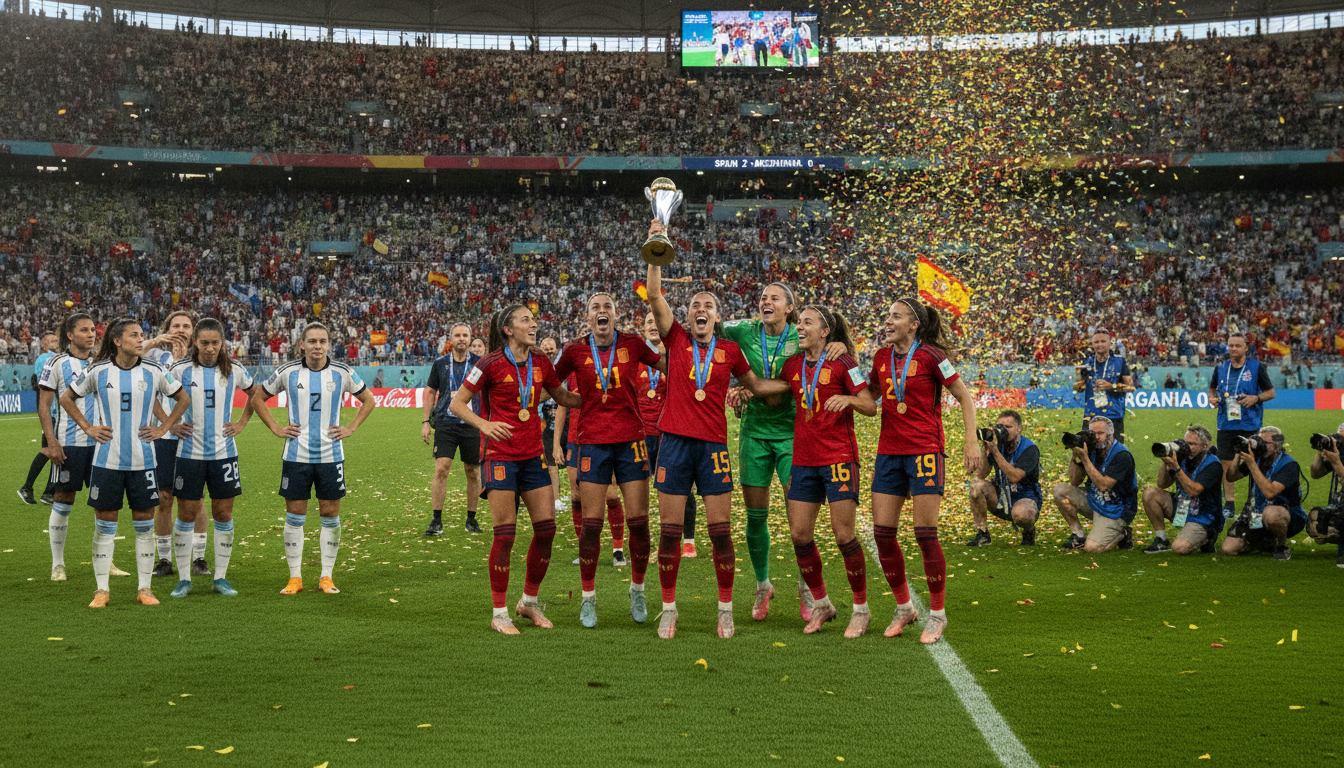
Scenes of celebration followed the final whistle as Spain’s players lifted the trophy amid jubilant displays on the field and in fan zones. Reactions from former players, officials and broadcasters highlighted the match as a tactical masterclass by Spain and a testament to the team’s depth. Attention will now turn to how both nations rebuild from this conclusion and what the result means for future international competitions. (apnews.com)
Spain’s win ends a month of intense international competition and will be dissected in the coming days for its tactical lessons and individual performances. The tournament reinforced the centrality of midfield control at the highest level, and Spain’s blend of technical skill and strategic patience provided a blueprint for success on football’s biggest stage.

