
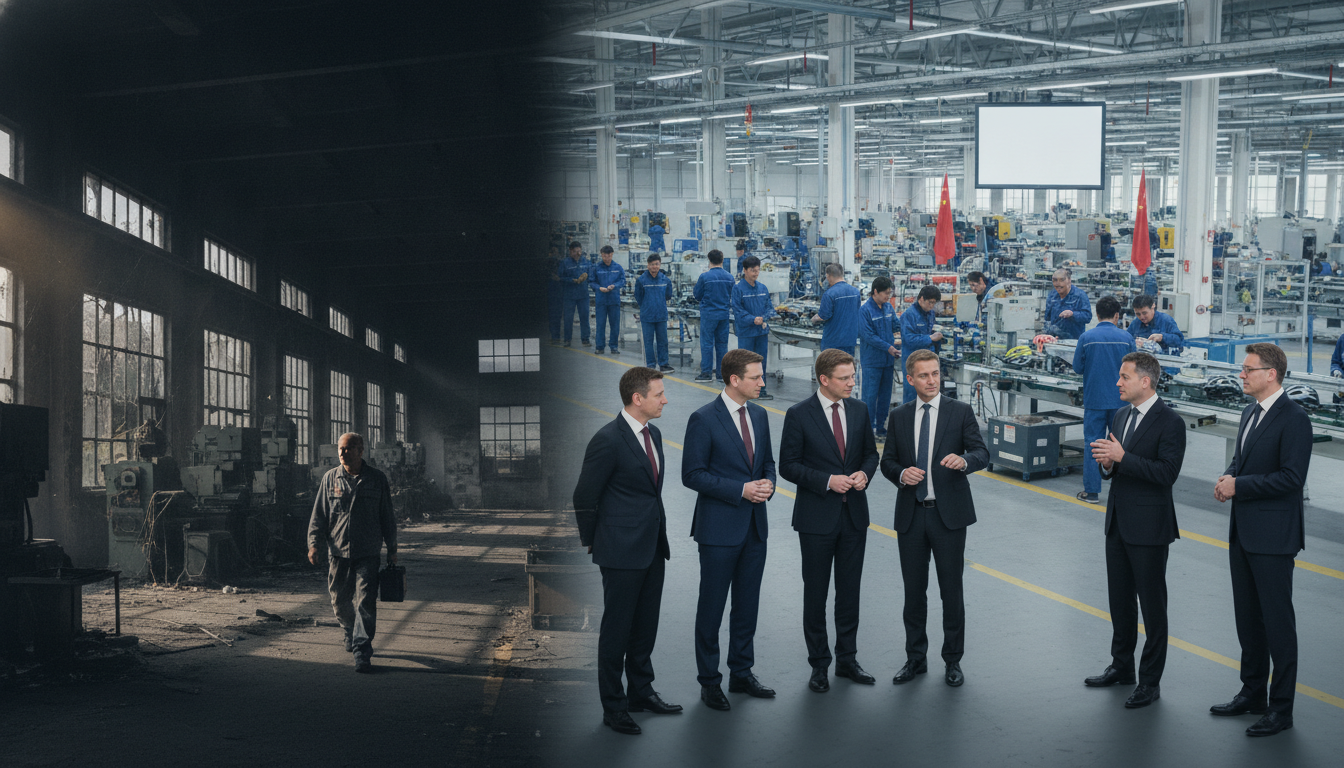
German bicycle manufacturing faces setback as KED moves helmet production to China
KED, a family-run German bicycle helmet maker, will move production to China later this year, a decision that highlights mounting strains on German bicycle manufacturing and parts supply chains. The relocation underscores how global competition and cost pressures are reshaping where helmets, frames and components are made. Industry observers say the move may accelerate a broader shift of bicycle-related manufacturing away from Germany and other EU centers.
KED to Shift Production to China
KED announced it will transfer its entire production process overseas, ending domestic manufacturing of its helmets. The company’s decision follows years of competitive pressure from lower-cost manufacturers and tighter margins faced by European producers.
The move is significant because KED has been positioned as a family-oriented, quality-focused brand with roots in Germany. Its departure from local manufacturing raises questions about brand identity and the resilience of domestic supply chains.
Domestic Cost Pressures and Market Realities
Manufacturers across Germany have reported rising labor, energy and regulatory costs that squeeze profitability. For smaller, family-run businesses such as KED, those factors make it difficult to match the pricing of large-scale foreign producers without sacrificing margins.
At the same time, demand patterns in Europe have evolved, with consumers increasingly sensitive to price and global supply networks better able to deliver high volumes. That combination has left German bicycle manufacturing vulnerable, particularly in lower-margin product lines like basic helmets and some components.
Competitive Pressure from Chinese Suppliers
Chinese manufacturers have scaled up production capacity and improved quality control, allowing them to offer competitive pricing at larger volumes. This dynamic has put sustained downward pressure on European factories that cannot match the same economies of scale.
The shift is not limited to helmets; parts, frames and even some electric-bike components have seen rising imports in recent years. For many buyers and retailers, the immediate cost advantage of overseas sourcing outweighs the premium they might pay for locally produced goods.
Local Jobs and Supplier Networks Affected
Relocating production will affect more than KED’s factory line; it will ripple through local suppliers, logistics firms and service providers. Companies that supplied materials, tooling and maintenance to KED’s operations now face contract losses and uncertain futures.
Communities that once relied on such manufacturers for stable employment may see reduced industrial activity and fewer high-skill manufacturing roles. While some white-collar functions such as design, marketing and quality control may remain, the scale of industrial work moving overseas will likely reduce local job opportunity.
Industry and Political Responses in Germany and the EU
Industry groups have urged policymakers to consider measures that support critical manufacturing, from targeted subsidies to tax incentives and skills programs. Proposals also include strengthening procurement rules to favor locally made products in public contracts and investing in automation to lower domestic production costs.
Policymakers face difficult trade-offs between protecting jobs and maintaining competitive markets. Any intervention will need to balance fiscal constraints, World Trade Organization obligations and the risk of simply delaying structural adjustments that firms deem necessary.
Implications for Brand Strategy and Consumer Perception
For brands like KED, shifting production will require careful management of customer expectations and brand messaging. Maintaining perceived quality and safety standards will be essential, especially for products marketed to families and children where trust is paramount.
Retailers and distributors will also adjust sourcing strategies, potentially accelerating consolidation among suppliers. For consumers, the change may mean lower prices but could also prompt renewed interest in certified safety standards and transparency around where products are made.
Germany’s bicycle manufacturing sector now faces a pivotal moment as companies reassess the balance between domestic production and global sourcing. The KED move is likely to be closely watched by other mid-sized manufacturers deciding whether to invest in local automation, seek niche premium markets, or relocate production to remain viable.
Long-term outcomes will depend on how businesses adapt and whether policymakers and industry groups can create conditions that preserve key manufacturing capabilities. For now, the relocation of helmet production to China stands as a concrete signal that competitive pressures are reshaping the landscape of German bicycle manufacturing.
The coming months will reveal whether KED’s transition becomes a one-off adaptation or part of a broader realignment that permanently reduces the share of bicycle and parts production in Germany and the EU.

