
Tokyo Metropolitan University to Refund Entrance Fees for Withdrawn Students
Tokyo Metropolitan University will fully refund entrance fees to applicants who decline enrollment, eliminating double payment and easing financial strain on students.
Policy Announcement on June 17 2026
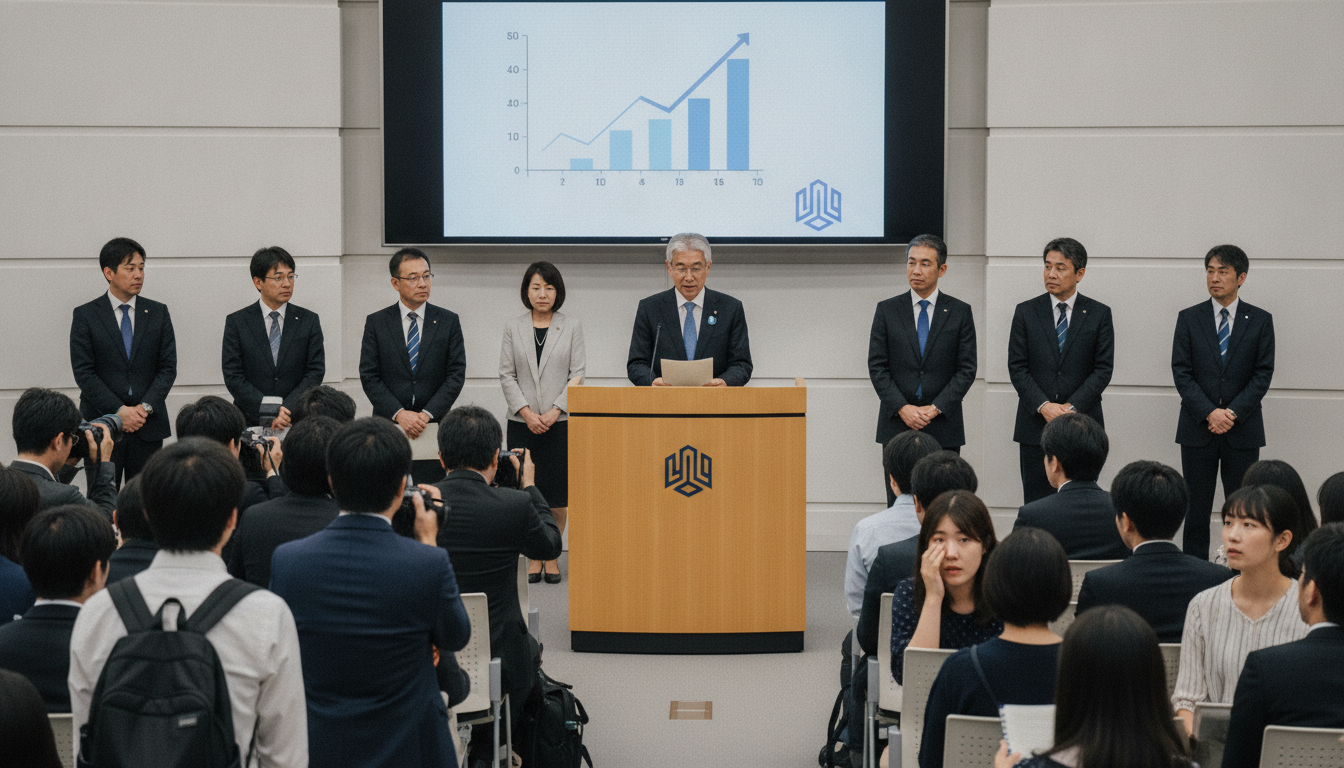
Tokyo Metropolitan Government announced on June 17 2026 that Tokyo Metropolitan University will begin refunding the full entrance fee to students who pay but later decline admission. The measure is intended to address what officials described as the problem of "double payment" when applicants accept multiple offers and must forfeit one or more fees.
The announcement came during a session of the Tokyo Metropolitan Assembly where assembly member Momoko Teramae questioned the administration and Tomohide Sato, Director General of the General Affairs Bureau, provided the response. The policy takes effect in the current fiscal year and applies to specified categories of successful applicants.
Refund Eligibility and Process
The refund will cover applicants who secured admission through the undergraduate general entrance examination and who paid the university entrance fee before finalizing their matriculation. Students who complete the admission payment and subsequently notify the university that they will not enroll will be eligible for a full refund.
Tokyo officials said applicants typically must pay the fee by mid March, while many private universities announce additional successful candidates later in March. That timing gap has created cases where students pay Tokyo Metropolitan University and then withdraw after receiving a preferable offer.
Financial Details and Scale
The standard entrance fee for Tokyo Metropolitan University is 282,000 yen and Tokyo residents pay half that amount. Under the new policy, eligible students will be refunded the entire entrance fee they paid, regardless of residency status.
Data cited by the metropolitan government showed that in the 2024 academic year nine successful general entrance examinees withdrew after submitting the entrance fee. Officials described those instances as a financial burden the new refund policy aims to eliminate.
Rationale Cited by Officials
Metropolitan officials said the refund policy is intended to reduce economic barriers that can constrain applicants choices and to prevent unnecessary financial loss. The government framed the change as part of broader efforts to promote equity in access to higher education and to ensure that financial timing does not distort students decision making.
Tomohide Sato emphasized that easing the burden of upfront costs would broaden the practical options available to applicants, particularly those from households with limited savings. The administration also noted the policy aligns with a wider concern about fairness in the university admissions calendar.
Impact on Applicants and Admissions Practice
Students and families confronted with overlapping offer schedules should see a reduction in immediate out of pocket costs under the new rule. Advocates for applicants say the change may reduce anxiety about choosing between offers and limit the pressure to make early irreversible payments.
Universities and admissions administrators will need to adapt payment and refund processing to accommodate the change. Admissions offices may also need to clarify deadlines and documentation needed to obtain refunds in order to prevent disputes and delays.
Context and Possible Wider Effects
The metropolitan action comes amid growing attention to admissions timing and the financial burdens associated with applying to multiple institutions. Some private institutions have been criticized for releasing additional offers late in the admission cycle, creating timing conflicts for students who already paid other universities.
Tokyo Metropolitan University moves to refund fees may prompt other public and private universities to review their payment and refund practices. Observers say the policy change could be a catalyst for broader adjustments to harmonize admissions calendars and reduce transactional barriers for applicants.
The metropolitan government plans to publish specific refund procedures and required documentation soon, and officials said they will monitor implementation closely to ensure timely reimbursement. The move is intended to be practical and immediate while the city considers longer term coordination with other institutions.
The policy is designed to remove a source of avoidable financial loss for applicants and to encourage fairer conditions across the university admission process.

