
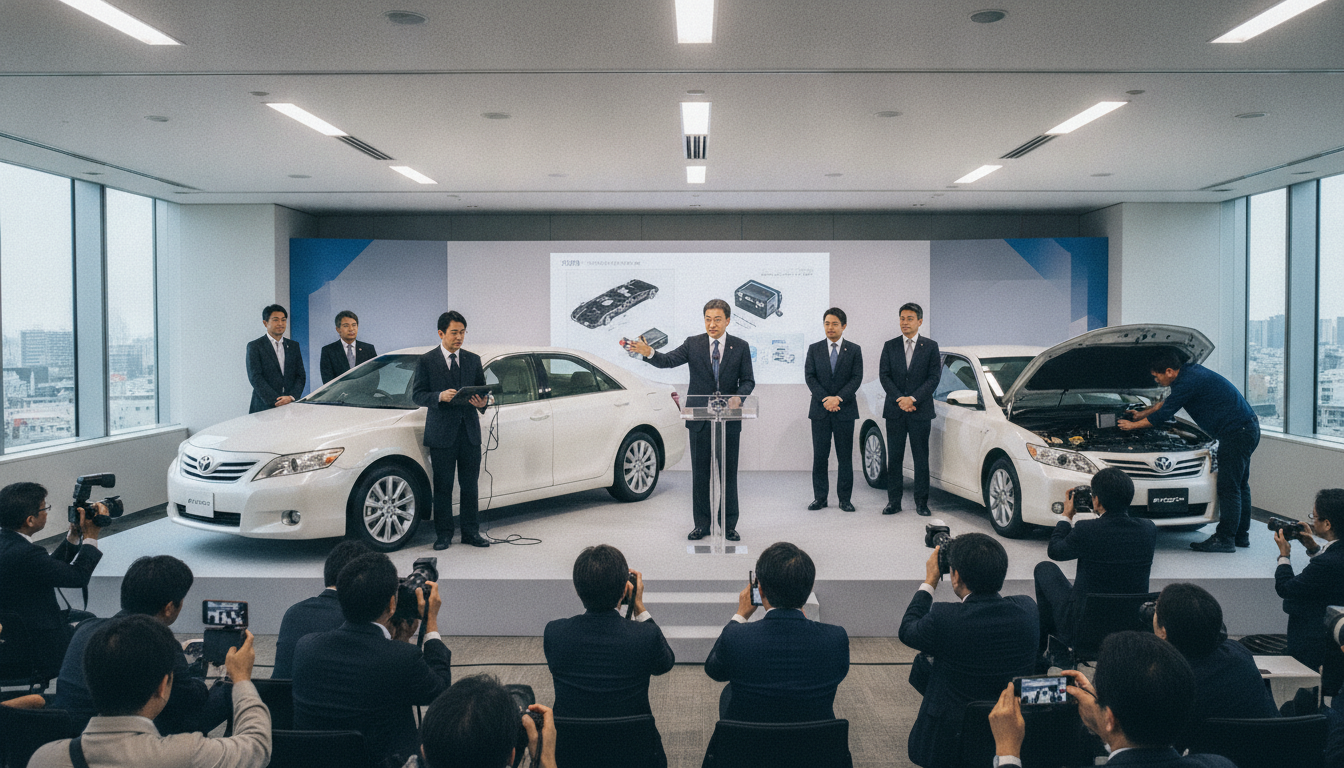
Toyota to Retrofit Used Cars with Driver-Assist and Anti-Theft Technology
Toyota is offering retrofit safety packages for Toyota used cars at group dealerships, adding driver-assist and anti-theft options to boost sales and create new revenue streams.
Toyota Motor has begun offering retrofit safety packages for Toyota used cars at group dealerships in a move aimed at increasing foot traffic and driving additional revenue from aftermarket services. The program, announced from Nagoya, gives buyers the option to add driver-assistance systems and anti-theft technology to older vehicles at the point of sale. Toyota dealerships currently sell an estimated 350,000 used cars annually and the group is targeting 550,000 by 2030, a goal officials say the retrofit offering is intended to support. The initiative is being positioned as a way to modernize older vehicles while capturing customers who might otherwise look to competing outlets.
Program Launch and Dealer Offerings
Toyota introduced the retrofit option through its network of group dealerships, initially rolling out the service in selected markets including Nagoya. Dealerships will present retrofit packages alongside certified pre-owned vehicles, allowing buyers to choose upgrades before finalizing purchases. Company spokespeople describe the approach as a way to standardize safety enhancements for secondhand vehicles and to keep resale stock competitive with new-car technology. The packages are offered as dealer-installed options that complement Toyota’s existing certified used-car warranties.
Scope of Safety Upgrades
The retrofit packages center on driver-assist features and anti-theft systems, with dealers describing a menu of options that can include collision-mitigation sensors, lane-departure aids, and upgraded alarm and immobilizer components. Toyota has emphasized that the specific upgrades will vary by vehicle model and year, reflecting differences in wiring, electronic architecture, and mounting points. Technicians will assess each vehicle before installation to confirm compatibility and to outline any additional calibration or software updates required. The company says the upgrades are intended to improve everyday safety and theft deterrence for older vehicles that lack modern factory-fit systems.
Sales Targets and Revenue Strategy
Dealership executives view the retrofit program as a twofold revenue play: it can raise the asking price and perceived value of used inventory while generating installation and service income. Toyota dealerships sell roughly 350,000 used cars a year, and the group has set a target of reaching about 550,000 annual used-car sales by 2030. The retrofit option is being pitched as a scalable way to close the gap toward that target by making older models more attractive to safety-conscious buyers. Toyota expects recurring aftermarket sales and follow-up service visits to strengthen dealer profitability beyond the initial vehicle transaction.
Dealer Network Rollout and Training
Rolling out retrofit installations across a nationwide dealer network requires technical training, inventory management and a quality-control regime, according to staff involved in the pilot. Dealership technicians will need to gain familiarity with a range of vehicle platforms, sensor calibration procedures and software integration tasks that differ from typical routine servicing. Toyota is developing standardized installation protocols and diagnostic checks to ensure consistent performance and to protect existing warranties. Dealers also plan to offer buyers demonstration and documentation so customers understand what the retrofit does and any maintenance implications.
Consumer Appeal and Market Context
Used-car buyers often prioritize cost, reliability and safety, and Toyota believes retrofits will appeal to those seeking additional protection without purchasing a new vehicle. For budget-conscious consumers, the option to add targeted safety systems at the dealer can bridge the gap between older models and modern safety expectations. The offering may be particularly relevant in markets with an aging vehicle fleet or where rapid adoption of advanced driver-assistance features in recent new models has outpaced the average age of secondhand stock. Dealers expect the ability to tailor packages to buyer needs will help move vehicles that might otherwise linger on lots.
Regulatory and Technical Considerations
Integrating aftermarket safety systems into a vehicle requires attention to regulatory compliance and system interoperability, and Toyota is emphasizing due diligence in these areas. Installations must meet local safety and inspection standards, while sensor alignment and software updates are critical to ensure systems perform as intended. The company is working with technical teams to document procedures and to establish testing benchmarks for retrofit installations. Toyota also notes that not all advanced features available on new models can be retrofitted to older platforms, and transparency about limitations will be part of dealer discussions with buyers.
The retrofit initiative underscores a broader strategy to extract more value from the used-car market while addressing consumer demand for modern safety features, and it could reshape how dealers merchandise pre-owned inventory. By packaging upgrades as dealer-installed options, Toyota aims to make safer vehicles more accessible to buyers and to open a sustained revenue line for its dealership network as it works toward its 2030 sales ambitions.

