
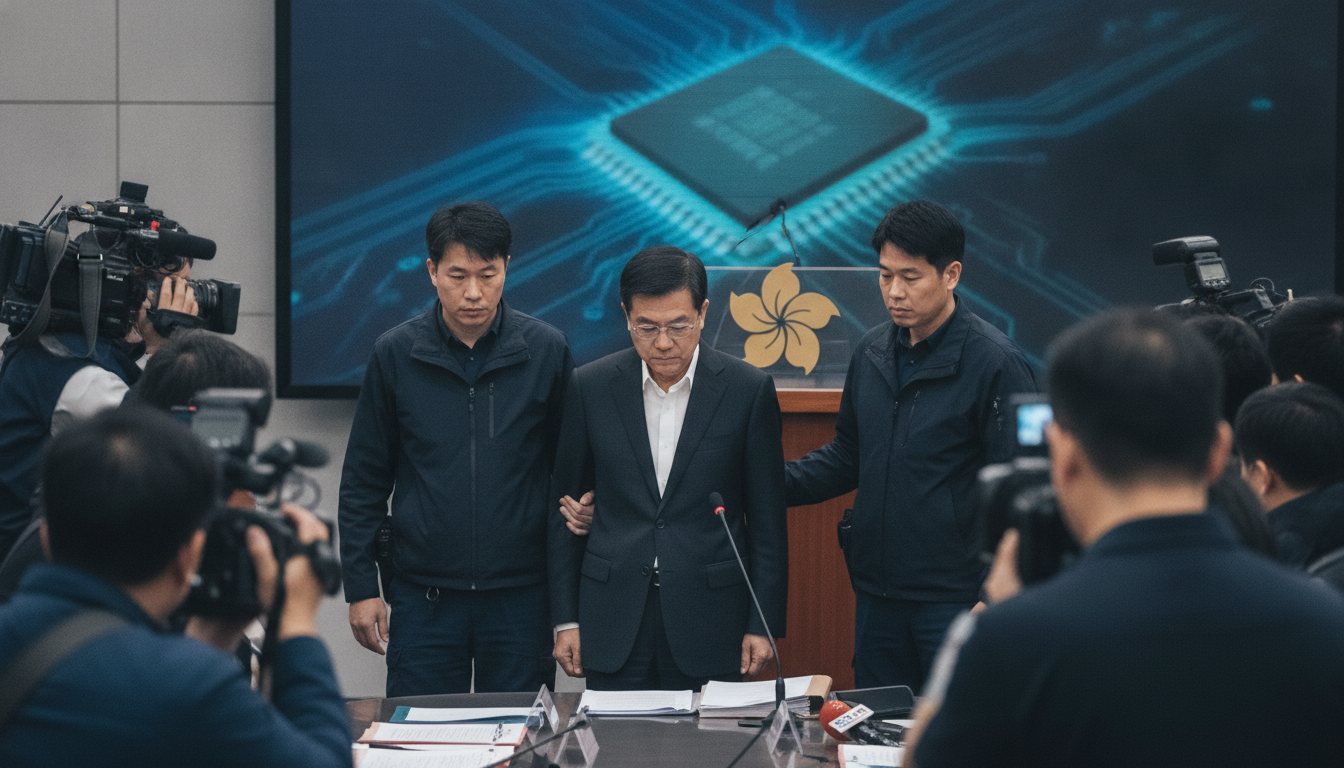
TSMC indictment: Ex-deputy manager charged under Taiwan’s National Security Act over alleged chip trade secret theft
Taiwanese prosecutors accused a former TSMC deputy manager of stealing sensitive chip technology to advance Chinese ambitions, in the first National Security Act indictment targeting semiconductor know‑how.
Summary of the indictment
Taiwanese prosecutors announced on Monday that they have indicted a former deputy manager of Taiwan Semiconductor Manufacturing Company (TSMC) on charges that include stealing trade secrets tied to national core technologies. The indictment alleges the individual copied and attempted to transfer highly sensitive technical documents with the intent of aiding semiconductor development in China. Prosecutors said TSMC recovered some of the materials allegedly copied without authorization, triggering the criminal investigation under national security legislation.
Details of the alleged misconduct
Authorities allege the employee used access to internal design and process documents to reproduce proprietary information outside company systems. Investigators contend that the materials involved key process nodes and confidential manufacturing techniques that underpin advanced chip production. The indictment frames the conduct as not merely a corporate theft but an action with potential national security consequences because the knowledge could accelerate capabilities abroad. Officials have described the act as an attempt to transfer strategic know‑how that supports a rival nation’s semiconductor ambitions.
Legal basis: Taiwan’s National Security Act
Prosecutors applied provisions of Taiwan’s National Security Act, marking what they described as the first use of that law in a case aimed at preventing technological gains for China’s chip industry. The statute allows for heightened scrutiny and penalties when acts are judged to imperil national defense or critical technologies. Legal analysts note the invocation of national security law raises the profile of the case well beyond an ordinary corporate espionage matter. The use of this legal framework signals the government’s intent to treat advanced semiconductor knowledge as an element of national strategic interest.
TSMC’s recovery and corporate response
Company sources confirmed that TSMC detected irregularities and took steps to retrieve the documents that were allegedly copied. Internal security teams and outside consultants were mobilized to conduct an audit of access logs and to assess the extent of any information leakage. TSMC also informed law enforcement, prompting prosecutors to open a criminal investigation. The firm has been amplifying internal security measures and access controls amid rising global concerns about the protection of semiconductor intellectual property.
Implications for Taiwan‑China technology rivalry
The indictment underscores the centrality of semiconductor technology in Taiwan’s geopolitical and economic calculations. Taiwan houses leading-edge chip manufacturers whose process knowledge is widely regarded as critical to global supply chains and national defense systems. Prosecutors and security experts warn that unauthorized transfers of such knowledge could shorten the time needed for other countries to develop competing chip-making capabilities. Observers say the case may prompt tighter controls, closer cooperation between industry and government, and more aggressive measures to safeguard intellectual property.
Potential legal outcomes and penalties
If convicted under the National Security Act and related statutes, the accused could face substantial criminal penalties, which may include lengthy prison terms and heavy fines. The application of national security provisions could also complicate evidentiary and adjudicative processes, with possible restrictions on disclosure of classified or commercially sensitive material during trial. Defense lawyers in similar cases typically contest the scope of what constitutes protected national core technologies and argue over intent and the defendant’s state of mind. The legal proceedings are expected to be closely watched by multinational firms and security policymakers.
Industry reaction and international consequences
The case has reverberated through the semiconductor industry, where companies increasingly recognize the need to strengthen safeguards around personnel, data access, and cross‑border collaborations. Suppliers, customers, and partner governments are likely to reassess risk management and compliance standards in response to the indictment. Analysts say the prosecution could deter future attempts to illicitly procure advanced manufacturing know‑how, while also prompting debates over how to balance openness in research and supply‑chain resilience. International stakeholders will be attentive to how Taiwan’s courts interpret national security thresholds in technology cases.
The indictment of a former TSMC deputy manager under Taiwan’s National Security Act highlights both the commercial value and strategic sensitivity of semiconductor expertise, and it is likely to shape corporate practices and government policy on protecting critical technological assets.

