
U.S. arms sales to Taiwan put “on pause,” acting Navy secretary tells Congress
Acting U.S. Navy secretary said U.S. arms sales to Taiwan are “on pause” amid the Iran war, raising fresh doubts about the timing and approval of the next Taipei package among allies.
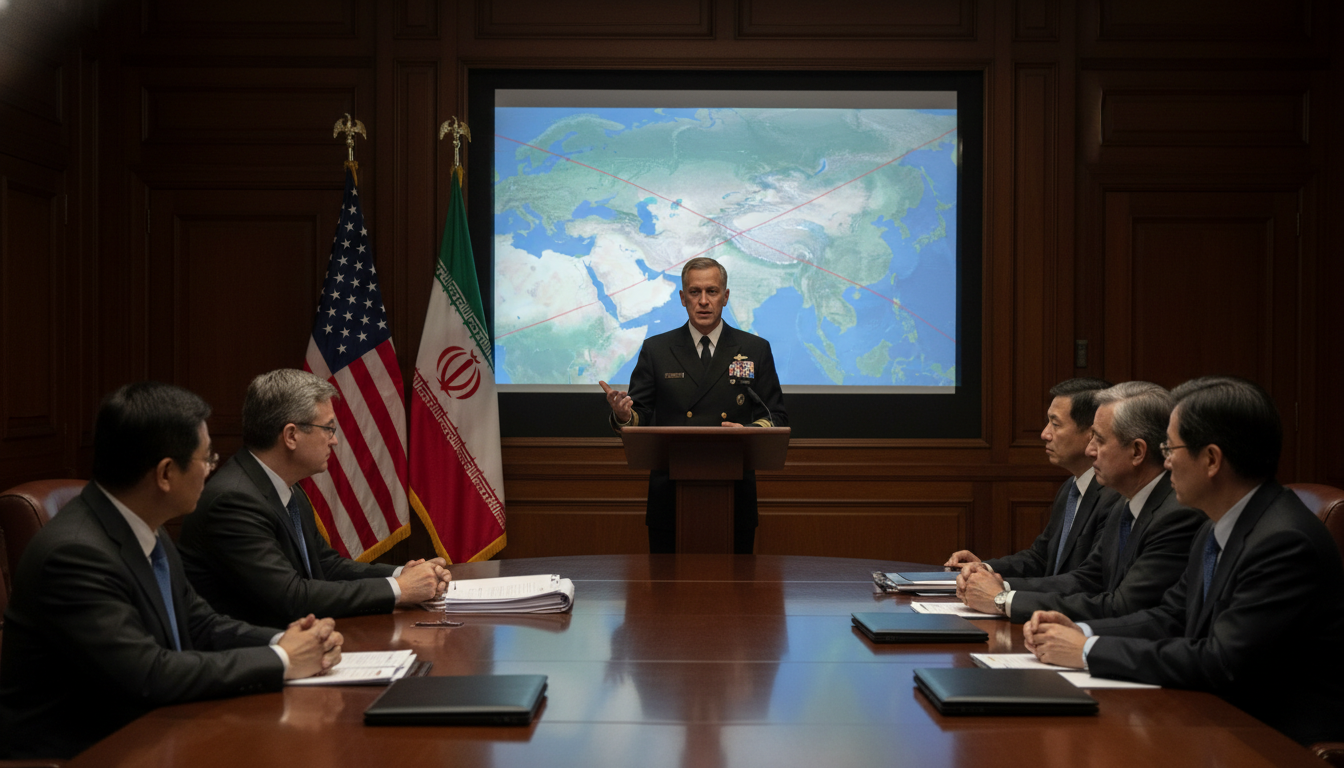
TOKYO/TAIPEI — The acting secretary of the U.S. Navy told a congressional hearing on May 22, 2026, that U.S. arms sales to Taiwan are “on pause” because of the war in Iran, a statement that immediately unsettled lawmakers and Taipei officials. The comment revived questions about when and how Washington will approve the next arms package for Taiwan and whether resources are being diverted to the Middle East. The brief testimony prompted requests for clarification from Capitol Hill and concern among regional partners who view arms transfers as central to deterrence.
Details of the congressional testimony
The acting Navy official used the term “pause” when describing the current status of deliveries and approvals tied to Taiwan, saying decisions were influenced by the United States’ broader security commitments amid the Iran conflict. Lawmakers pressed for specifics on which programs were affected and whether the pause was temporary or part of a wider reallocation of materiel and personnel. Officials in the hearing described the matter as under review by multiple departments, and promised follow-up briefings for Congress.
Impact on the next Taipei arms package
The remark has cast uncertainty over the timetable for the next Taipei arms package, which requires both executive administration determinations and congressional notification. Several members of Congress said they expected the executive branch to explain how the Iran war was affecting supply chains, production priorities and export licensing. Analysts say any delay could complicate Taiwan’s plans to modernize its forces at a time of heightened cross-strait tensions.
Reaction from lawmakers and oversight committees
Bipartisan concern quickly surfaced in hearings and committee offices, with some legislators urging a clear statement from the White House and the Defense Department. Oversight committees signaled they would seek documents and briefings to assess whether the pause followed established procedures under the Arms Export Control Act and related authorities. A number of lawmakers stressed that transparency was needed to reassure allies in the Indo-Pacific and to maintain congressional support for future transfers.
Taipei’s defense planning and recent exercises
Taiwan’s defence planners and military officials have been watching developments closely, saying they need predictable timelines for procurement and training. In July 2025, Taiwan showcased live-fire exercises that included U.S.-made M1A2T Abrams tanks, underscoring Taipei’s integration of American equipment into its defence posture. Taipei’s government has in recent months pursued a mix of foreign purchases and domestic production to shorten lead times, and officials will likely accelerate those efforts if U.S. deliveries face delays.
Regional security and alliance considerations
Regional capitals, including Tokyo, view stable U.S. arms sales as a key element of deterrence in East Asia and of the broader security architecture. Any perceived weakening of support could encourage strategic recalibrations by Beijing and unsettle partner planning across the Indo-Pacific. Defense analysts caution that public signalling about pauses needs to be managed carefully to avoid inadvertent escalation or miscalculation by other actors in the region.
Paths to resumption and likely timelines
Officials at the hearing indicated that resumption of transfers would depend on assessments of logistics, force posture requirements in the Middle East, and decisions by senior national security leaders. If the pause is primarily administrative, some items with existing production lines could be cleared more quickly than complex systems that require extended manufacture and training. However, if the Iran conflict spurs prolonged reallocation of assets, Taiwan’s procurement calendar could shift by months or longer, according to defence procurement specialists.
The announcement has already prompted calls in Washington for a formal, interagency update that would outline what is paused, why, and how the U.S. plans to mitigate impacts on partners. Taipei has sought reassurances through diplomatic channels while intensifying domestic measures to bolster readiness. For policymakers in Japan and other regional states, clarity from Washington will be important to shape contingency planning and alliance cooperation.
Looking ahead, Taipei and its supporters in Congress will watch for concrete steps from the White House and the Defense Department to define the scope of the pause and set expectations for resumption. Until those clarifications arrive, the comment by the acting Navy secretary adds a new element of uncertainty to defence planning across the Taiwan Strait and the wider Indo-Pacific.

