
UNDP Chief Alexander De Croo Declares “Development Aid Is the Past,” Urges Investment-Led Approach
UNDP head Alexander De Croo says development aid is outdated and calls for investment-led financing as the US, China and other donors turn inward sharply.
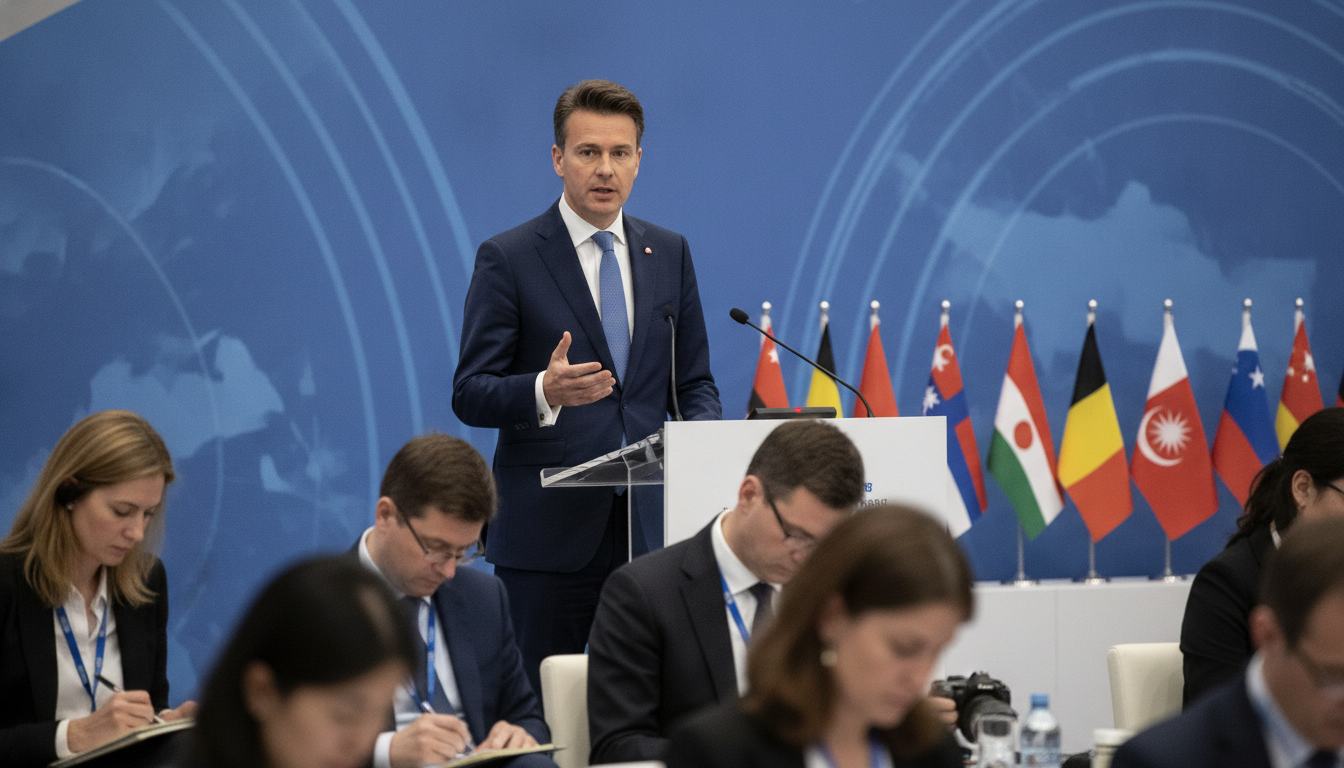
TOKYO — Alexander De Croo, administrator of the United Nations Development Programme and former Belgian prime minister, told a Tokyo audience that development aid as traditionally conceived is no longer the answer for emerging economies. He said recipient countries need capital and market-creating investment instead of charity, arguing that donors are also entitled to pursue national interests. De Croo’s remarks come as the United States and several other governments shift focus inward, and as China pursues its own international infrastructure agenda.
UNDP Head Declares "Aid Is the Past"
Alexander De Croo used blunt language to summarise what he described as a transformation in how global development should be understood, saying “aid is the past” and that conventional grants cannot meet the scale of need. He framed the UNDP’s mission in the context of mobilising resources and unlocking private capital rather than administering traditional bilateral aid programmes. The comment underscores a strategic repositioning at the UN agency toward financing models that aim to create markets and sustainable demand in low- and middle-income countries.
Capital Over Charity: A Shift in Framing
De Croo emphasised that emerging economies require investment that catalyses growth rather than one-way transfers that can foster dependency, advocating for blended finance, risk-sharing and policy reforms to attract capital. He suggested development finance should be treated as an investment vehicle that builds purchasing power and long-term markets for goods and services. This framing implies a greater role for private sector actors and multilateral development banks, and for UNDP to broker partnerships that align donor resources with market-oriented projects.
Donor Nations Reassert National Interests
Speaking in Tokyo, De Croo acknowledged that countries providing resources are entitled to pursue their own strategic priorities, a reality that is reshaping the aid landscape. He noted that donor governments, including the United States, are increasingly attentive to domestic political pressures and strategic competition, which affects the volume and nature of overseas funding. That reorientation toward national interest means development diplomacy must adapt to fragmented funding streams and a more transactional environment for international cooperation.
China’s Belt and Road Recognised as a National Strategy
De Croo singled out China’s Belt and Road Initiative as an example of a donor country pursuing an infrastructure-led approach aligned with its national strategy, and he argued that such actions are part of the evolving international financing architecture. Rather than condemning Beijing’s approach outright, he portrayed it as another expression of countries advancing their interests through development activity. The comment reflects a pragmatic acceptance that major powers will combine strategic, economic and diplomatic aims in their overseas engagements, which complicates but does not obviate multilateral coordination.
Implications for Global Development Finance
If development aid is reframed as investment, the implications are wide-ranging: treaty and regulatory reforms to reduce investment risk, new instruments to mobilise private capital, and greater emphasis on project viability and market integration. UNDP’s role may shift toward de-risking, technical advisory services, and convening financial intermediaries, while traditional grantmaking could become more targeted to safety nets and fragile contexts. The transition raises questions about equity, accountability and how to ensure that commercial returns do not eclipse poverty reduction and environmental goals.
The UNDP leader’s remarks in Tokyo signal a potential turning point in international development policy, emphasising the need to blend public and private resources to meet global challenges. Governments and multilateral institutions will face the task of reconciling national interests with collective commitments to reduce poverty, adapt to climate change, and finance sustainable infrastructure. How donor countries, development banks, private investors and the UN system respond to that challenge will shape the future of development finance and the opportunities available to emerging economies.

