
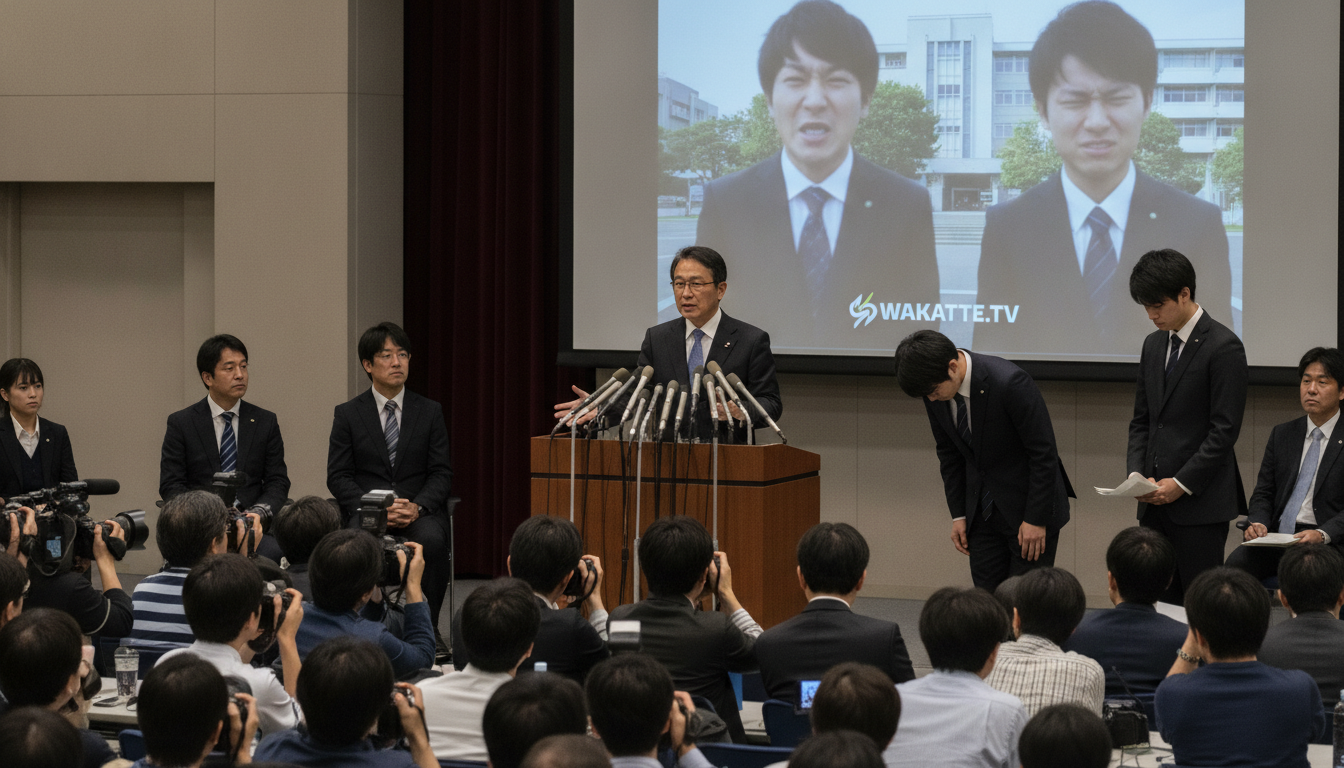
Fukushima University condemns YouTuber’s mocking video as channel issues apology
Wakatte.TV’s video mocking Fukushima University and its radiation research drew backlash; the university issued a Sept. 1 statement and the channel apologized.
Fukushima University on September 1 issued a formal statement after a popular YouTube channel, Wakatte.TV, posted a video that ridiculed the campus and its students. The channel’s content, which targeted the university’s academic standing and referenced its radiation-related research, sparked a wave of criticism online and from university officials. Wakatte.TV later posted an apology and removed the portions identified as problematic.
University issues formal statement
Fukushima University’s president, Koji Sano, posted a notice on the university website on September 1 expressing concern over remarks in the video that could be seen as lacking consideration for students and the institution’s research activities. The statement stressed that students and faculty must not have their dignity undermined and that the university’s educational and research work deserves respect. The notice framed the remarks as potentially damaging to the trust and recovery-related knowledge the university has helped build.
Contents of the Wakatte.TV video under fire
The roughly 16-minute video, titled to suggest that Fukushima University is the “lowest ranked national university,” featured two performers who interview students and make jokes about academic credentials. One recurring gag in the video involved sharp commentary on students’ test scores and, in a particularly criticized moment, a line dismissing the university’s engagement with radiation studies. That remark — suggesting the channel did not want the university “touching” matters of radiation or nuclear energy — was widely interpreted as mocking research tied to the 2011 Fukushima Daiichi nuclear accident.
YouTuber apologizes and edits video
Following social media backlash and reports of temporary suspension of the video’s distribution, Wakatte.TV added a disclaimer caption denying any intent to belittle the victims of the 2011 disaster or the university’s work. On the evening of September 1 the channel posted a comment in the video’s comment section, attributed to “performers and staff,” acknowledging a lack of consideration and removing the specific segments that had provoked criticism. The channel’s statement expressed regret for causing hurt and said it had edited the video accordingly.
Fukushima University’s research and post-2011 role
Fukushima University expanded its focus in the years after the 2004 reorganization of national universities, adding science and engineering programs alongside social sciences and humanities. In the wake of the 2011 nuclear accident, the university increased research into environmental radioactivity and agricultural recovery, establishing specialized units and programs aimed at monitoring contamination and supporting local food production. Officials emphasize that these efforts are part of a wider recovery mission and involve ongoing work by students and faculty in both laboratory and field settings.
President Sano’s response and policy remarks
In interviews following the statement, President Sano said he found the video inappropriate and that it had caused discomfort among the university community. He described a particular sense of grievance that reconstruction knowledge developed by faculty, students and local partners had been made light of. At the same time, Sano indicated the university did not plan to pursue direct protest or contact with the channel, framing the response instead as a formal public statement to defend the university’s dignity.
Public reaction and debate over comedy boundaries
Social media users and commentators were sharply divided, with many criticizing the video for ridiculing students and trivializing research connected to a major disaster. Critics argued online that framing academic standing and entrance-exam scores as comedic targets perpetuates harmful attitudes and distracts from the substantive work universities do. Some viewers reported the content was briefly pulled from distribution before the channel restored an edited version with a caption and later removed the offending clip altogether.
The episode has also prompted wider discussion in education circles about whether comedy that targets students’ academic backgrounds crosses ethical lines. Educators quoted by university officials stress that entrance scores are an imperfect measure of ability and character, and that academic growth frequently continues well after matriculation.
The controversy over the Wakatte.TV video has highlighted tensions between online entertainment formats that trade on provocation and the responsibilities of content creators when addressing communities affected by disasters. Fukushima University’s statement, the channel’s apology and the edits to the video mark the immediate developments, while the episode may prompt further reflection about how universities, media and audiences navigate satire, respect and the legacy of the 2011 accident.

