
Cheap Eats, Big City: Where to Find 100‑Yen Foods in Tokyo
Discover where to buy 100‑yen foods in Tokyo, from retro dagashi shops in Ueno to budget bistros in Shibuya, and learn practical tips for eating on a coin across the city.
Tokyo’s long-running love affair with affordable snacks has a new practical guide for residents and visitors searching for genuine 100‑yen foods in Tokyo. The guide maps out specialty stalls, small supermarkets and a handful of big retailers where single items still sell for ¥100 or less, while also flagging common limitations such as seating charges and card acceptance. For anyone trying to stretch a tight food budget without sacrificing local flavour, these pockets of cheap eats offer a quick, authentic snapshot of Tokyo’s street‑level culinary economy.
Back‑of‑the‑shop dagashi in Ueno still cost a coin
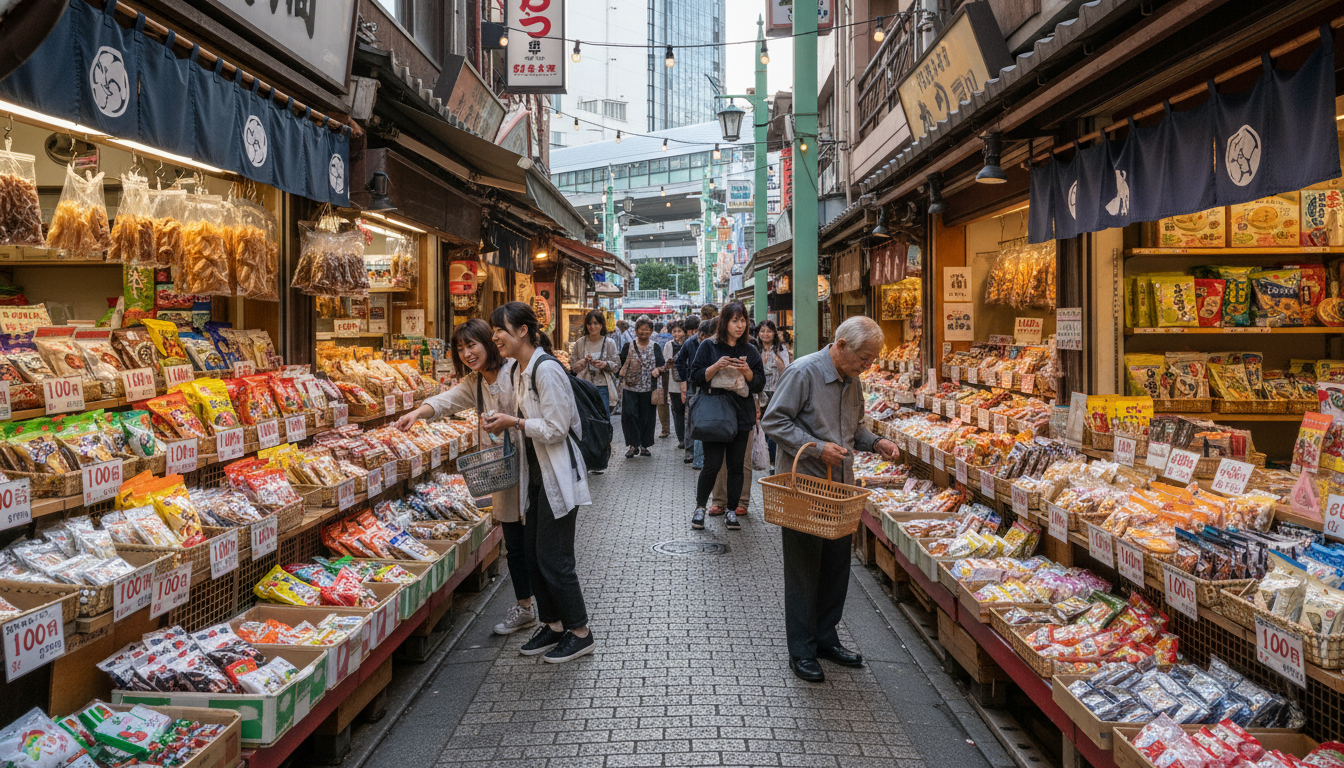
Niki no Kashi in Ueno remains one of the most reliable places to find retro dagashi — the old‑school, individually wrapped snacks that generations of Japanese grew up with. The shop’s front rows carry assorted packaged goods, but the true value lies at the back of the ground floor, where items priced from as little as ¥15 sit beside more typical ¥100 offerings. Popular picks there include umaibo (a cylindrical corn puff) and small fish snacks like kabayaki pieces, both inexpensive, portable and familiar to many Tokyoite snackers.
Shoppers should expect a mixed array of prices in small confectionery shops: many items exceed ¥100, but a selection of singles and mini portions fall within the one‑coin range. These stores are particularly suited to people who want to sample a variety of small bites across a day without committing to a full meal, and they also make good pit stops for parents buying treats for children or for collectors of retro packaging.
Sugamo’s neighbourhood stalls: traditional snacks and cheap practical meals
Sugamo — a neighbourhood known for its local shopping streets — hosts several vendors where classic Japanese snacks and small dishes can be had for around ¥100. Iseya, a compact confectionery stall near Sugamo Station, sells a rotating selection of manjū, mochi and fried items; among these were freshly made inari pockets and pickle maki rolls that were priced at ¥100 apiece. For travellers seeking freshness over supermarket convenience, paying a coin for a hand‑made rice pouch can be worthwhile.
Oshiage Senbei Minamide Shoten specializes in larger handmade senbei rice crackers that often sell for roughly ¥100 per single cracker. These items tend to be substantial in taste but modest in portion, and they are recommended as a crunchy snack to carry on the move rather than a meal replacement. Nearby Tsuruya offers affordable side‑items such as miso soup and korokke croquettes for about ¥100 each, adding accessible warm options to the area’s predominantly snack‑based offerings.
Supermarket hacks and IKEA’s ¥100 menu options
For budget‑minded shoppers, supermarkets still represent the most efficient way to stretch small amounts of cash. Comodi IIDA in Nishi‑Sugamo demonstrates how supermarket staples and discounted bakery items can sometimes be found for ¥70–¥100. While supermarkets rarely sell a fresh onigiri for exactly ¥100 anymore, they do offer low‑cost pantry and snack staples — including natto and packaged bread — that allow a budget of ¥100 to cover a tangible, if modest, portion of food.
Large retailers such as IKEA remain an unlikely but dependable source of ¥100 menu items. The Shibuya IKEA bistro continues to sell its iconic hot dog for ¥100 and offers other ¥100 options like cinnamon rolls and selected plant‑based snacks. The bistro layout usually allows customers to enter directly from the store’s rear entrance and pick up a quick standing‑room snack, which is helpful for visitors avoiding long shopping routes while seeking cheap, instantly edible items.
What to expect from izakaya, 100‑yen shops and local grocers
Not all ¥100 claims are equal: some establishments that promote coin‑priced menu items attach compulsory fees that change the economics of a cheap meal. Hanbey, a Showa‑style izakaya, advertises numerous items priced around ¥90–¥100, but a ¥500 seating charge and the requirement to purchase a drink mean the total expense rises above the single‑coin threshold. Regulars and first‑time visitors alike should check house rules and seating fees before assuming a ¥100 menu item will make the outing inexpensive overall.
Chain 100‑yen shops such as Daiso, Lawson 100, Can Do and Seria are the clearest places to find snacks and non‑perishables priced at ¥100. These stores stock cup noodles, jellies, sauces and packaged sweets that reliably sit at the one‑coin mark, though fresh food remains limited. Local grocers can occasionally yield bargains — cheap vegetables like packets of moyashi (beansprouts) for roughly ¥30 are common — but fruit prices are typically above ¥100 per piece, with bananas and other produce often priced higher.
Practical tips for finding genuine ¥100 food in Tokyo
Cash remains a useful commodity for buying single‑coin items at small stalls and specialty shops, many of which do not accept cards or mobile payments. Carrying a mix of coins and small bills will smooth transactions and avoid the disappointment of selecting a snack only to discover the vendor cannot process cards. Buyers should also note opening hours; most of the small shops referenced open from mid‑morning and close in the early evening, while supermarket and large retailer hours tend to be longer.
A sensible approach is to plan a route that clusters several inexpensive vendors to get variety for the same budget. Mixing supermarket buys with one or two specialty purchases — for example, a couple of dagashi from a retro shop, a hand‑made senbei, and a supermarket bread item — can maximize satiety and culinary interest for the money spent. For those seeking a sit‑down experience on a budget, checking for seating charges and mandatory drink orders in advance is essential to avoid unexpected costs.
Assessing value: how far does one coin go in Tokyo today
A single ¥100 coin buys one true snack or small portion at many of the places highlighted, but it rarely covers a full lunch. The practical reality demonstrated by recent shopping runs in Tokyo shows that collecting a selection of small items requires multiple coins; an illustrative example gathered 23 items for about ¥1,780, excluding service charges and taxes. Street food stalls frequently offer slightly larger portions for ¥120–¥150, which still represents good value compared with full restaurant prices and may be preferable when hunger is a concern.
For visitors intent on eating cheaply while sampling local specialties, a target budget of around ¥1,000 will yield a modest full meal from dedicated budget eateries or a combination of supermarket buys and street food. Travelers should set expectations accordingly: ¥100 items are excellent for tasting, snacking and nostalgia, but they are seldom a substitute for a proper sit‑down meal unless pooled together in larger numbers.
Tokyo’s inexpensive snack scene combines long‑standing traditions with modern retail strategies, leaving room for both discovery and caution. The best bargains require planning, a willingness to sample small portions, and the practicalities of carrying cash and checking shop rules. For those who relish variety over volume, hunting down genuine 100‑yen foods in Tokyo remains a rewarding urban pastime that offers an immediate, affordable connection to the city’s everyday culinary culture.
If you plan to follow this guide, consider starting in Ueno and Sugamo to sample a cross‑section of dagashi, senbei and freshly prepared small eats, then use supermarkets and larger retailers like IKEA to round out your budget finds. Keep modest expectations about portion size, but bring curiosity — the value of these ¥100 discoveries is often as much cultural as it is culinary.

