
LDP Conditions Support for Trade Talks to Expand Japanese Farm Exports to Mercosur
LDP conditions support for Mercosur trade talks on expanding Japanese farm exports, aiming to secure market access for wagyu and other agricultural products.
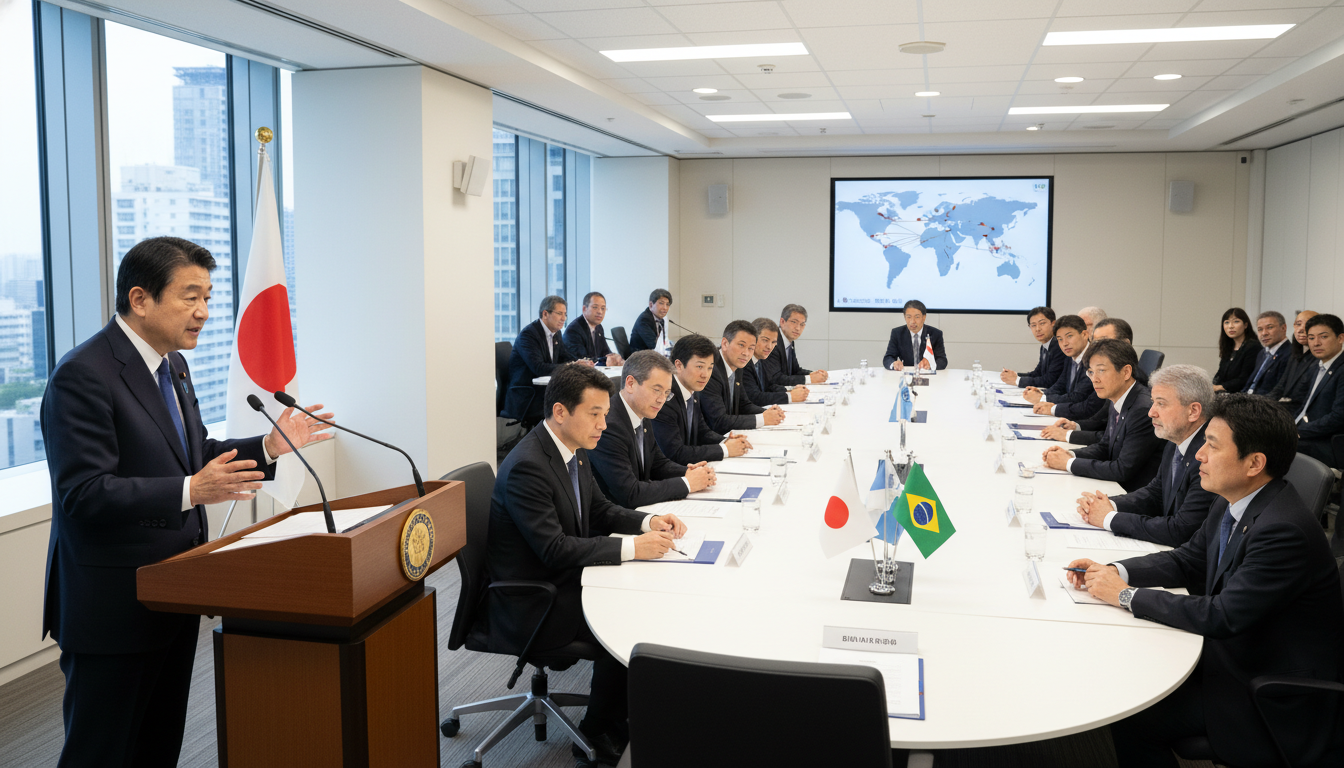
Japan’s ruling Liberal Democratic Party has agreed to back formal trade negotiations with the South American economic bloc Mercosur provided the government prioritizes an outcome that expands Japanese farm exports to Mercosur markets. The party’s stance ties its political support to concrete commitments from the government to pursue market openings that benefit Japanese agricultural producers. The announcement signals a coordinated push from Tokyo to link diplomatic and economic engagement with tangible export gains for farms and food processors.
LDP Conditions and Political Leverage
The LDP framed its endorsement as conditional political leverage to ensure agricultural interests are protected during talks. Party leaders told the government that support for initiating or deepening negotiations would hinge on demonstrable efforts to secure export provisions for key farm sectors. That approach reflects the LDP’s continuing role as a key arbiter of trade policy in Japan and its sensitivity to constituencies in farming regions.
The party’s position reduces the risk of unconditional negotiation mandates and forces the executive branch to present a negotiation strategy that lists export priorities. It also creates a formal checkpoint in which agricultural ministries and trade negotiators must show how proposed concessions or market access measures will benefit Japanese producers. The move is likely to shape mandate language and the scope of any negotiating instructions issued by cabinet agencies.
Scope of Talks with the Mercosur Bloc
Mercosur, which includes Argentina, Brazil, Paraguay and Uruguay as full members, is a major agricultural exporter with large domestic farming constituencies. Tokyo’s push for expanded Japanese farm exports to Mercosur would require discussions across tariffs, quotas, sanitary and phytosanitary standards, and rules of origin. Negotiators will also need to consider non-tariff measures and regulatory alignment on food safety to enable smoother trade flows.
Beyond agricultural products, potential discussions could touch on investment, services and supply-chain cooperation, but the LDP’s condition makes agricultural market access a central bargaining chip. Technical working groups, market access studies and phased liberalization options are likely to appear on agendas during initial rounds to reconcile divergent domestic sensitivities on both sides.
Opportunities for Wagyu and High-Value Products
Japanese producers see Mercosur markets as a potential outlet for premium food items such as wagyu beef, processed seafood, fruit varieties and high-value dairy products. Japan’s output of top-grade wagyu has risen substantially over the past decade, creating exportable surpluses and new opportunities for branded marketing abroad. Expanding access to South American markets could diversify export destinations and support Japan’s broader agricultural export strategy.
Exporters argue that Japanese agricultural goods, positioned as premium and safety-assured items, can find niches among middle- and upper-income consumers in Mercosur countries. Increasing bilateral trade in agricultural goods could also foster culinary and cultural exchange that strengthens longer-term demand for Japanese brands and specialty items. However, turning potential into tangible sales will require tariff reductions and confidence-building measures on food standards.
Negotiation Challenges and Market Access Barriers
Despite prospects, significant hurdles remain. Mercosur members maintain robust, politically influential farm sectors that have historically resisted broad market openings, especially in sensitive areas like beef, soy and cereals. Japan will need to demonstrate meaningful concessions in areas of interest to Mercosur partners while safeguarding its own producers from disruptive competition.
Sanitary and phytosanitary rules, certification systems and logistical barriers could slow the pace of market entry even if tariffs are reduced. Differences in production standards and labeling, as well as longstanding concerns about geographic indications and food safety, will require technical cooperation and phased implementation. Negotiators on both sides must balance commercial aims with domestic political realities to reach sustainable arrangements.
Government Response and Next Steps
The Japanese government has signaled readiness to enter talks but faces the task of translating the LDP’s conditional support into a clear negotiation mandate. Relevant ministries will likely undertake market studies, stakeholder consultations and preparatory technical exchanges with Mercosur counterparts. Cabinet deliberations and inter-ministerial coordination are expected to outline priorities and potential timelines for the initial negotiating rounds.
Officials will also need to engage domestic farming associations, exporters and consumer groups to build consensus around acceptable tradeoffs. The LDP’s demand that export expansion be a central negotiating objective increases pressure on negotiators to present an actionable plan detailing which products and market-entry mechanisms will be pursued. How quickly formal talks begin will depend on these preparatory steps and on reciprocation from Mercosur governments.
Industry and Agricultural Group Reactions
Responses from industry and farm groups are likely to vary, with exporters and food processors expressing cautious optimism and some farmer organizations urging protections. Export-oriented businesses see an opening for premium Japanese goods, while domestic producer groups are expected to press for safeguards, transition periods and compensation mechanisms where needed. Trade associations and chambers of commerce will play a role in articulating commercial priorities and facilitating private-sector input into government strategy.
Observers say government outreach and transparent negotiation roadmaps will be critical to managing expectations and minimizing domestic backlash. If Tokyo and Mercosur can design phased arrangements and technical cooperation that address the most sensitive issues, the talks could yield incremental gains that expand Japanese farm exports without causing abrupt dislocations.
The LDP’s conditional stance marks a consequential step in Tokyo’s trade policy, elevating agricultural export access to the top of the agenda as formal engagement with Mercosur moves forward.

