
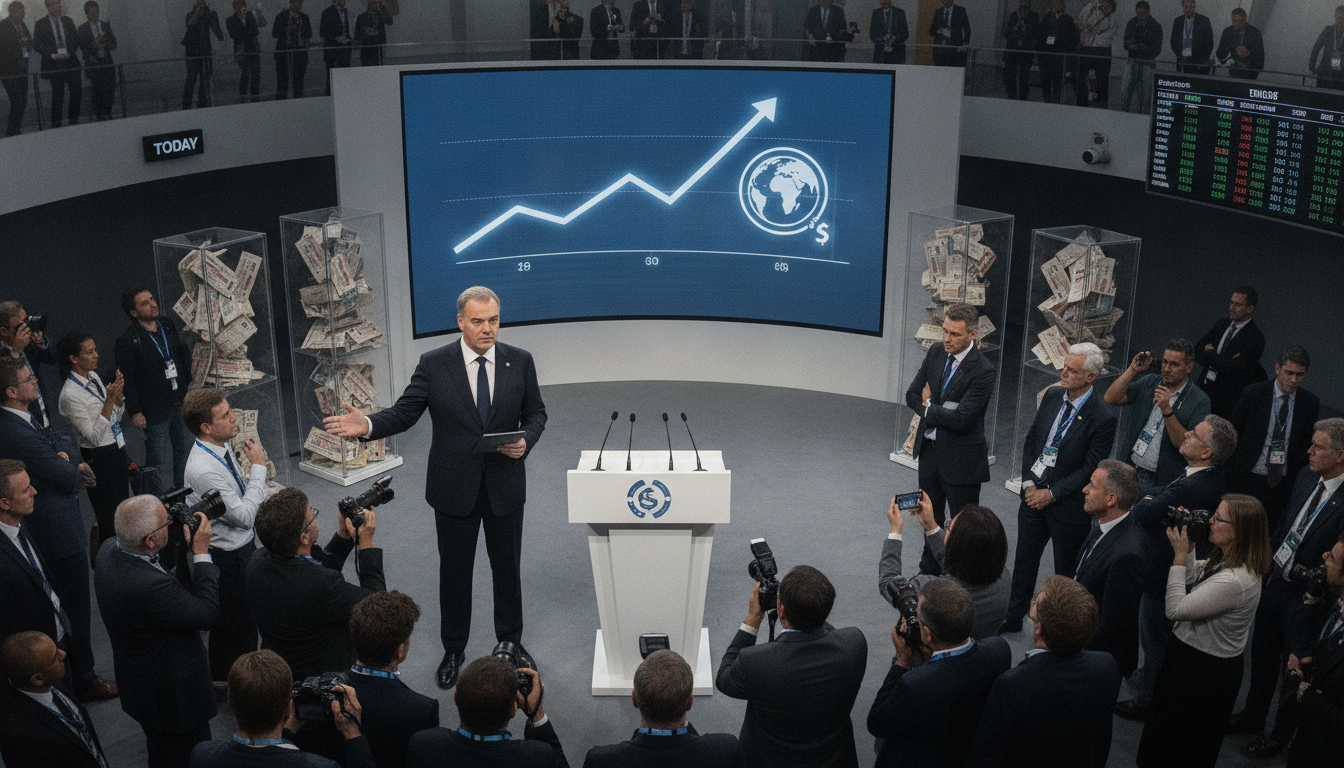
World Cup ticket prices surge as FIFA’s dynamic pricing and resale fuel unprecedented cost rise
World Cup ticket prices are soaring ahead of the 2026 tournament across the United States, Canada and Mexico as FIFA introduces dynamic pricing and permits open resale, forcing many fans to delay purchases amid sharp cost increases and regulatory scrutiny.
FIFA introduces dynamic pricing and open resale
FIFA has for the first time adopted dynamic pricing for World Cup tickets, a system that lets prices shift with demand in real time. The governing body has also allowed purchasers to set resale prices freely on its official platform, enabling secondary-market price discovery inside FIFA’s ecosystem. Those policy shifts are intended to capture higher market value, but they have also driven a level of volatility unfamiliar to many long-time attendees.
Record listings at U.S. venues and examples of escalation
Listings on official resale channels show dramatic spreads between minimum and maximum offers for the same matches. For example, a group-stage game in Dallas featuring Japan’s first match against the Netherlands had a lowest listed resale price of $575 and a top listing exceeding $115,000. Tickets for the July 19 final have appeared with minimum resale listings above $7,600. These figures underscore how far market prices can deviate from face value under the new rules.
Fees and where the money goes
Resale transactions on FIFA’s platform carry fees that are deducted from both buyers and sellers, with approximately 15 percent routed back to FIFA. That fee structure means the organisation captures revenue on secondary trades as well as primary sales. For many observers, the combination of platform control and fee capture raises questions about who ultimately benefits from higher market prices.
Fans and travel planners change strategies
Some spectators planning to attend matches in person have adjusted their purchasing behavior in response. Sugaya, a 35-year-old member of Japanese comedy duo Kakaroni who intends to travel to the tournament, said he will postpone buying tickets until the last possible moment. He and other fans are betting that some stadiums will not sell out and that prices may fall closer to match dates, a tactic shaped by experience at previous tournaments.
Fans’ decisions are also being shaped by rising travel costs. The weak yen has increased the local-currency cost of flights, hotels and other trip essentials for Japanese travelers, intensifying pressure to find savings on ticket purchases. For many, delaying ticket outlays is part of a broader effort to control an overall trip budget that already looks markedly higher than in past cycles.
Economic ripple effects beyond ticket booths
The squeeze on World Cup ticket buyers is intersecting with broader travel-market dynamics. Airlines and hotels serving major host cities report higher demand for the tournament period, and transport systems that will carry fans between venues are under strain from elevated bookings. While exact fare and lodging trajectories vary by route and market, the combined effect is an increase in the total cost of attending matches that goes well beyond face-value ticket prices.
Regulatory attention and investigations
The reshaped ticket market has drawn the attention of U.S. authorities and state regulators, who have opened inquiries into aspects of FIFA’s ticketing and sales practices. Officials in jurisdictions including New York state have signalled interest in whether consumers were misled or disadvantaged by sales mechanisms and disclosures. Those probes add political and legal pressure to an already contentious debate over pricing and platform control.
Fans, consumer advocates and some lawmakers argue that greater transparency and safeguards are needed to prevent exploitative surges, while others note that dynamic pricing is common across U.S. sports markets and can reflect legitimate market demand. The unfolding investigations are likely to focus on disclosure practices, fee transparency and whether resale systems were structured in ways that facilitated price gouging.
Public reaction and the shape of the market as the tournament approaches will test whether last-minute price corrections occur for the most sought-after matches. Organisers and platform operators will be watching inventory and buyer behavior closely, balancing revenue objectives against reputational risk and mounting scrutiny.
The coming weeks will show whether the combination of dynamic pricing, open resale and elevated travel costs results in sustained, systemic inflation of World Cup ticket prices or whether market forces and regulatory pressure temper the most extreme listings. Fans weighing the decision to buy now or wait will confront the twin uncertainties of price movement and venue demand as the 2026 tournament draws near.

