
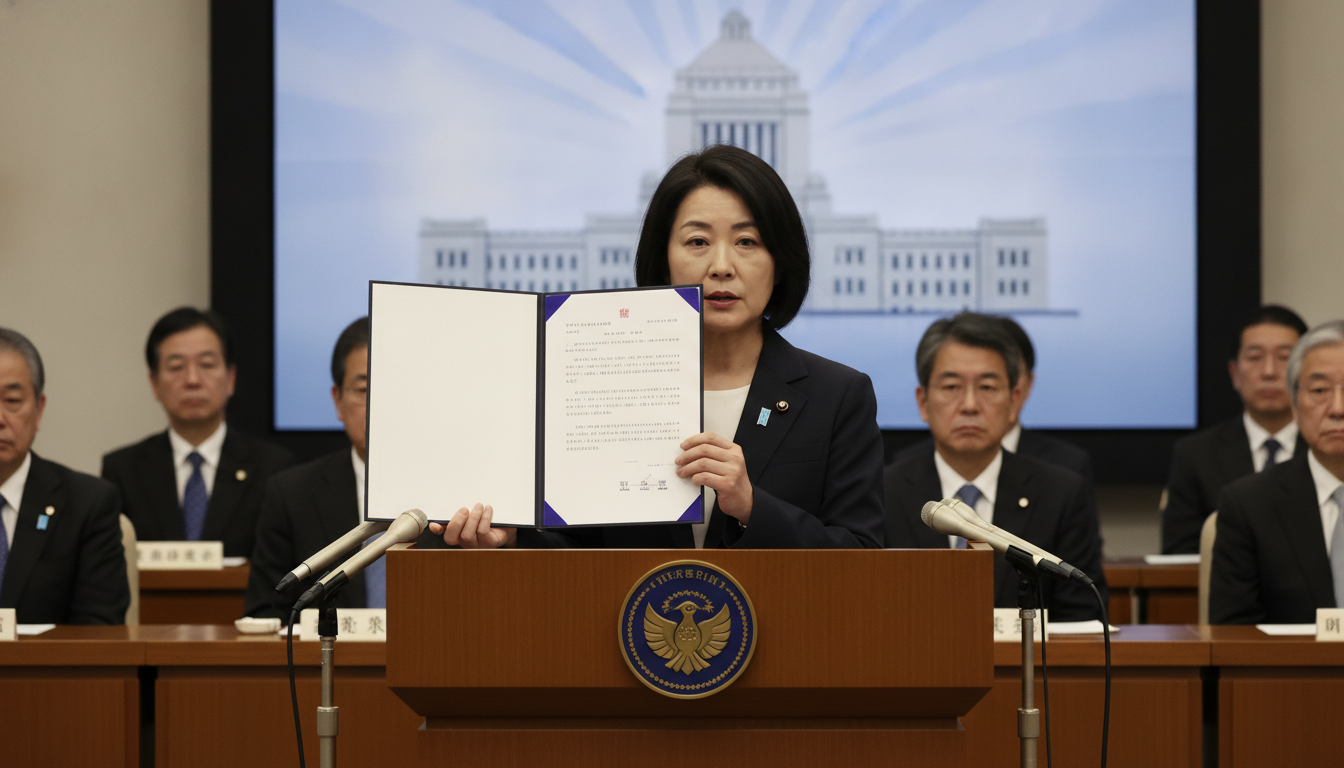
Takaichi Submits Secretary’s Statement Amid Inquiry into Defamatory Video Allegations
Prime Minister Sanae Takaichi on July 22 submitted a written statement from her official secretary to the House of Representatives budget committee’s executive meeting, addressing reports that the secretary was linked to the posting of defamatory videos on social media. The move aims to clarify whether the secretary had any role in videos that allegedly smeared other candidates during last autumn’s Liberal Democratic Party leadership contest and the subsequent general election. The statement confirms the secretary attended a brief online meeting with a man who is reported to have created the videos, while firmly denying involvement in producing or requesting defamatory content.
Submission to the Budget Committee
The prime minister delivered the secretary’s written account directly to the Diet panel’s executive meeting on July 22, signaling an effort to put official testimony on the record. The deposition was provided amid intensified media scrutiny and parliamentary questions about the origins and dissemination of the contested social media material. Lawmakers on both sides of the aisle have indicated they will review the statement as part of ongoing inquiries into campaign conduct and online political operations.
Secretary Acknowledges Short Online Meeting
In the written statement, the secretary acknowledged that she may have joined a short online meeting with the man alleged to have produced the videos prior to the LDP leadership race last autumn. The secretary said the meeting was brief and that she did not retain specific details of the exchanges, indicating a limited recollection of the interaction. The account frames the contact as a narrow encounter rather than an extended collaboration or coordination on campaign messaging.
Clear Denial of Creating or Requesting Videos
While confirming the possibility of the online meeting, the secretary emphatically denied commissioning, creating or asking others to produce material intended to defame fellow candidates. The statement reads that she did not, from her side, request videos that would slander or disparage other leadership contenders. That categorical denial is a central element of the submission and is presented as the secretary’s direct response to the media allegations.
Participants Linked to SNS Strategy Experience
The secretary noted that some attendees of the online meeting were described as having prior experience in social media strategy for well-known politicians, which may have prompted exchanges about the leadership contest’s dynamics. She indicated she likely participated to exchange views on the state of the race rather than to solicit any specific content production. The statement also says that nothing of particular strategic value emerged from the meeting, suggesting limited substantive impact from that discussion.
Implications for Campaign Oversight
The disclosure heightens questions about how political campaigns in Japan engage with third-party online operators and the boundaries of official involvement. Observers say the case underscores challenges in tracing the origin of viral or targeted social media pieces and distinguishing between informal political discussion and organized influence operations. The submission of the secretary’s statement is likely to become part of a broader review of campaign communication practices ahead of future contests.
Parliamentary and Public Reaction Expected
Opposition lawmakers have pressed for further clarification and have indicated they will press the administration for additional documents and testimony if necessary. The ruling party faces internal pressure to demonstrate transparency and to address perceptions of impropriety, while the public debate has sharpened around the use of anonymous or outsourced online content in political contests. How the Diet handles follow-up hearings and whether more witnesses are summoned will shape the next phase of scrutiny.
Prime Minister Takaichi’s move to place the secretary’s written account before the budget committee comes as political sensitivities around digital campaigning intensify, and as lawmakers and media continue to monitor social media’s role in electoral disputes. The written statement, which accepts a limited contact but denies culpability for producing defamatory material, will be weighed against other evidence and reports as investigators and legislators determine whether further action is warranted.

