
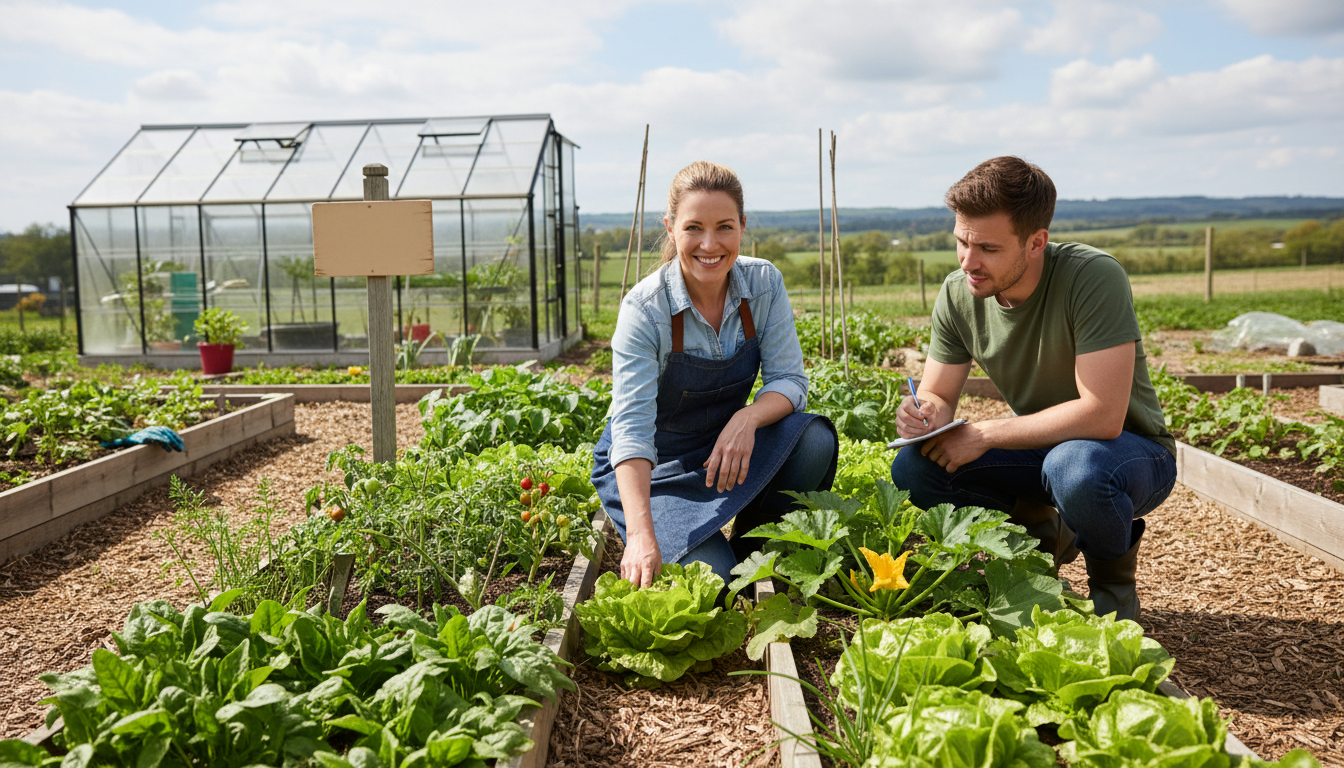
How to Start a Vegetable Garden: Six Easy Crops to Grow for Fresh, Healthy Produce
Start a vegetable garden this season with six easy crops: bell peppers, carrots, cucumbers, green beans, spinach and tomatoes. Practical planting and care tips.
Aiming a small victory for health and flavour, gardeners are encouraged to mark May 19, 2026 — World Plant a Vegetable Garden Day — by planting simple, nutritious crops at home. A vegetable garden can be started in a backyard, a balcony or even a cluster of window boxes, and six beginner-friendly plants deliver quick rewards for new growers. This guide outlines planting windows, spacing, basic care and the nutritional benefits of each crop to help readers get started.
May 19 marks World Plant a Vegetable Garden Day
Planting on or around May 19 gives gardeners in many temperate zones a reliable spring window to establish seedlings or direct-sow seeds. The timing aligns with warmer soil and more consistent daytime temperatures, which reduce transplant shock and support faster growth. For readers in cooler microclimates, wait until the last frost date has passed for your area before moving tender seedlings outdoors.
Starting on an established awareness date helps gardeners plan soil preparation, seed orders and container purchases ahead of time. It also creates a simple deadline to test small plots and track early successes, which often encourages expansion of the vegetable garden in subsequent seasons.
Six beginner-friendly vegetables to plant
For new gardeners, six vegetables stand out for ease of cultivation and nutritional payoff: bell peppers, carrots, cucumbers, green beans, spinach and tomatoes. These crops tolerate common beginner mistakes, respond well to routine care, and produce harvests within a few months. They also cover a broad spectrum of vitamins, minerals and dietary fiber, making them excellent choices for household tables.
Selecting appropriate varieties for your space — compact or bush types for containers, determinate or indeterminate varieties for beds — increases the chance of success. Purchase seedlings from a reputable nursery to shorten the learning curve, or choose packaged seeds marked for beginners when sowing directly.
Bell peppers and tomatoes planting and care
Bell peppers prefer full sun, steady warmth and evenly moist soil; plant seedlings 15–20 centimetres apart to allow for airflow and fruit development. Expect peppers to mature in roughly 60 to 80 days depending on variety and local conditions, and harvest when fruit reach their target colour. Regular watering and a mulch layer help maintain soil moisture and reduce blossom drop.
Tomatoes require the sunniest spot available and at least 45–50 centimetres between plants for most varieties to limit disease pressure. Stake, cage or trellis tomatoes at planting to support growth and simplify harvest; most varieties produce ripe fruit in about 60 to 90 days. Pruning lower leaves and monitoring for pests will improve fruit quality and extend the productive season.
Carrots and spinach soil and nutrition
Carrots do best in deep, loose soil that allows roots to expand; thin seedlings to 7–8 centimetres to prevent crowding and produce uniformly sized roots. Depending on the cultivar, carrots are typically ready in 60 to 80 days and prefer consistent moisture to avoid splitting or woody texture. They are rich in beta-carotene and vitamins, and homegrown roots often taste sweeter than store-bought counterparts.
Spinach is a fast-return leafy green that tolerates partial shade and can be harvested as baby leaves in just 4 to 6 weeks or matured in 40 to 50 days. Space plants roughly 20 centimetres apart for a steady supply, and rotate planting to reduce disease build-up. Spinach provides folate, vitamin A and C, and concentrated leaf pigments that support eye health.
Cucumbers and green beans trellis and watering advice
Cucumbers flourish with plenty of sun and regular watering; set plants about 30 centimetres apart and consider a trellis to save space and improve air circulation. Vining varieties climb and yield a higher volume of straight, clean fruit when supported, while bush types work well in containers for smaller harvests. Cucumbers typically mature in about 50 to 65 days and prefer even moisture to avoid bitterness.
Green beans are a reliable, quick crop that can be grown as bush types or climbers; bush beans mature in roughly two months and require fewer supports, while pole beans will need vertical structures. Plant beans in a sunny location with well-drained soil and keep soil evenly moist during flowering and pod set. Beans are a good source of fiber and micronutrients and can be harvested over several weeks when picked regularly.
Small-space and container vegetable garden tips
Urban dwellers can establish a productive vegetable garden in pots, raised beds or window boxes using quality potting mix and slow-release fertiliser for steady nutrient supply. Containers heat and dry more quickly than in-ground beds, so monitor moisture daily and water deeply when the surface begins to dry. Choose compact cultivars labelled for containers, and use vertical supports to increase yield from limited square footage.
Plan for succession sowing — planting a new row or pot every few weeks — to extend harvests and make the most of a small footprint. Basic pest management, such as handpicking slugs, using physical barriers and encouraging beneficial insects, will protect young plants without complex interventions.
Final paragraph
Homegrown vegetables offer notable flavour, freshness and an immediate connection to the seasons, and a modest vegetable garden is achievable for most households with minimal tools. By starting with bell peppers, carrots, cucumbers, green beans, spinach and tomatoes and following simple spacing, watering and sunlight guidelines, first-time gardeners can expect regular harvests within two to three months. With practice and small expansions each year, a personal vegetable garden becomes both a source of nutritious food and a lasting outdoor habit.

