
Honda China production halt exposes lag in EV transition
Honda’s China production halt for gasoline cars in June 2026 highlights weak sales and its struggle to keep pace with China’s rapid shift to electric vehicles.
TOKYO — Honda Motor will suspend operations in June 2026 at a Chinese factory that produces gasoline-fueled cars, a move that underscores the company’s difficulties regaining momentum in the world’s largest auto market. The Honda China production halt follows sustained declines in demand for conventional internal-combustion models as Chinese buyers increasingly favor battery electric vehicles. Executives say the pause reflects both sliding sales and the automaker’s slower-than-expected progress in electrification.
Plant shutdown details and scope
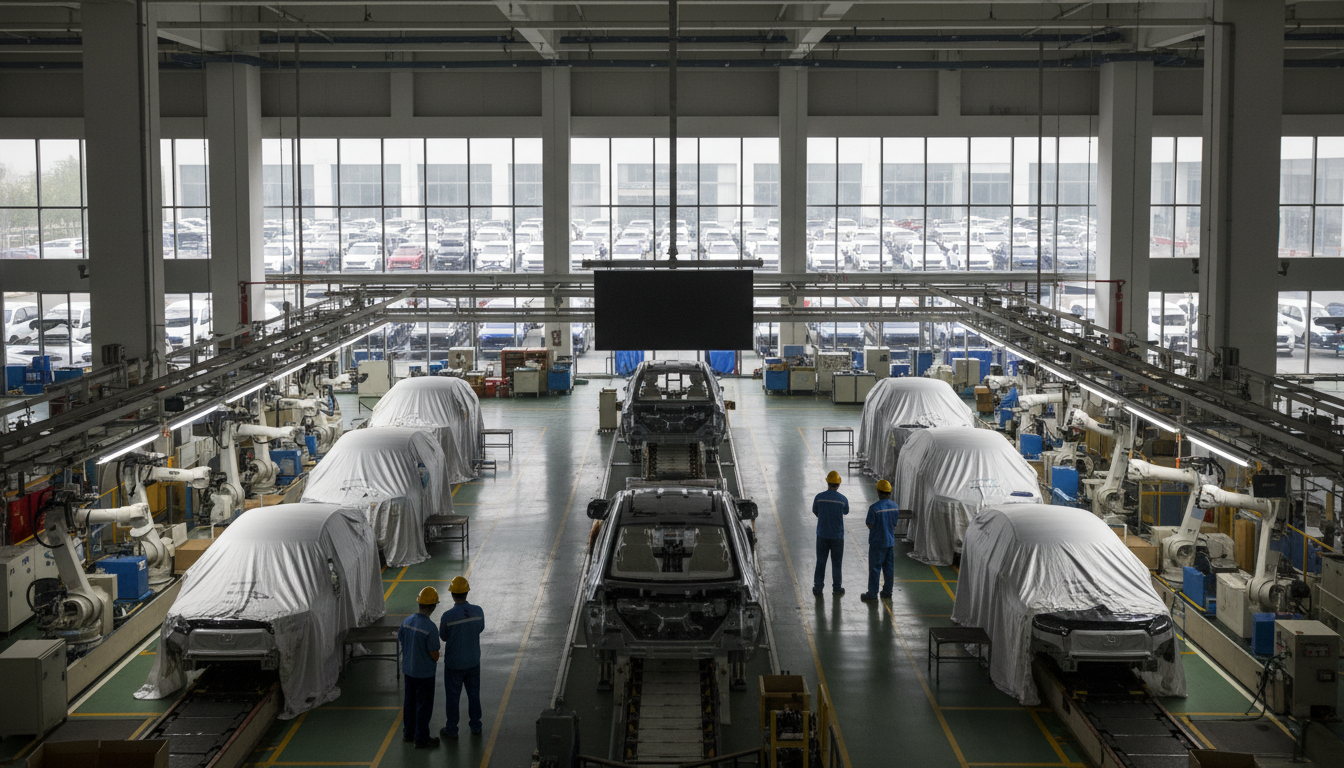
The factory affected by the decision is part of the Dongfeng Honda joint venture in Wuhan, where gasoline-engine models have been the core output. Honda confirmed the suspension covers assembly lines for petrol-powered vehicles and will take effect in June 2026, with production temporarily halted rather than an immediate permanent closure. Company and joint-venture sources say the move is intended to align capacity with market demand while management reviews longer-term production strategy.
Sales slump in China drives the decision
Chinese consumer appetite for conventional cars has softened sharply, hitting manufacturers that have not switched quickly to electric platforms. Honda has faced several quarters of weaker retail deliveries in China compared with local and foreign rivals that prioritized EV launches. The automaker’s reliance on gasoline models has left it exposed as buyers shift to plug-in hybrids and full EVs, accelerating the need for restructuring in the country.
Electric vehicle shift and competitive gap
Automakers that moved early into battery electric vehicles have gained market share in China, creating a competitive gap for Honda. Dealers and industry analysts point to a limited lineup of compelling electric models from Honda in China as a key shortfall. While Honda has announced electrification plans globally, Chinese consumers have demonstrated a clear preference for locally tailored EV offerings from both domestic brands and other global manufacturers.
Impact on joint ventures and local workforce
The halt at Wuhan underscores pressures on Honda’s joint ventures, including production planning, supplier contracts and staffing at local plants. Dongfeng Honda and other partners will need to manage idle capacity and the ripple effects on parts suppliers in the region. Company representatives indicated the suspension would be coordinated with joint-venture partners to mitigate immediate workforce disruption, but some temporary layoffs or reassignments are likely as operations are realigned.
Production cuts and capacity optimization
Honda’s decision reflects a broader industry trend of cutting output where demand has weakened and reallocating investment to electrification. The automaker is expected to review capacity across other Chinese facilities and consider reallocating resources to EV projects where feasible. Analysts say capacity optimization will be necessary for Honda to reduce fixed costs while it accelerates the development and roll-out of competitive electric models for China.
Financial and market implications
The suspension is likely to weigh on Honda’s China revenue and could affect near-term profitability at its local operations, where gasoline models have traditionally driven volume. Investors will watch how the company balances cost reductions with capital spending on electrification. Market reaction will also depend on the speed of Honda’s product response and whether it can introduce EVs that meet Chinese buyers’ price and feature expectations.
Regulatory and supplier challenges
Adapting to China’s EV ecosystem involves more than vehicle design; it requires integration with local supply chains, battery partnerships and aftersales networks. Honda faces the challenge of building supplier ties and securing battery capacity while navigating regulatory and incentive structures that favor domestic EV production. Those hurdles have contributed to slower EV rollout and limited market traction to date.
Dealer network response and customer options
Dealers in Wuhan and other Chinese cities are adjusting inventory and sales plans in light of the production pause. Consumers interested in Honda’s gasoline models may face reduced availability in the short term, while those seeking EV options are being directed to alternative brands. Dealers will likely press Honda for clearer timelines on new model deliveries and electrified product launches to stabilize demand.
Honda’s China production halt marks a turning point for the company’s operations in its second-largest market. The suspension crystallizes the urgency of accelerating electrification and reshaping local production to match evolving consumer preferences and competitive realities.
The coming months will test whether Honda can convert the pause into a strategic reset by expanding its EV lineup, strengthening partnerships in China and restoring sales momentum in a market that is rapidly moving beyond conventional gasoline vehicles.

