
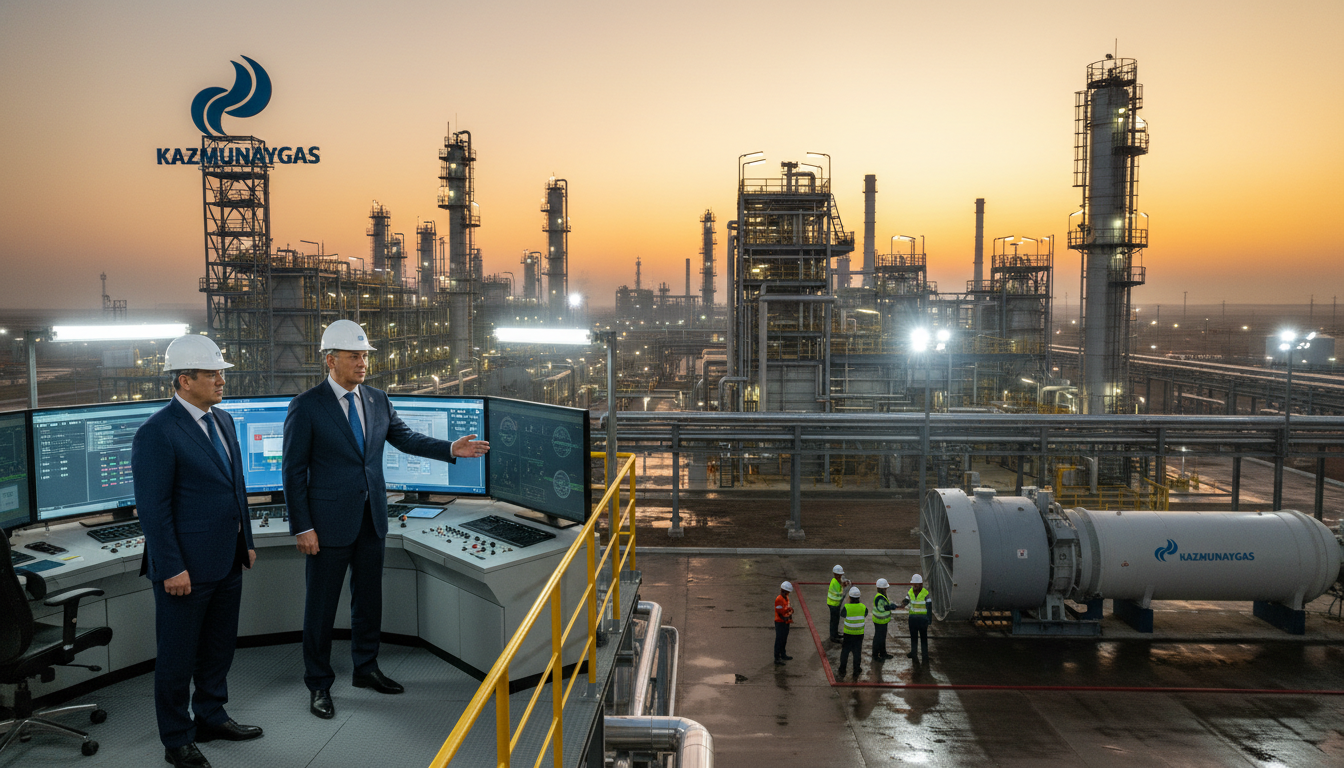
Kazakhstan moves to install KazMunayGas and CITIC at Karachaganak gas plant after fallout with Eni and Shell
Kazakhstan’s state-owned KazMunayGas and Chinese partner CITIC are set to take control of the Karachaganak gas plant project after a dispute led to the exit of Eni and Shell, reshaping the field’s development.
ALMATY, Kazakhstan — Kazakhstan’s government has signaled a decisive shift in the development of the Karachaganak gas plant, preparing to replace Western contractors with state-owned KazMunayGas and Chinese firm CITIC after a falling-out with Eni and Shell. The move marks a significant reordering of control at the Karachaganak field, one of the country’s largest gas and condensate deposits.
State-owned firms to lead Karachaganak gas plant construction
KazMunayGas is poised to assume a leading role in constructing and operating the Karachaganak gas treatment facilities previously managed by a consortium that included Eni and Shell. Officials say the state wants tighter oversight of processing capacity that feeds domestic supply and export contracts. The transition aims to secure continuity of operations while accelerating a domestically-led upgrade to handle rising gas volumes.
The decision reflects a broader trend toward stronger state involvement in strategic energy assets, with the government framing the handover as a move to protect national interests and ensure stable deliveries to domestic and international buyers. Energy ministry representatives have indicated that state entities will coordinate closely with technical partners to maintain production and safety standards.
Breakdown with Eni and Shell over processing terms
Kazakhstan’s rupture with Eni and Shell followed protracted disagreements over commercial terms and the management of gas treatment capacity at Karachaganak. Negotiations reportedly stalled on contractual adjustments and investment responsibilities for the gas processing plant, prompting the government to seek alternative partners. The split has left a gap in engineering and procurement plans that Kazakh authorities now intend to fill with state-led arrangements.
Industry sources caution that disentangling long-standing joint-venture arrangements will require detailed audits and renegotiation of legacy contracts, especially where infrastructure access and export commitments are concerned. Both Eni and Shell have historically played central roles in field operations, so the transition will demand careful coordination to avoid production disruptions.
CITIC and Chinese partners to join KazMunayGas
China’s CITIC, already a partner in other Kazakh downstream projects, is lining up to collaborate with KazMunayGas on the Karachaganak gas plant build-out. Beijing-aligned firms offer financing capacity and engineering resources to speed construction and supply-chain execution. Kazakh officials have emphasized that the partnership with CITIC is intended to combine domestic control with foreign technical support.
The involvement of Chinese contractors could shorten procurement cycles and provide alternative equipment channels, but it also raises questions among international investors about regulatory consistency and procurement transparency. KazMunayGas has pledged competitive tenders and compliance with international safety norms as the new phase of the project begins.
Impact on Kazakhstan’s energy policy and exports
The takeover of the Karachaganak gas plant by state and Chinese partners is likely to influence Kazakhstan’s broader energy strategy, including export routes and gas commercialization plans. Karachaganak supplies feedstock for both domestic gas markets and export commitments, making uninterrupted processing capacity essential for revenue flows. Officials have framed the restructuring as a way to optimize export volumes and secure long-term contracts.
Analysts note the shift may alter Kazakhstan’s negotiating position with European and regional buyers, who monitor supply stability closely. The country’s ability to meet contractual delivery windows and to integrate Karachaganak output with other pipelines and liquefaction facilities will be a central test for the new management arrangement.
Legal and commercial hurdles ahead
Transferring responsibilities from multinational partners to state entities will require resolving complex legal, tax and liability questions left over from previous joint ventures. Dispute resolution mechanisms, indemnities for past operations, and reallocation of operating permits must be settled before full handover. Regulatory agencies will need to coordinate environmental reviews and safety certifications tied to the gas plant’s expansion.
Commercially, lenders and insurers will scrutinize the transition and may seek reassurances on cash flow and governance before releasing project financing. Kazakhstan’s government has committed to honoring bona fide commercial obligations while pursuing structural changes to reflect its new priorities.
Regional geopolitical and investment implications
The Karachaganak realignment adds to a pattern of shifting influence in Central Asia, where Chinese investment and state-directed projects are increasingly prominent. The reconfiguration could prompt other regional producers and foreign investors to reassess their exposure to state-led strategies. At the same time, Kazakhstan continues to balance multiple international relationships as it seeks capital, technology and market access.
Energy partners in Europe, Russia and Asia will watch how Kazakhstan manages the transition without destabilizing supply chains. Successful execution may bolster state capacity to oversee major projects, while missteps could raise investor concerns about predictability and contractual stability.
The immediate next steps will focus on technical handover, contractual settlements with the departing partners, and setting an execution timetable for the gas treatment plant upgrades. KazMunayGas and CITIC are expected to present detailed implementation plans in coming weeks to reassure buyers and financiers.

