
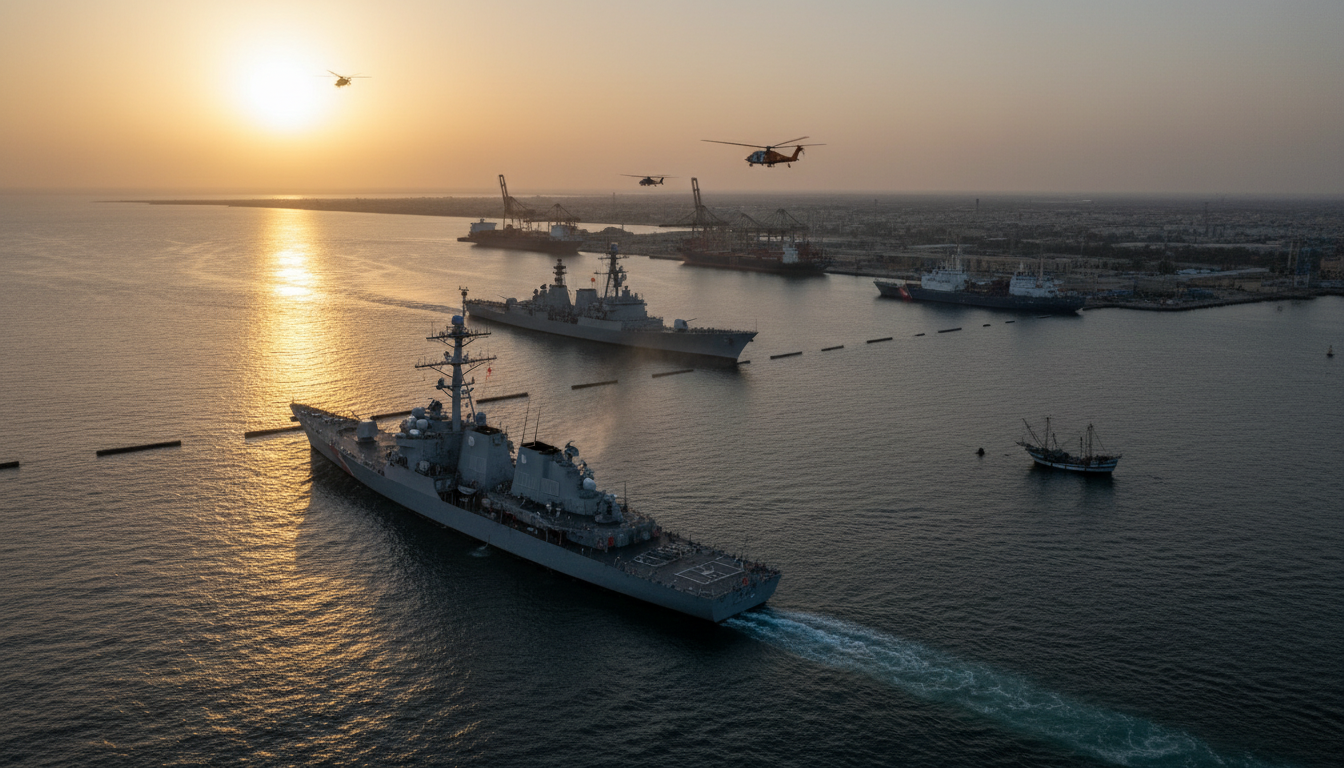
Iran Refuses to Confirm Pakistan Negotiations While US Naval Blockade Remains
Iran says it will not confirm sending a negotiating team to Pakistan while a US naval blockade remains, complicating ceasefire diplomacy and regional talks.
Iran has told mediators it will not confirm dispatching a negotiating team to Pakistan while a United States naval blockade is in place, a stance that jeopardizes progress toward extending a fragile ceasefire and reopening diplomatic channels between Tehran and Washington. The comment, reported by the semi-official Tasnim news agency and carried in regional press on April 18, 2026, frames Iran’s attendance as contingent on the removal of what it calls an unlawful blockade. (efe.com)
Iran Links Participation to Lifting of Naval Blockade
Iranian state-affiliated media quoted unnamed Iranian sources saying Tehran will only consider further meetings in Islamabad if the U.S. naval blockade is lifted.
The reporting makes clear Tehran views the blockade as a coercive measure that undermines trust and the premise of talks.
Officials in Tehran have described U.S. demands as excessive and argued that diplomatic engagement cannot proceed while military pressure remains in place. (english.ahram.org.eg)
Tasnim Agency Provides Key Details
Tasnim’s coverage, widely cited inside Iran, relayed statements from military and diplomatic sources emphasizing conditionality and skepticism about U.S. intentions.
The agency — linked to the Islamic Revolutionary Guard Corps — said Tehran has not given final confirmation for a return to Pakistan-mediated talks and framed the blockade as a primary obstacle.
That portrayal aligns with other Iranian outlets that have cast the blockade and allied pressure as central to Tehran’s reluctance to re-engage. (turkiyetoday.com)
Timeline and Context of Islamabad Talks
Diplomatic contacts between the United States and Iran took place in Islamabad on April 11–12, 2026, under Pakistani mediation but ended without a formal agreement after roughly 21 hours of negotiations.
U.S. and Iranian delegations discussed terms intended to extend a two-week ceasefire that began on April 8, but negotiators left with significant gaps unresolved, including on nuclear constraints and security guarantees.
Pakistan has since remained active as a facilitator, urging both sides to return to the table to prevent a wider escalation. (apnews.com)
U.S. Declaration of a Naval Blockade and Washington’s Position
U.S. officials, including senior administration figures, publicly signaled that a naval blockade of Iranian ports would be used to increase pressure if talks stalled, and the U.S. military has described steps to interdict Iranian maritime traffic.
Washington says the measure is intended to limit Iran’s ability to sustain military operations and to compel concessions during negotiations.
The declaration has prompted immediate pushback from Tehran, which calls the blockade illegal and a direct threat to regional stability. (apnews.com)
Risks to Shipping and the Strait of Hormuz
Regional analysts warn that a U.S. naval blockade and Iranian countermeasures could threaten commercial shipping, especially through the Strait of Hormuz, a strategic chokepoint for global energy supplies.
Iranian military officials have signaled they could respond by restricting or attacking shipments in adjacent waters if the blockade continues, raising the risk of wider disruption to energy markets.
International shipping firms and insurers have already flagged heightened risk, and several governments are monitoring the situation closely for potential spillover effects. (theguardian.com)
Pakistan’s Mediation Role and Diplomatic Options
Pakistan’s government and military leadership have played a central role hosting and shuttling between delegations, positioning Islamabad as the principal intermediary for a second round of talks.
Pakistani envoys have emphasized that negotiations must be allowed to continue in neutral settings and urged restraint from parties taking unilateral military steps that would undercut diplomacy.
For now, Islamabad faces pressure from regional partners and Western capitals to keep channels open, even as Tehran conditions participation on concrete changes to the security environment. (tokyo tribune.com)
The impasse over the U.S. naval blockade places immediate emphasis on whether Washington will alter its posture or whether Tehran’s demand for removal will harden into a longer-term refusal to engage in Pakistan-mediated negotiations.
If the blockade remains in effect, diplomats warn that the window for a negotiated extension of the ceasefire could shrink, increasing the risk of renewed hostilities and wider regional disruption.

