
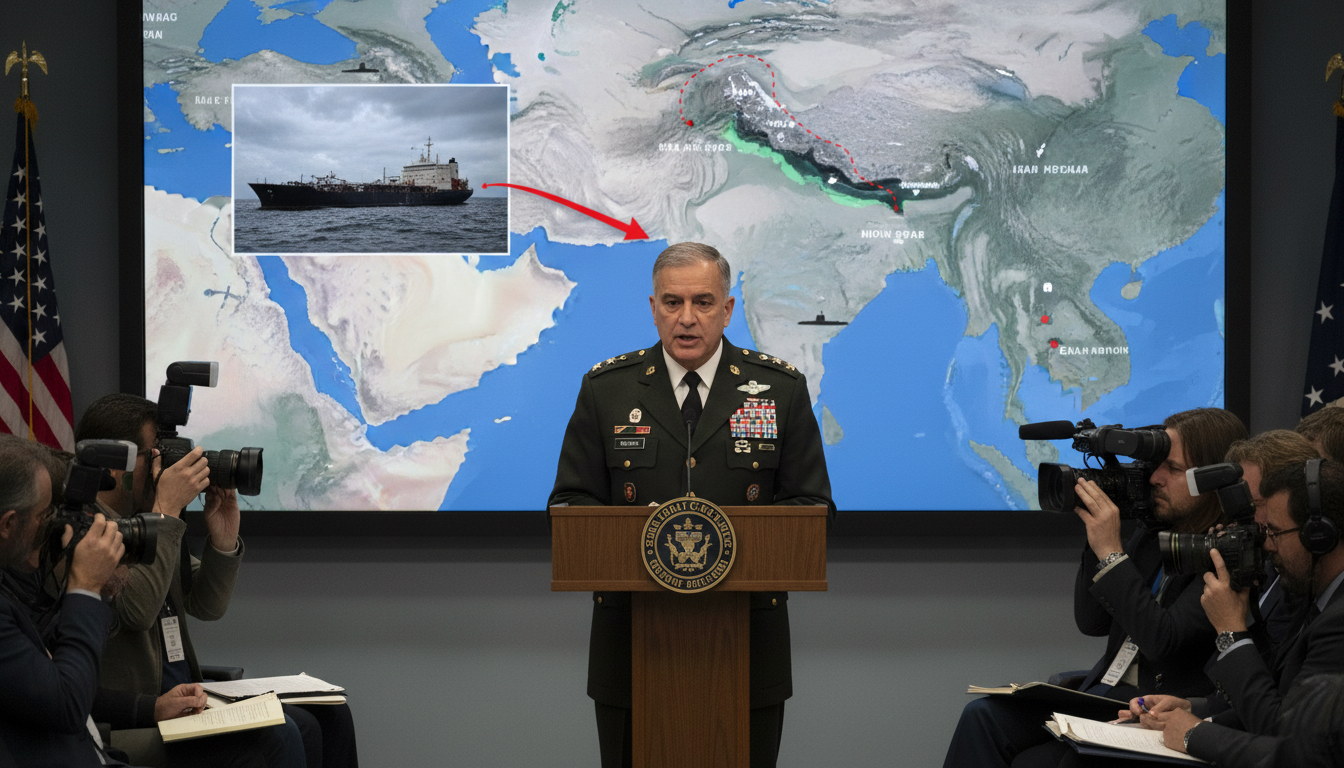
U.S. Develops Contingency Plans to Target Strait of Hormuz if Ceasefire with Iran Fails
U.S. military officials are drawing up contingency plans to target Iranian capabilities around the Strait of Hormuz and adjacent Gulf waters if a ceasefire with Tehran collapses, sources say.
The United States has begun formulating operational options that would focus on the Strait of Hormuz, the southern Arabian Gulf and the Gulf of Oman, according to current and former U.S. officials.
Those options emphasize rapid, precision strikes designed to neutralize weapons and command nodes that could threaten maritime traffic and regional forces.
Officials describe the planning as preparatory work intended to be used only if diplomatic efforts and the current ceasefire arrangement break down.
U.S. planners prioritize flexible strike packages
U.S. military planners are prioritizing flexible, short-notice strike packages that can be tailored to changing battlefield conditions.
The approach centers on "dynamic targeting," a term officials use to describe rapid identification and engagement of fleeting or moveable threats in the maritime domain.
That flexibility would allow commanders to target missiles, radar sites and other systems that pose immediate risks to ships transiting the Strait of Hormuz.
Operational focus extends across key Gulf waterways
Plans under consideration extend beyond the narrow waterway of the Strait to include the southern Arabian Gulf and the Gulf of Oman.
Officials say the wider operational focus reflects the interconnected nature of Iran’s maritime and coastal capability networks across the region.
Target sets could be shifted among these areas to respond to evolving threats while seeking to limit wider escalation.
Energy and military infrastructure are potential targets
Among the options being examined are strikes on energy-sector infrastructure and military facilities that U.S. planners assess as contributing to Iran’s capacity to threaten shipping.
Sources indicate that facilities related to oil export, ports, and missile launch infrastructure are on the operational planning lists.
Planners stress that any decision to attack such targets would weigh military objectives against the risk of civilian harm and broader economic disruption.
Targeting individual Iranian leaders is part of discussions
U.S. Army planning documents also reportedly include the option to target individual Iranian leaders or senior commanders if deemed necessary to degrade command-and-control.
Such strikes raise complex legal and strategic questions, officials acknowledge, and would be subject to high-level authorization.
Senior U.S. policymakers would need to consider the potential for rapid retaliation and the implications for regional stability before approving action of that nature.
Commercial shipping and regional markets face heightened risk
Maritime industry stakeholders say that even limited U.S. strikes in the Strait of Hormuz could carry outsized effects on global shipping routes and energy markets.
The Strait remains one of the world’s most important chokepoints for oil and liquefied natural gas shipments, so any closure or disruption would immediately reverberate through global supply chains.
Shipping firms and insurers are closely monitoring both military planning and diplomatic developments for indications of escalation.
Diplomatic channels remain active amid contingency planning
U.S. officials repeatedly emphasize that contingency planning is a routine function of military readiness and does not equate to an imminent decision to use force.
At the same time, diplomatic efforts involving regional partners and international organizations continue as governments seek to preserve the ceasefire and reduce the risk of conflict.
Washington and allied capitals have signalled a desire to keep open multiple lines of communication to prevent a return to broader hostilities.
Contingency planning for possible strikes around the Strait of Hormuz reflects the U.S. military’s effort to prepare for a range of scenarios while leaving diplomatic options on the table.
Officials say the final authority for any operation would rest with civilian leadership, which must balance military objectives against risks to civilians, regional partners and global economic stability.
For now, the plans remain options on paper—meant to be refined and revised as the diplomatic picture and on-the-ground realities evolve.

