
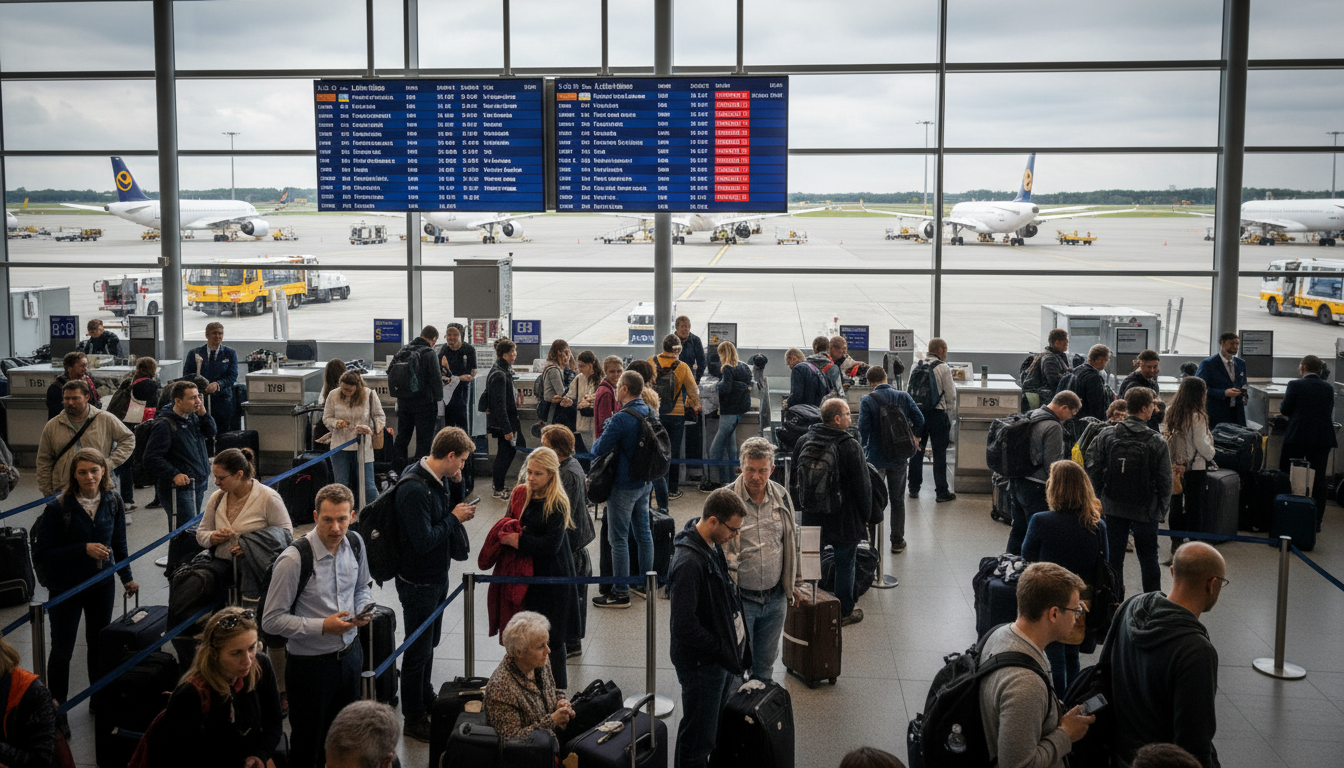
Lufthansa Cuts 20,000 Short‑Haul Flights Through October Amid Jet Fuel Crisis
Lufthansa cuts short‑haul flights in response to soaring jet fuel prices driven by the Iran conflict, reallocating capacity to hubs and aiming to conserve about 40,000 tonnes of fuel.
Lufthansa announced it will remove 20,000 short‑haul flights from its schedule through October as a direct response to a sharp rise in jet fuel prices and concerns about fuel availability following the Iran conflict. The move targets less profitable regional routes and shifts capacity toward the airline’s Frankfurt and Munich hubs. Company officials said the reduction is expected to save roughly 40,000 tonnes of jet fuel over the coming months. The decision follows earlier plans to ground 27 short‑haul aircraft at its CityLine unit ahead of schedule.
Fuel Strategy Focuses on Hubs
Lufthansa’s operational plan concentrates flights at major hub airports to maximize efficiency and reduce fuel consumption per passenger. The carrier will prioritize high‑yield routes and connections through Frankfurt and Munich where turnaround times and transfer volumes produce better fuel economics. Executives described the cuts as a temporary but necessary reallocation to protect summer schedules and maintain international connectivity. The airline also confirmed it has secured additional fuel supplies for the immediate weeks ahead while pursuing longer‑term procurement measures.
Scale and Causes of the Jet Fuel Shock
The current fuel emergency has been tied to heightened tensions in the Strait of Hormuz and broader disruptions stemming from the US‑Iran standoff that intensified in late February. Jet fuel prices more than doubled in some markets between late February and early April, spiking from roughly $99 per barrel to about $209 per barrel, according to industry reports. Europe is particularly exposed because approximately three‑quarters of its jet fuel imports typically originate in the Middle East. That reliance has magnified the impact of any supply interruption on European carriers’ operating costs.
Passenger Impact and Airline Responses
Travelers are already seeing the effects of the fuel shock through reduced schedules and higher ancillary fees as airlines try to offset operating losses. Several carriers across Europe have introduced or raised fuel surcharges, and checked‑baggage fees have increased on some routes ahead of the peak summer travel season. Reduced short‑haul options will also mean fewer direct connections for intra‑European passengers, with some travelers facing longer ground transfers to reach hub airports. Industry analysts warn that price‑sensitive leisure traffic may shift demand patterns if surcharges remain elevated through the summer.
Warnings from Energy and Aviation Authorities
Energy authorities and international agencies have issued stark cautions about jet fuel reserves and potential disruptions to flight services. The head of the International Energy Agency warned in April that Europe may have only a matter of weeks of jet fuel stockpiles under current conditions, and that flight cancellations could occur if supplies are interrupted further. European Commission officials have also quantified the economic toll, estimating that the conflict is costing the region hundreds of millions of euros per day. Regulators have urged airlines and governments to coordinate fuel procurement and contingency planning to avert broader travel disruption.
Industry Reliance on Middle East Supplies
The crisis has highlighted Europe’s heavy dependence on Middle East fuel shipments and the limited elasticity of short‑term supply chains for aviation fuel. Refining capacity, shipping routes, and storage facilities are all factors that constrain rapid rerouting of jet fuel flows when major chokepoints are affected. Some European airports and national authorities are exploring strategic fuel reserves and alternative suppliers, but building new supply lines or storage takes time and investment. For now, carriers must balance route profitability, passenger demand, and fuel availability when setting schedules.
Lufthansa said its measures are designed to preserve core long‑haul connectivity while reducing exposure on marginal short‑haul sectors, and the carrier stressed that the steps will help it weather the summer months. The broader European aviation sector faces a delicate summer as carriers juggle higher operating costs and passenger expectations amid ongoing geopolitical uncertainty.

