
Japan Probes Taiwan President Flight Permits Revocation by Indian Ocean States
Japan is reviewing implications for international aviation after Seychelles, Mauritius and Madagascar revoked Taiwan president flight permits, blocking Lai Ching-te’s trip.
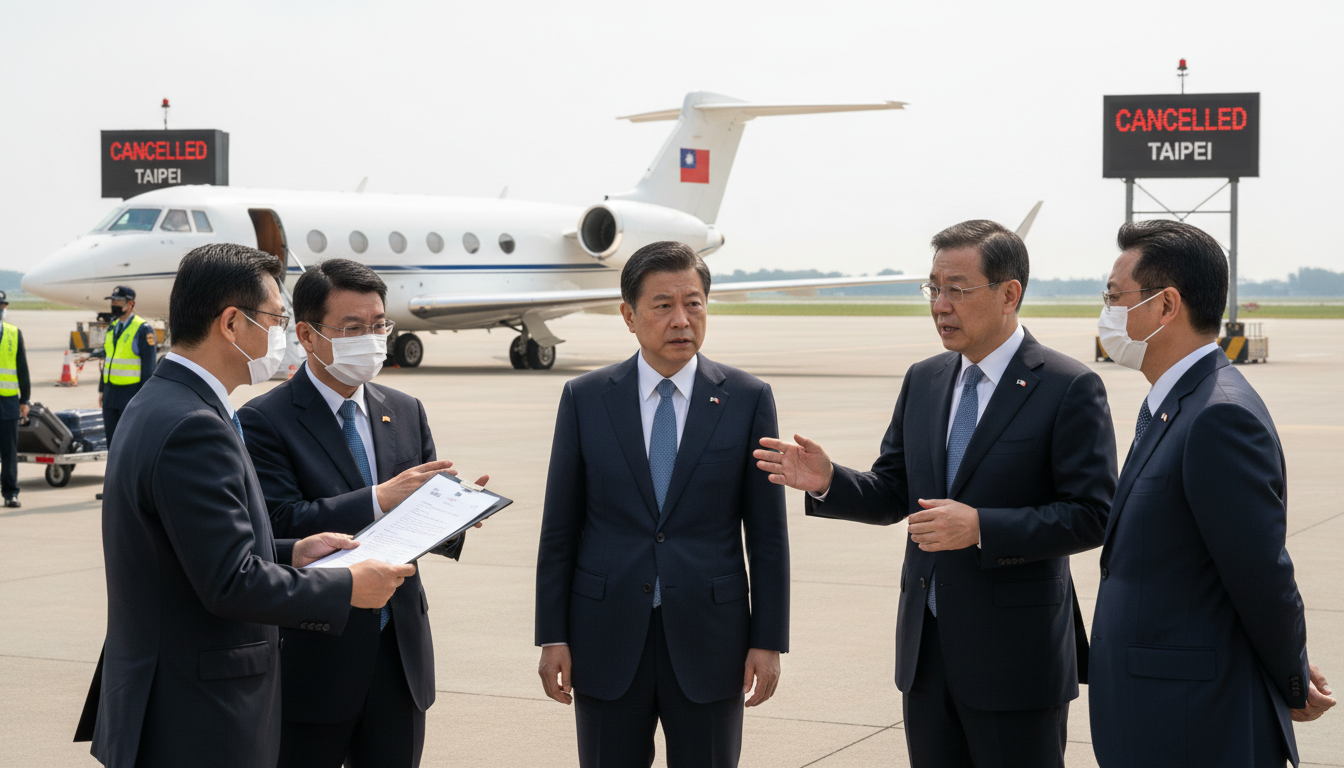
Taiwan President Lai Ching-te was forced to cancel an overseas visit after three Indian Ocean states withdrew the flight permissions needed for his presidential aircraft, Japanese officials said. Japan is monitoring developments closely and is examining whether the actions amount to political interference with the freedom of overflight under international law. Authorities in Tokyo have urged transparency from all aviation administrations involved to protect safety and routine air traffic functions.
Japan Presses for Transparency from Aviation Authorities
Japan’s Chief Cabinet Secretary Minoru Kihara said that aviation safety is a common international interest and that authorities must operate with openness. He emphasized that measures affecting flight operations should be grounded in safety, not political considerations. Tokyo has signaled it may raise the matter with international bodies if the revocations prove to be politically motivated.
A senior Japanese government official also warned that the international community should resist the “weaponization” of air traffic control, saying states must continue to perform their air traffic duties irrespective of political disputes. Japan’s response reflects concern that a precedent allowing political pressure to disrupt air routes would undermine routine long-haul travel and diplomatic movement.
Three Indian Ocean States Withdraw Air Traffic Support
Seychelles, Mauritius and Madagascar, which lie along the planned route to Eswatini, effectively refused to provide the flight information services necessary for Lai’s trip. Under international practice, countries responsible for flight information regions supply weather updates, altitude guidance and other services that make overflying safe and manageable. The withdrawal of these services, in effect, prevented the presidential plane from securing the clearances it needed.
Officials noted this is the first known occasion a Taiwanese president has had to cancel an entire overseas itinerary for lack of airspace access. The affected corridor involved international waters adjacent to the island states’ airspace, which heightened concerns about how FIR responsibilities were being applied or withheld in this case.
Taiwan Alleges Chinese Coercion; Beijing Denies Forcing Action
Taiwanese authorities told diplomats and media that Beijing pressured the three states, allegedly threatening economic retaliation, including the withdrawal of debt relief, if they allowed the flight to proceed. Taiwan framed the revocations as part of a broader pattern of diplomatic coercion intended to isolate Taipei on the world stage.
China’s government has dismissed claims that it compelled the island states to act and expressed appreciation for their decisions, framing the matter as an internal matter of sovereignty and protocol. The competing narratives have intensified diplomatic scrutiny in Tokyo and beyond, as governments weigh whether the episode represents routine aviation regulation or a novel form of political pressure.
Air Navigation Rules and ICAO Responsibilities
Under the International Civil Aviation Organization (ICAO) framework, member states are assigned flight information regions and carry responsibilities for providing air traffic-related information within those regions. These duties are designed to ensure predictable, safe transit across international skies and to prevent bilateral disputes from disrupting civil aviation. In this incident, the three states’ refusals to provide normal services raise questions about adherence to those responsibilities.
Legal analysts say that while states retain sovereignty over their airspace, longstanding conventions discourage the politicization of air traffic functions. If countries use FIR controls selectively to bar specific flights for political reasons, it could prompt calls for formal ICAO reviews or multilateral responses to safeguard the freedom of overflight.
Regional Diplomatic Consequences and International Response Options
Japan and other observers are considering diplomatic options ranging from formal protests to encouraging ICAO to assess whether international standards were breached. Japanese officials have argued that states must consistently provide air navigation services and should be transparent about safety-based reasons if they decline to do so. The incident may trigger coordinated messaging to dissuade states from accepting external pressure that interferes with aviation norms.
For Taiwan, the immediate consequence was the cancellation of a planned visit to Eswatini and the diplomatic embarrassment of being unable to complete a routine presidential trip. For the three Indian Ocean nations, the episode places them at the center of a larger contest over diplomatic recognition and influence, exposing them to scrutiny from both Taipei’s backers and Beijing’s partners.
Japan’s monitoring of the case reflects broader concern about stability in civil aviation corridors and the potential for disputes to spill over into other domains, such as maritime passage and economic cooperation. Governments with overseas travel interests are likely to watch closely for any precedent that could affect their own heads of state or commercial carriers.
The unfolding dispute underscores how technical aviation arrangements can become entangled with geopolitics, especially in regions where diplomatic alignments are contested. Preserving routine aviation services and the legal norms that support them will be central to any international dialogue that follows, according to officials and analysts watching the situation.

