
China Detains Nearly 70 Panamanian-Flagged Ships After Panama Canal Port Ruling
China detains nearly 70 Panamanian-flagged ships after Panama’s Supreme Court annulled Hutchison port contracts, prompting US and regional allies’ rebuke.
China detains nearly 70 Panamanian-flagged ships in March
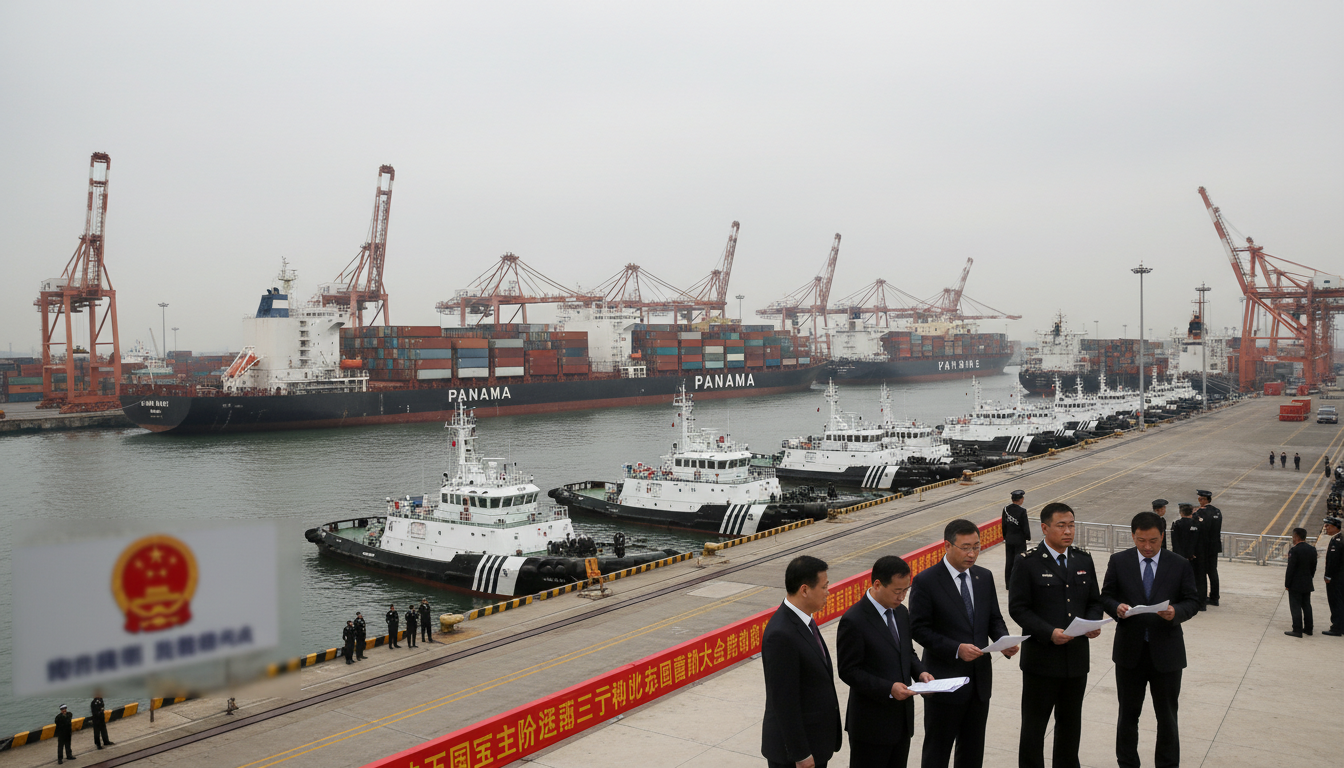
China’s authorities detained nearly 70 Panamanian-flagged ships in March, according to statements from U.S. maritime officials, an escalation that followed Panama’s Supreme Court decision to annul long-standing port contracts. The detention of these vessels has been described by U.S. regulators as far above historical inspection norms and as tied to the legal dispute over Balboa and Cristobal terminals. The incident has intensified diplomatic friction between Beijing and countries in the Americas, with shipping and trade flows placed under increased scrutiny.
These detentions have drawn immediate attention because Panama’s flag covers a substantial share of vessels involved in containerised trade with the United States. U.S. and regional officials say the inspections were carried out under informal directives and appear to have been calibrated to exert economic pressure on Panama after the transfer of port assets.
Six nations issue joint statement backing Panama
Bolivia, Costa Rica, Guyana, Paraguay, Trinidad and Tobago and the United States issued a joint statement condemning what they called “targeted economic pressure” on Panama following the court ruling. The signatories argued the inspections risk politicising maritime commerce and infringing on the sovereignty of nations in the Western Hemisphere. The statement represents an unusual multilateral rebuke aimed at Beijing’s conduct toward a Latin American partner amid a high-profile infrastructure dispute.
U.S. officials, including the head of the Federal Maritime Commission, warned that the inspections could have ripple effects for shippers and consumers, noting the strategic importance of vessels flying the Panamanian flag to U.S. trade. Washington framed its response as a defence of international maritime norms and of Panama’s independent judicial process.
Panama Supreme Court annulled Hutchison port contracts in January
Panama’s Supreme Court in late January declared unconstitutional the decades‑old agreements that allowed a subsidiary of Hong Kong’s CK Hutchison to operate the Balboa and Cristobal terminals on the Panama Canal. The court ordered the annulment of the contracts, effectively ending the company’s administration of those key terminals and prompting Panama to reassign 18-month operating agreements to other global terminal operators. The ruling has triggered competing legal claims and a broader debate about foreign control of critical infrastructure.
CK Hutchison has responded by pursuing international arbitration, seeking more than $2 billion in damages, according to filings and public statements. The move has complicated an already sensitive moment for the canal, which remains a vital artery for global shipping and a flashpoint for strategic competition.
US warns of trade and strategic consequences
U.S. policymakers have framed the detentions as a threat to the security and reliability of global supply chains, warning that measures targeting Panamanian vessels could translate into commercial and strategic costs. Officials have pointed to Panama-flagged ships’ role in moving containerised goods as a reason the actions carry outsized consequences for North American trade. U.S. Secretary of State expressed concern publicly, saying Washington stood in solidarity with Panama and underscoring the potential for broader ramifications.
The Federal Maritime Commission highlighted that intensified inspections—if conducted informally and with a punitive intent—could alter routing decisions, increase costs and inject uncertainty into shipping timetables. Such outcomes would affect importers, exporters and consumers who rely on predictable transit through the canal and on open maritime access.
Shipping companies and port operators face diplomatic pressure
Global carriers and terminal operators have found themselves drawn into the dispute. Following the court decision, subsidiaries of Maersk and the Mediterranean Shipping Company received temporary contracts to run the Panama Canal terminals and were subsequently summoned by China’s transport authorities for high‑level discussions. China’s state-linked carrier COSCO also suspended operations at the Balboa terminal, citing unspecified concerns.
Industry analysts say the episode highlights how commercial firms can become instruments of state policy when geopolitical tensions intensify. Shipping companies now face operational disruptions and a complicated web of political expectations, forcing them to navigate both commercial imperatives and diplomatic sensitivities.
Legal claims, arbitration and regional implications
Beyond immediate trade effects, the dispute has already spawned legal contests and may set precedents for how host states and foreign operators resolve infrastructure disputes. Panama’s move to void the agreements rests on constitutional grounds, while affected firms seek redress through international arbitration mechanisms. The outcome of those proceedings will shape investment perceptions across the region and could influence how other transit states structure contracts with foreign investors.
Regional governments have signalled that they are watching closely, framing the contest as a test of judicial independence and of the limits of economic coercion. Observers warn that if shipping becomes a regular tool of statecraft, global supply chains may increasingly be subject to rapid political shifts.
The detention of nearly 70 Panamanian-flagged ships and the diplomatic fallout underscore the growing vulnerability of maritime trade to geopolitical disputes, as legal rulings and commercial reassignment of strategic assets intersect with the strategic interests of major powers.

