
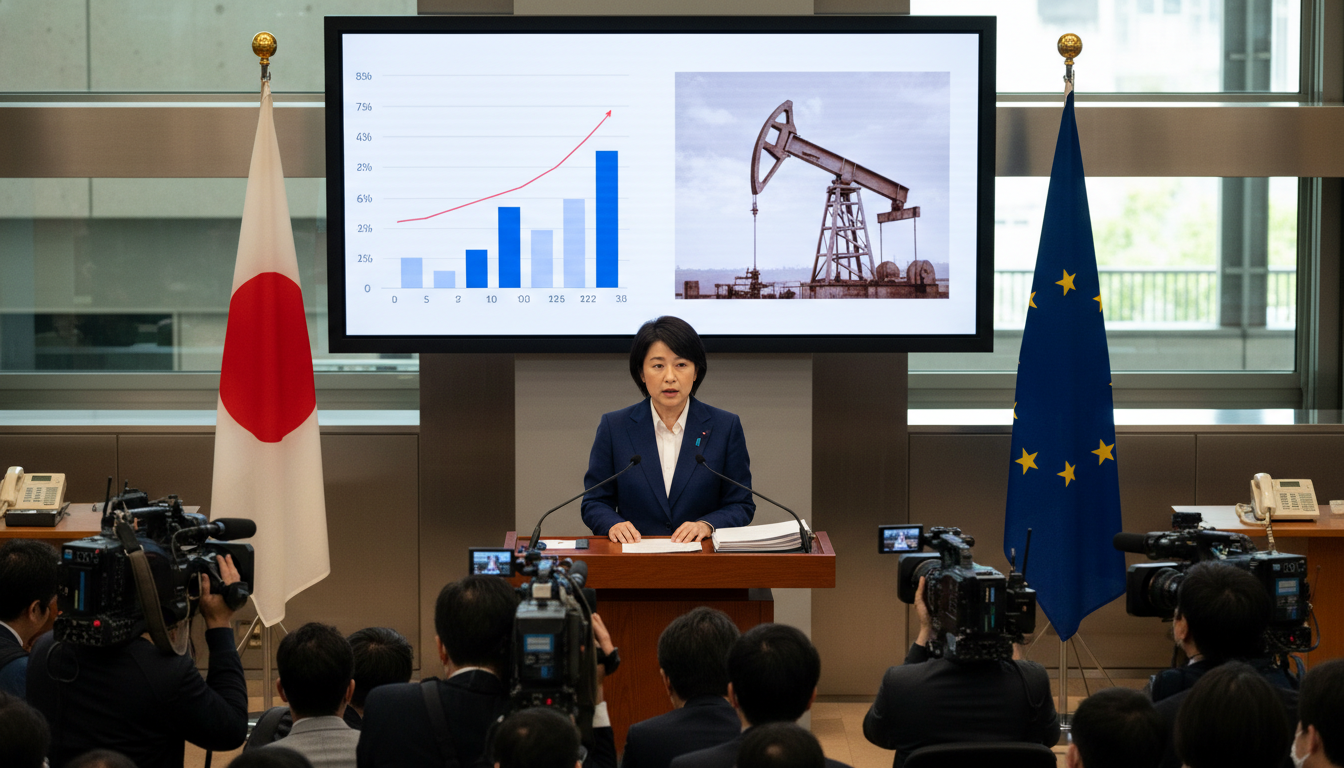
Japan Energy Crisis Echoes 1970s as Leaders Weigh Plan B
Japan faces an energy crisis after the Iran war; policymakers are drawing on 1970s lessons and weighing strategic reserves, supplier shifts and fiscal steps.
Japan is confronting what analysts describe as its most serious energy shock since the 1970s, as disruptions tied to the Iran war squeeze oil and LNG flows and send prices higher. The Japan energy crisis has pushed officials to revisit emergency playbooks from half a century ago while seeking new measures to protect households and industry. Tokyo’s options now range from tapping strategic reserves and negotiating alternative supplies to emergency fiscal measures and demand management.
Supply Shortfalls and Market Volatility
Energy markets reacted swiftly to supply uncertainty, with spot crude and liquefied natural gas prices jumping and futures exhibiting higher volatility. Import-dependent utilities and manufacturers face immediate procurement challenges that could translate into higher costs for consumers and reduced industrial output. The scale of expected shortfalls has intensified talks inside ministries and at the prime minister’s office about near-term interventions and longer-term resilience.
Comparisons to 1970s Crisis Driving Strategy
Senior officials and economic advisers are explicitly referencing responses used during the 1970s oil shock as a blueprint for decisive action. That earlier episode combined government-led conservation measures, diplomatic outreach and fiscal adjustments to stabilize markets and shield the economy. Today’s policymakers are studying which elements can be adapted to a more interconnected energy system and a different geopolitical landscape.
Strategic Reserves and Emergency Measures Under Review
Tokyo is examining the scope and timing of possible releases from the national strategic petroleum reserves and assessing whether coordinated releases with allies are feasible. Emergency demand measures, including temporary rationing for critical sectors and incentives for conservation, are also under consideration. Officials say any release or rationing plan must balance immediate relief with preserving reserve stocks for prolonged disruptions.
Economic Trade-Offs and Political Calculations
Implementing tough measures will present political costs that ministers must weigh carefully, as seen in past crises when economic pain and public discontent rose alongside policy stringency. Fiscal options such as targeted subsidies to low-income households or temporary tax adjustments are being debated to blunt the social impact of higher energy prices. Ministers face the familiar dilemma: act early and risk unpopular austerity, or delay and face deeper economic fallout later.
Diplomatic Push for Supplier Diversification
Officials are intensifying talks with a broader set of energy suppliers across the Middle East, the United States and other regional partners to secure alternative cargoes and long-term contracts. Energy diplomacy is being coupled with discussions on maritime security and insurance arrangements that could reduce the logistical risks of shipments. Diversification is presented as both a stopgap and a strategic shift to reduce future vulnerability.
Industrial and Consumer Impacts Emerging
Corporate planners are revising production schedules and contingency plans in response to tighter energy availability and higher input costs. Some energy-intensive manufacturers are exploring temporary slowdowns or switching to alternative fuels where feasible, while firms in logistics and chemicals brace for squeezed margins. Households already report rising utility bills and growing concern over winter heating and summer cooling costs, increasing pressure on policymakers to act.
Japan’s policymaking circle is also assessing the long-term implications for energy policy: whether to accelerate clean-energy investments, reconsider nuclear restarts where politically viable, or expand storage and interconnection capacity. Each option carries economic, technical and social trade-offs that will shape the country’s energy trajectory for years.
The government has signaled a preference for a staged approach that combines immediate mitigation with medium-term structural reforms, but the pace and scale of measures remain subject to cabinet debate and parliamentary scrutiny. As the situation unfolds, analysts caution that clarity in communication and timely support for vulnerable groups will be critical to maintaining public confidence.
The coming weeks will test how effectively Japan can translate historical lessons from the 1970s into contemporary policy while managing the geopolitical and economic complexities of the current Iran war–related disruption.

