
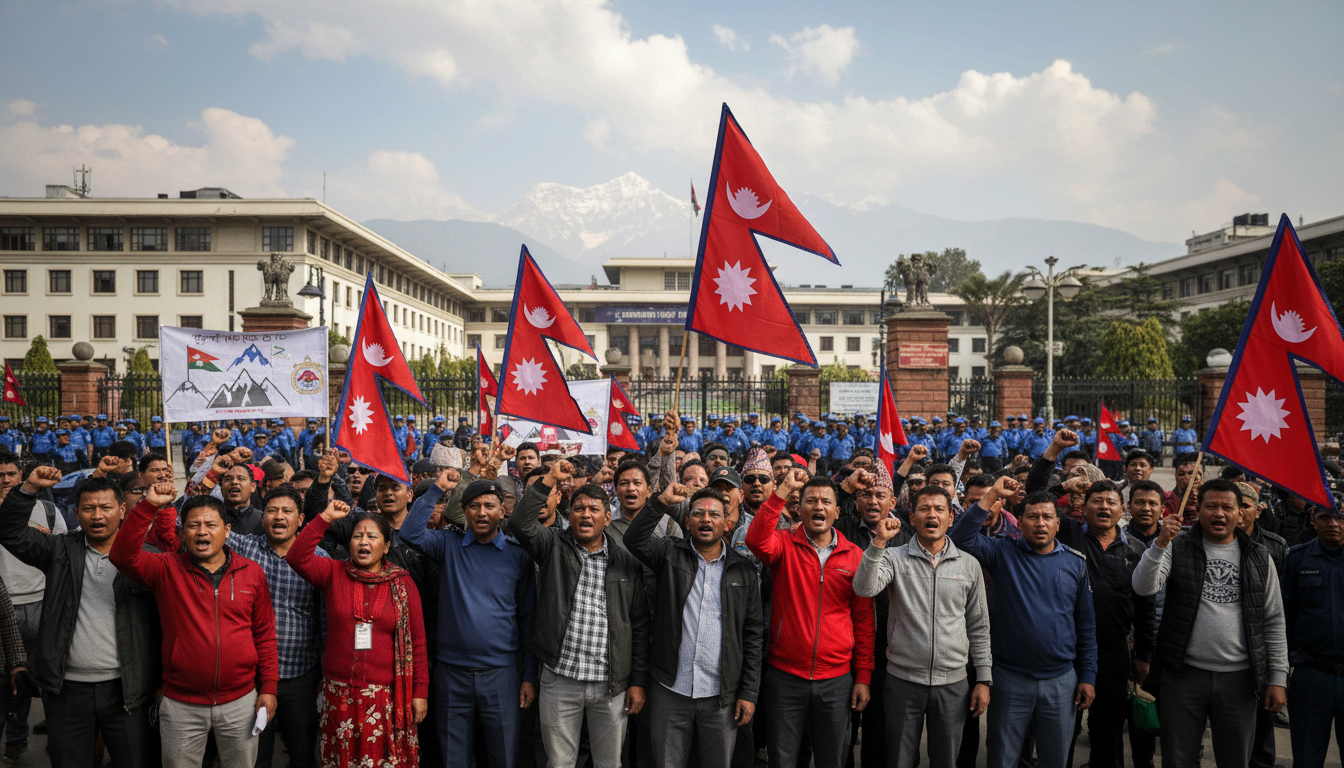
India reopens pass to Mount Kailash pilgrimage, prompting Nepal protest
Nepal protests India’s reopening of a Himalayan pass to Mount Kailash pilgrimage in Tibet, reviving a long-standing territorial dispute and regional tensions.
Nepal has protested India’s decision to reopen a Himalayan pass that leads to the Mount Kailash pilgrimage site in Tibet, according to officials in Kathmandu.
The move, which restores access for Hindu pilgrims to a revered mountain shrine, has reignited a territorial disagreement between the two neighbours and prompted diplomatic concern.
The reopening comes as pilgrims and tour operators prepare for seasonal journeys to the high plateau, while governments weigh security, sovereignty and cross-border travel arrangements.
Nepal registers diplomatic objection
Kathmandu said it had lodged an objection after India reopened the route to the Tibetan side for the Mount Kailash pilgrimage.
Officials in Nepal framed the decision as an action affecting border delineation and national territory, and asked New Delhi for clarification through diplomatic channels.
The protest underscores a heightened sensitivity in Nepal about any unilateral changes that might affect maps, access points or administrative control along the Himalayan frontier.
India’s reopening and pilgrimage demand
Indian authorities reopened the pass to allow access for pilgrims undertaking the Mount Kailash pilgrimage in Tibet, citing longstanding cultural and religious ties.
For many Hindu and Buddhist devotees, the trek to Mount Kailash and the nearby Mansarovar lake is a major spiritual journey that attracts thousands of visitors in pilgrimage seasons.
Officials and travel organisers have said the route’s reopening aims to facilitate pilgrim movement, though it also requires coordination on visas, transport and high-altitude logistics.
Historical border tensions revisited
The decision has revived longstanding border tensions that have periodically surfaced between Nepal and India over Himalayan boundary lines.
While the precise contours of past disagreements differ by episode, recent actions that affect access points or maps have repeatedly prompted scrutiny from Kathmandu.
Analysts note that even administrative decisions framed as travel facilitation can carry political weight in areas where border demarcation remains sensitive.
Religious significance and local economies
Mount Kailash is central to multiple faiths and its pilgrimage brings cultural significance as well as economic activity to communities that support the route.
Local guide services, transport operators and hospitality businesses in adjacent regions rely on seasonal pilgrim traffic for income, which can influence government choices on access.
However, the high-altitude environment also creates logistical challenges, raising questions about safety, emergency preparedness and environmental strain as pilgrim numbers rise.
Regional diplomatic implications
Nepal’s protest places pressure on New Delhi to respond through established diplomatic channels while managing domestic expectations on both sides.
The incident may prompt talks focused on border administration, signage and joint mechanisms to coordinate pilgrim flow without altering territorial claims.
Observers say that the episode could affect broader Nepal–India relations, which have oscillated between close cooperation and periodic tension over trade, transit and territorial sensitivity.
Operational and legal considerations for pilgrims
Pilgrims planning travel to Mount Kailash will need to monitor official guidance from their governments, including visa, permit and health requirements for high-altitude travel.
Tour operators emphasise the importance of acclimatisation, certified guides and contingency plans given the risks inherent in Himalayan routes.
Both governments and private operators face the task of balancing religious access with safety protocols and respect for border arrangements.
Nepal’s protest over India’s reopening of a Himalayan pass to the Mount Kailash pilgrimage highlights the complex intersection of faith, local livelihoods and sovereignty in a geopolitically sensitive region.
As diplomatic exchanges proceed, authorities will need to clarify travel procedures and address territorial concerns to prevent escalation and ensure safe, orderly pilgrimages in future seasons.

