
Electric vehicle sales in the Philippines surge as VinFast demand rises
Electric vehicle sales in the Philippines have jumped as rising fuel costs push buyers toward lower-running-cost models like VinFast, reshaping urban car demand. (155 characters)
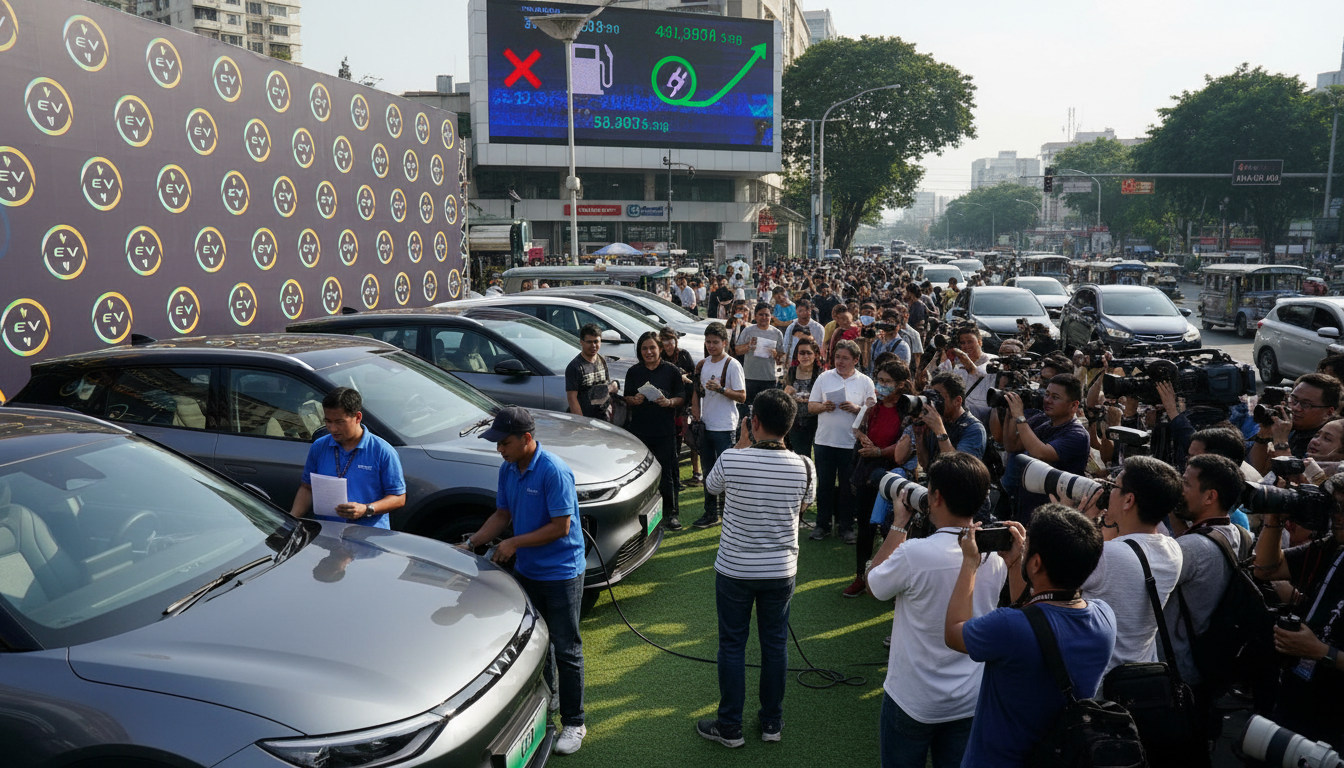
MANILA — Electric vehicle sales in the Philippines surged in the first two months of the Middle East conflict, as rising fuel prices steered consumers toward lower-running-cost alternatives and a growing number of urban buyers considered EVs as practical replacements for petrol cars. The shift was visible on showroom floors in Metro Manila, where models such as the VinFast VF3 attracted sustained attention from motorists seeking cheaper day-to-day transport.
Sales spike recorded during regional price shock
A sharp uptick in enquiries and purchases at dealerships followed an abrupt rise in pump prices, dealers said, reflecting how sensitive Philippine consumers are to fuel costs. The surge in electric vehicle sales in the Philippines was concentrated in compact and entry-level models that fit city driving needs and lower total cost of ownership. Retailers reported a faster-than-expected conversion of interest into sales as buyers weighed long-term savings against higher upfront prices.
VinFast emerges as a visible beneficiary
Vietnamese automaker VinFast has become one of the more visible beneficiaries of the demand swing, with its compact VF3 model frequently appearing at showrooms and motor shows. The VF3’s compact footprint and lower operating costs made it a notable option for urban commuters, dealers and observers said. While global brands also reported increased interest, VinFast’s aggressive local marketing and dealer network helped drive retail momentum.
Consumers cite running costs and convenience
Buyers interviewed by local media and industry observers cited rising expenditure on fuel bills as the primary motivator for switching to electric models. Many described short daily commutes and high city congestion as factors that reduce the need for long-range vehicles, making smaller EVs more attractive. At the same time, prospective buyers weighed the inconvenience of charging against potential savings, with some opting for hybrids or plug-in options as a compromise.
Dealers and importers adjust inventory and pricing
Automotive dealers responding to stronger demand adjusted inventory priorities, increasing allocations for small EVs and revising financing packages to offset higher sticker prices. Importers and distributors also reported pressure to secure additional shipments as waiting lists for popular models lengthened. Several dealerships began offering tailored finance schemes and service bundles aimed at first-time EV buyers to ease the transition from petrol vehicles.
Infrastructure and after-sales challenges remain
Despite the sales rise, charging infrastructure and after-sales support were identified as persistent constraints on broader adoption across the archipelago. Public fast-charging stations remain concentrated in major urban centers, leaving provincial routes and long-distance travelers more reliant on traditional fuels. Industry participants said improving network coverage and ensuring reliable maintenance and parts supply are essential if the momentum for electric vehicle sales in the Philippines is to continue beyond niche urban markets.
Policy landscape and market outlook
Policy measures, including tax incentives, import duties and local regulations, will influence how quickly the market grows, analysts said. While some stakeholders have called for clearer government incentives to accelerate adoption, others emphasized market-led responses as fuel prices continue to exert pressure on consumer choices. Observers expect the near-term market to be driven primarily by cost considerations and urban demand patterns, with broader adoption dependent on infrastructure investment and regulatory support.
The recent surge underscores how external shocks such as spikes in global fuel prices can rapidly reshape consumer behaviour in the automotive sector. As Filipinos reassess the economics of owning a petrol car, manufacturers and dealers are repositioning to meet new preferences, and the coming months will test whether the uptick in electric vehicle sales in the Philippines represents a sustained transition or a temporary response to higher pump prices.

