
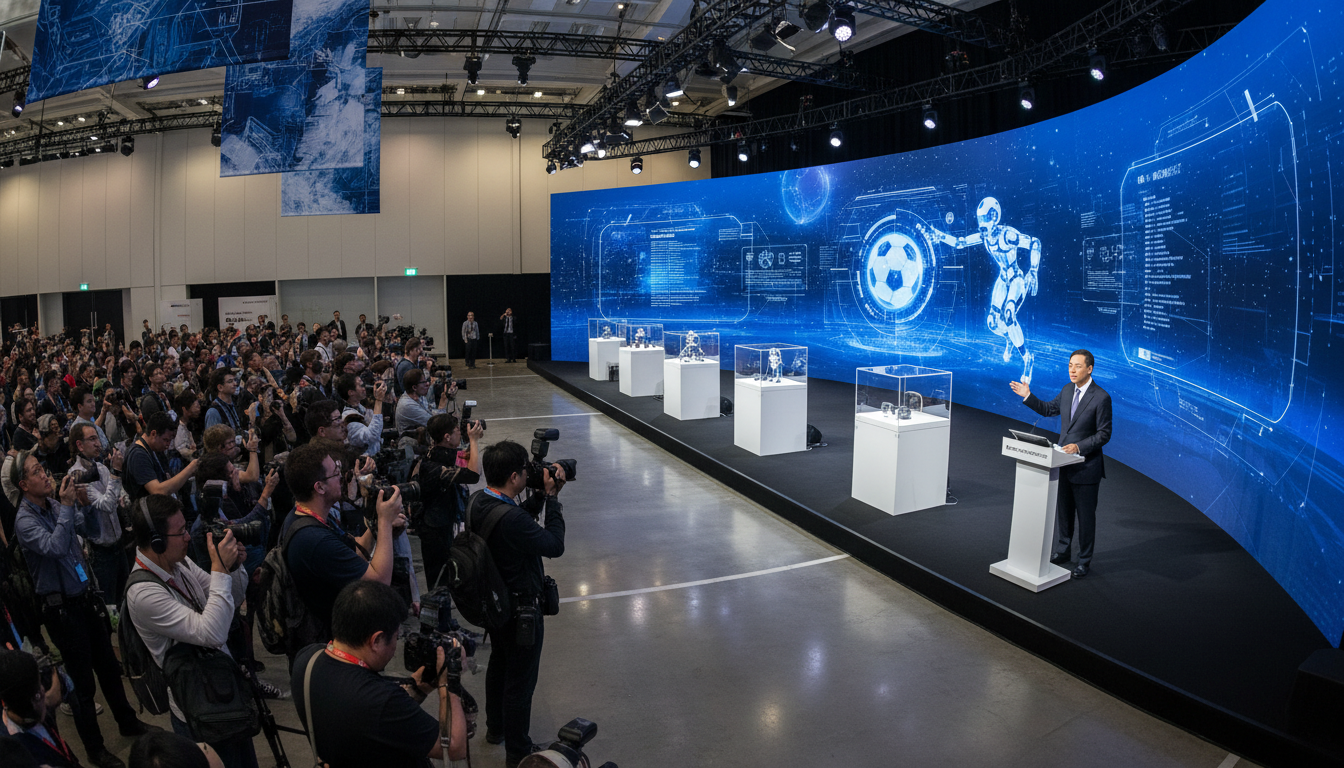
Lenovo unveils AI systems for 2026 World Cup in Las Vegas preview
Lenovo showcased new AI-driven stadium and broadcast technologies for the 2026 World Cup at a Las Vegas preview, signaling a strategic move beyond its PC business into large-scale sports and fan-engagement solutions.
Lenovo presents World Cup AI preview at Sphere
Lenovo staged a high-profile demonstration at the Sphere in Las Vegas on Jan. 6, 2026, presenting artificial intelligence systems designed for the upcoming 2026 FIFA World Cup. The event highlighted technologies intended to support stadium operations, broadcast production and real-time fan services. Company executives framed the showcase as a testbed for rolling out integrated AI platforms at major sporting venues worldwide.
The preview drew attention not only for the hardware on display but for the scale of the ambitions. Lenovo positioned the systems as tools to handle live data flows, edge computing needs and audiovisual processing at venues hosting matches. Organizers described the demonstration as an early practical exercise in applying AI to complex event environments.
FIFA presence and industry visibility
FIFA President Gianni Infantino attended the preview, underscoring the governing body’s interest in new technologies for major tournaments. Lenovo’s chairman and chief executive, Yang Yuanqing, also appeared at the event, using the public forum to illustrate the company’s evolving focus. Their joint presence lent official weight to the partnership and signaled a closer alignment between sports organizations and technology providers.
Officials emphasized operational benefits rather than commercial terms, and no exclusive supplier agreement was announced at the event. Observers noted that FIFA’s involvement increases visibility for the technologies while leaving room for additional vendors and integrators to participate in tournament delivery and broadcasting.
Technologies shown and use cases
The demonstrations covered a range of AI-enabled systems meant for stadium and media applications. Presentations included real-time camera analytics, automated camera switching for broadcast, latency-reduction technologies for live feeds and AI-driven content enrichment for fans. Lenovo also showcased edge computing appliances and server configurations intended to process vast streams of video and telemetry inside venue networks.
Use cases on display ranged from improving broadcast workflows to enhancing in-stadium experiences with personalized content and language services. The company highlighted the potential to accelerate highlight clipping, enable smarter crowd monitoring and deliver tailored advertising and information to spectators’ devices, all powered by on-site AI inference and orchestration.
Corporate strategy: expanding beyond PCs
Lenovo has long been known as a leading global PC and device maker, but the company is increasingly emphasizing enterprise services and infrastructure. The World Cup preview is part of a broader push to monetize AI capabilities across industries that require high-throughput computing, low-latency operations and integrated hardware-software solutions. Executives framed the move as diversification: leveraging Lenovo’s manufacturing scale and systems expertise to sell end-to-end solutions rather than standalone consumer hardware.
Analysts say the strategy follows a wider industry pattern in which traditional device makers are pursuing higher-margin software and services tied to large events, smart cities and industrial AI deployments. For Lenovo, sports venues offer a visible stage to demonstrate systems that can later be adapted to other sectors such as transportation, healthcare and retail.
Market reception and geopolitical context
The reception from broadcasters, rights holders and systems integrators was cautiously positive, with interest in vendor solutions that reduce complexity and speed up deployment for major events. At the same time, the expansion raises questions about data governance, vendor lock-in and cross-border supply chain resilience. Regulators and some event stakeholders have become more attentive to where hardware is manufactured and how sensitive data is processed and stored.
As a China-headquartered company moving into global sports infrastructure, Lenovo may face heightened scrutiny in certain markets. Companies operating at the intersection of AI and public events must address privacy, cybersecurity and transparency concerns to secure contracts and public trust, industry observers noted.
Commercial outlook and next steps
Lenovo plans additional pilots and collaborations with event operators and broadcast partners in the run-up to the 2026 World Cup. The company’s approach centers on proving reliability in live settings and demonstrating measurable benefits such as reduced production costs or improved fan engagement metrics. Success in those pilots could open recurring revenue streams from software subscriptions, systems maintenance and tailored services for event operators.
Stakeholders across the sports and media ecosystems will be watching whether the showcased technologies deliver tangible operational improvements during large-scale events. The coming months will likely determine whether Lenovo’s World Cup preview translates into long-term market traction for its AI-driven offerings.
Lenovo’s Las Vegas demonstration marked a clear signal of intent: the company is seeking to translate its hardware pedigree into a broader role as an AI infrastructure and services provider for global events. The outcome will depend on technical performance, commercial partnerships and the ability to address regulatory and privacy concerns as deployments move from demonstration to live competition venues.

