
Strait of Hormuz disruption fuels energy crisis and threatens Asian supply chains
Strait of Hormuz disruption fuels an energy shock that raises industrial input, logistics and food costs, threatening growth and tourism across Asia regionally.
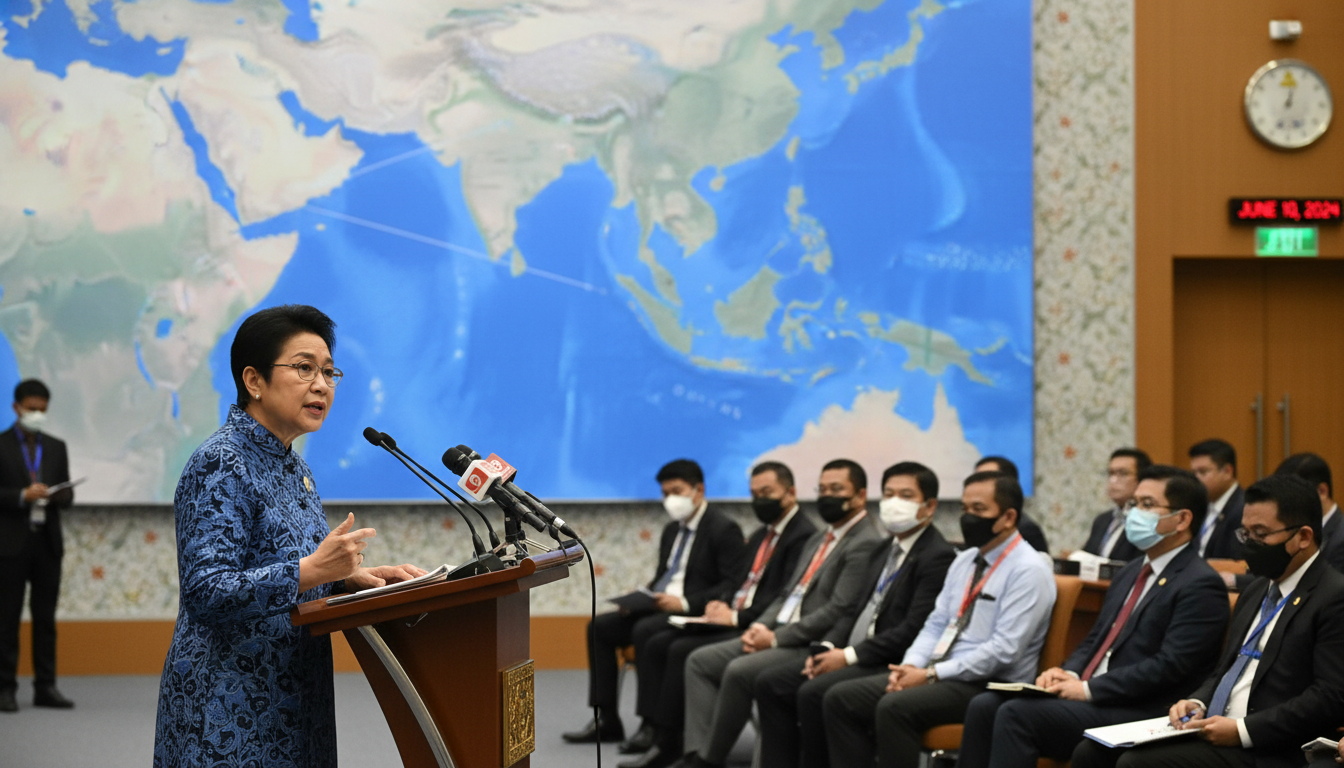
The de facto closure of the Strait of Hormuz is prompting fresh concerns about an energy-driven shock that is already rippling through Asian economies, policymakers said in Tokyo on Wednesday. Malaysian central bank governor Abdul Rasheed Ghaffour warned that the energy crisis is spilling into industrial inputs, logistics, food prices and tourism, heightening risks to growth and inflation across the region. Officials and financial experts attending an ASEAN+3 forum stressed that the effects are broadening beyond energy markets to everyday costs for businesses and consumers.
Tokyo meeting highlights regional alarm over Strait of Hormuz
Yasuto Watanabe of the ASEAN+3 Macroeconomic Research Office and governors from several central banks joined the discussion in Tokyo, underscoring the cross-border nature of the disruption. Delegates noted the Strait of Hormuz’s centrality to global oil flows and said recent developments amount to a significant shift in market dynamics. Participants signalled a need for close monitoring and more coordinated analysis of second‑round impacts on prices and trade.
Energy shock translating into higher industrial input costs
Higher oil and gas prices are translating into steeper costs for manufacturers that rely on energy-intensive processes and petrochemical feedstocks. Firms face rising bills for direct fuel consumption as well as pricier raw materials such as plastics and fertilizers, where energy is a major component. That squeeze on margins can feed through to producer prices and, over time, consumer inflation, making the policy trade-offs for central banks more acute.
Logistics and freight routes under pressure
Maritime disruption is increasing freight costs and elongating delivery times, industry observers said, as shipping lines reroute vessels or seek alternative paths to avoid contested waters. Longer voyages and higher insurance premiums raise the landed cost of traded goods, while port congestion and scheduling uncertainty amplify supply‑chain bottlenecks. These logistics pressures reverberate across sectors that depend on just‑in‑time inventory systems, from electronics to automotive parts.
Rising food prices and tourism headwinds
Food supply chains are particularly vulnerable because higher energy and transport costs raise the price of inputs such as fertilizer and freight for perishable goods. Markets already sensitive to seasonality may see amplified volatility, which can disproportionately affect lower‑income households. Meanwhile, increased travel costs and geopolitical caution are damping tourist flows to several Asian destinations, creating additional strain for economies that rely heavily on tourism revenues.
Monetary policy and fiscal trade‑offs for Asian authorities
Central banks in the region face a delicate balancing act between containing inflation and supporting growth as energy costs push up prices. Tightening policy too rapidly risks choking off fragile recoveries, while delayed action could entrench inflation expectations and squeeze real incomes. Governors at the meeting highlighted the value of timely data and regionally coordinated surveillance to inform policy responses that are calibrated to country‑specific conditions.
Private sector adaptation and supply‑chain resilience
Businesses are reassessing sourcing strategies and inventory buffers in response to heightened uncertainty, with some shifting orders toward nearer suppliers or increasing stockpiles to insulate production. Companies in exposed industries are also exploring hedging and contractual adjustments to manage commodity and freight price volatility. Analysts warned, however, that such defensive measures can raise costs and reduce efficiency if they persist indefinitely.
Looking ahead, regional policymakers urged contingency planning and closer information sharing to limit the broader economic fallout from the Strait of Hormuz disruption. Multilateral institutions and finance officials at the forum emphasized that early identification of spillovers — into prices, trade flows and tourism — can help tailor targeted measures without resorting to blanket interventions.
If the current disruption endures, the cumulative impact on inflation, growth and employment could be significant for several Asian economies, underscoring the need for coordinated monitoring and flexible policy tools. The Tokyo forum concluded with calls for continued dialogue among central banks, finance ministries and regional research bodies to track developments and prepare proportionate responses.

