
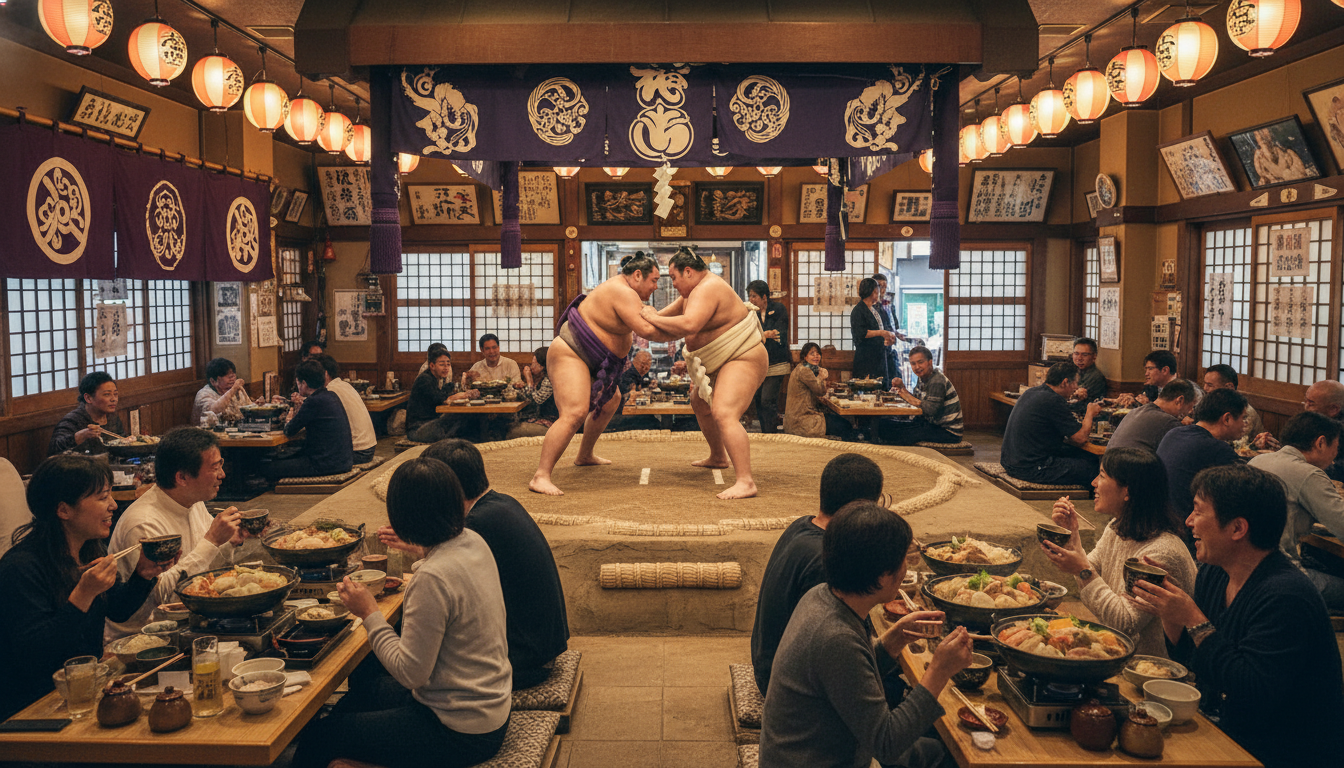
Tokyo sumo restaurants: guide to dining, shows and authentic experiences
Explore Tokyo sumo restaurants: compare Ginza kaiseki shows, Ryogoku stable-led performances, family-friendly Asakusa options and booking tips for visitors.
The latest guide to Tokyo sumo restaurants lays out where to see theatrical sumo shows, dine on chanko nabe and meet retired rikishi across the city. Tokyo sumo restaurants remain a popular way for visitors and residents to sample sumo culture in an accessible, entertaining format. This article maps the leading venues, explains what to expect at each location and offers practical booking and accessibility advice for anyone planning to attend.
Ginza’s Sumo Live Restaurant Hirakuza: kaiseki, sake and staged bouts
Ginza’s Sumo Live Restaurant Hirakuza pairs a multi-course kaiseki meal with a two-hour sumo performance designed for visitors seeking a stylized introduction to the sport. Guests can arrive early to sample 20 premium Nada sakes at the venue’s dedicated bar and browse sumo-themed souvenirs before being escorted to their seats. The program opens with the wrestlers’ entrance onto the dohyo, includes training demonstrations and staged matches, and may conclude with a lottery that selects audience members to step into the ring. Located in the basement of Ginza Yanagi-dori Building, the setting balances theatrical production values with traditional elements to create a polished, crowd-pleasing experience.
Sumoland Ryogoku: stable supervision and hands-on authenticity
Sumoland in Ryogoku emphasizes authenticity by operating under the supervision of former yokozuna Asahifuji and by featuring rikishi connected to active training stables. The roughly two-hour show combines generous chanko nabe servings with demonstrations of sumo technique, a participatory mochi-pounding ritual and informal interaction with wrestlers. Audience members are regularly invited into the ring to practice moves or challenge a wrestler, and performances conclude with autograph signings, photos and souvenir giveaways that reinforce the personal feel of the event. Situated near Ryogoku’s sumo districts, Sumoland aims to reflect the sport’s daily-life culture as well as its ceremonial aspects.
Yokozuna Tonkatsu Dosukoi Tanaka: food-forward training demonstrations
Yokozuna Tonkatsu Dosukoi Tanaka offers a clear focus on food alongside instruction in sumo basics, making it a strong pick for visitors who want to taste classic wrestler fare. Diners begin with tonkatsu, sukiyaki or chanko nabe, then watch retired wrestlers run through training rituals while a presenter outlines the sport’s rules and customs. The show mixes instruction and humor, and attendees have the opportunity to test their strength in a light-hearted challenge against a former rikishi before taking commemorative photos. With evening-only performances and a compact format, the venue appeals to families and newcomers who value a straightforward introduction to sumo culture.
Asakusa Sumo Club and Annex: family-friendly entertainment and VIP dining
Asakusa’s sumo venues are designed for broad appeal, combining high-energy performance with tourist-friendly touches such as English MCs, costume photo ops and occasional geisha dances. The core Asakusa Sumo Club puts emphasis on crowd participation and accessibility, often tailoring its pacing and commentary to families and first-time watchers. The Annex elevates the experience with premium seating, an upscale menu featuring A5 wagyu and additional theatrical elements for those willing to pay more. Both locations offer lengthy operating hours and frequent showtimes, making Asakusa convenient for visitors already touring the district.
Workshops, stable visits and deeper-learning options in Kiyosumi and Shin-Kawasaki
For guests seeking a more immersive education in sumo, workshop-style packages and stable visits around Kiyosumi and Shin-Kawasaki provide behind-the-scenes access and extended interaction. The Kiyosumi “complete experience” blends a visit to a sumo stable with detailed explanations of rituals, a look at a training area and hands-on practice of basic techniques. In Shin-Kawasaki, guided stable tours walk visitors through dining rooms, baths and practice halls to illustrate daily life in a heya, often concluding with chanko nabe in the stable kitchen. These formats prioritize learning and cultural context over spectacle, making them well suited to travelers who want to understand the sport beyond staged entertainment.
Comparing formats and what each style delivers
Tokyo sumo restaurants generally fall into three broad categories: theatrical dinner shows, stable-supervised interactive demonstrations and behind-the-scenes stable visits. Theatrical dinner shows emphasize production—lighting, narration, and crowd participation—paired with a multi-course meal that may include kaiseki or chanko nabe. Stable-supervised demonstrations tend to be more intimate and authentic, often featuring retired or active wrestlers who share personal stories, sign autographs and invite guests into the ring. Stable visits prioritize education and observation, offering genuine glimpses into wrestler routines, communal spaces and day-to-day training. Choosing between formats depends on whether a visitor prioritizes spectacle, interaction, or cultural depth.
Booking, dietary needs, pricing and timing for visitors
Advance reservations are recommended for Tokyo sumo restaurants due to strong demand and limited seating at many venues. Most operators advise booking one to four weeks ahead, particularly on weekends and during holiday periods. Ticket prices vary with format and menu; examples on the circuit range from mid‑teens in thousands of yen for standard shows to higher rates for VIP packages or full-day stable experiences. Vegetarians and guests with dietary restrictions should confirm options at booking, since chanko nabe and other signature items are traditionally meat- and fish-based but several venues will accommodate requests with prior notice. Schedules commonly include multiple daily performances or evening-only shows; prospective attendees should verify exact showtimes and arrival windows before traveling.
Etiquette, safety and what to expect in the ring
Visitors should arrive prepared to follow simple etiquette guidelines during performances, including refraining from interfering with rituals and following staff instructions when invited into the dohyo. When audience members are selected to participate, wrestlers and staff generally prioritize safety and will moderate contact to make the experience welcoming for non-athletes. It is customary to treat retired rikishi and venue staff with respect, and to avoid disruptive behavior such as excessive cheering that undermines formal elements of the program. Photography is usually encouraged after the performance but may be restricted during certain ceremonial segments, so guests should heed signage and announcements.
Tokyo sumo restaurants are also attentive to accessibility and family needs, with many shows offering child-friendly seating, English commentary and opportunities for children to dress up or take photos.
Beyond Tokyo: Osaka’s theatrical offerings and afternoon workshops
Sumo-themed dining experiences are not limited to the capital; Osaka hosts noteworthy alternatives that blend performance and education. The Sumo Hall Hirakuza in Namba presents a highly produced evening show that combines theatrical staging, visual effects and English-language entertainment such as rakugo storytelling. This venue also runs afternoon workshops that teach basic techniques in a calmer setting, allowing participants to step into the ring and practice under the guidance of a former wrestler. For travelers on multi-city itineraries, Osaka’s options offer a complementary approach—one that often emphasizes spectacle and audience immersion in a distinctly Kansai style.
Practical differences between Tokyo and Osaka options include show timing, menu style and the degree of theatricality, so visitors should factor location into their overall travel plans.
How to choose the right Tokyo sumo restaurant for your itinerary
Selecting the most suitable Tokyo sumo restaurant depends on the experience you want and the time you have available. If you are after a polished stage show with premium dining and theatrical lighting, Ginza’s Hirakuza is an appropriate choice. For interactions grounded in real-life sumo practice and more personal contact with wrestlers, Sumoland in Ryogoku or stable-led programs near Kiyosumi are preferable. Families seeking light-hearted, English-friendly entertainment will find Asakusa’s venues particularly accommodating, while food-focused visitors who want to sample tonkatsu and sukiyaki alongside demonstrations should consider Yokozuna Tonkatsu. Budget, mobility needs and preferred language support should all factor into the final decision.
When in doubt, ask the venue about participant limits, the expected level of physical contact during ring invitations, and whether souvenirs or photos are included in the ticket price.
Tokyo sumo restaurants offer multiple ways to engage with one of Japan’s most iconic sports, from theatrical dinners to hands-on workshops that illuminate tradition and technique. Whether you prioritize an elegant kaiseki presentation, a personal encounter with former rikishi, or an educational stable visit, Tokyo’s scene provides options across neighborhoods and price points. For visitors planning a trip, book early, check dietary and accessibility accommodations, and choose the format that best matches your interest in showmanship, authenticity or cultural learning.

