
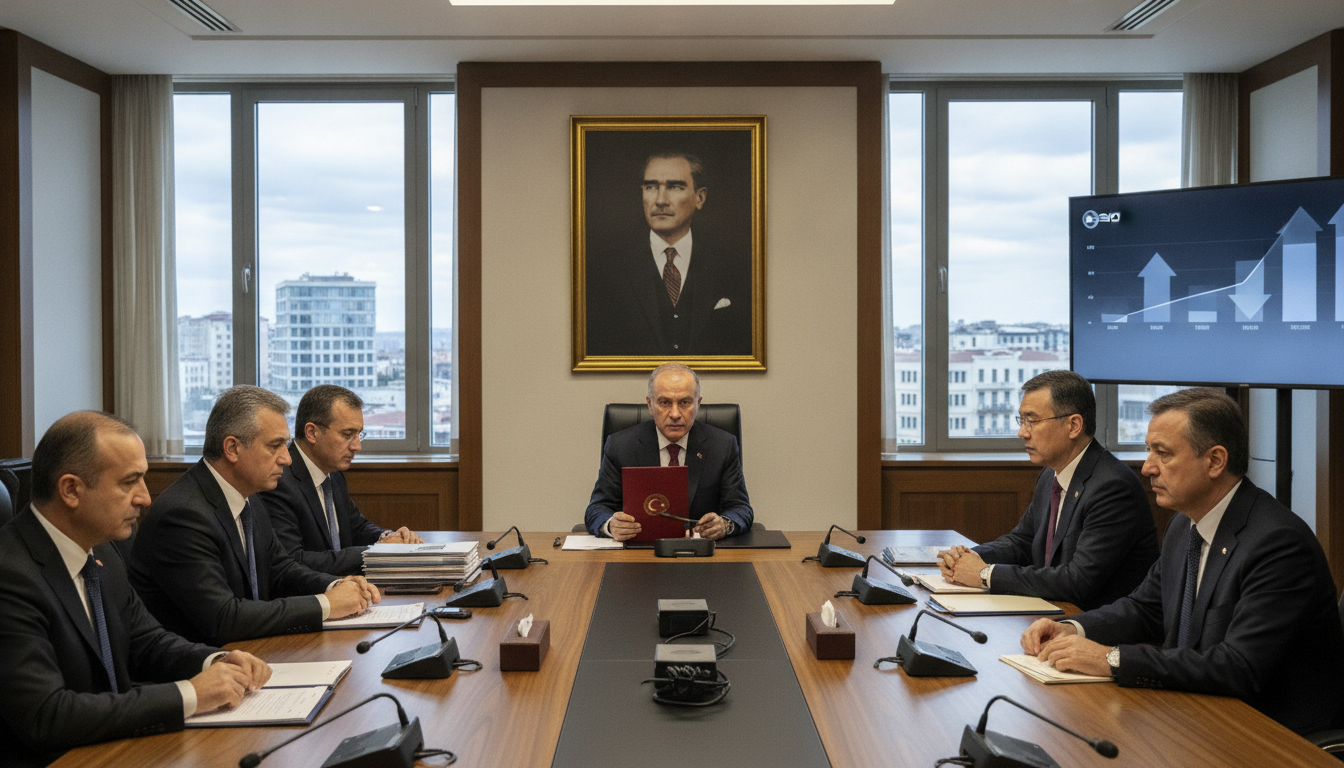
BYD Turkey plant faces tax-exemption suspension as construction stalls
Turkey suspends import tax exemptions for BYD and warns of possible $1bn repayment after the electric vehicle maker missed construction deadlines for a plant due in 2026.
The Turkish government has suspended import tax exemptions for BYD and issued a formal warning that the Chinese electric vehicle maker may be required to repay incentives if it fails to meet a $1 billion investment pledge to build local operations. The action follows months of unmet construction milestones for the facility that was scheduled to be operational in 2026, and comes as BYD continues to ship vehicles to Turkey.
Government suspends import tax exemptions
The Turkish government’s decision halts preferential import tax treatment previously extended to BYD for electric vehicle imports. Officials said the suspension is tied directly to the company’s failure to begin construction on a promised manufacturing and assembly site in Turkey.
The suspension signals Ankara’s readiness to enforce conditions attached to industrial incentives, and it raises the possibility of retroactive recovery of fiscal benefits if contractual obligations are not fulfilled. Government statements emphasize that incentives are conditional on tangible progress at the construction site.
$1 billion investment pledge and repayment warning
Turkey has set a $1 billion benchmark for BYD’s local investment commitment, according to the government notice. Officials warned that failure to start and complete agreed phases of the plant could trigger a requirement for the company to repay tax breaks and other inducements.
The repayment threat underscores Ankara’s approach of tying market access and tariff relief to concrete domestic investment outcomes. Analysts say the measure is intended to protect public money and ensure that promised job creation and technology transfer materialize.
Construction delay undermines timeline for 2026 opening
The plant was expected to be operational in 2026, but construction had not started as of the government’s announcement on June 11, 2026. Sources familiar with the matter indicated that site preparation, permitting or financing issues have contributed to the delay, though BYD has not publicly confirmed specific causes for the missed milestones.
Delays at this stage are costly because they frustrate scheduling for equipment delivery, workforce hiring and supplier contracts. The missed timeline also complicates Turkey’s wider industrial planning for the automotive and electric vehicle sectors.
Shipments continue to Kocaeli industrial hub
Despite construction setbacks, BYD has continued to export finished vehicles to the Turkish market, with shipments arriving at the industrial hub of Kocaeli. A recent vessel delivered approximately 7,000 cars to Turkish ports, reflecting persistent demand and BYD’s commercial operations in the region.
The continuation of imports while incentives are suspended creates a complex trade dynamic: Turkey seeks to balance short-term consumer access to electric vehicles with its longer-term industrial policy goals. Import volumes could influence both negotiations over the investment pledge and the practical impact of any tax recovery measures.
Industry and market implications for electric vehicles in Turkey
The dispute with BYD comes at a pivotal moment for Turkey’s ambition to expand electric vehicle production and attract battery and component supply chains. International and domestic automakers are watching closely, as Turkey has positioned itself as a regional manufacturing base with access to European markets.
For BYD, the outcome will affect its market strategy in Turkey and potentially broader ambitions in Europe. For Turkish industry, enforcing conditional incentives may set a precedent for future foreign direct investment deals, signaling that policy support will be contingent on demonstrable local outcomes.
Negotiations and potential paths forward
Diplomacy and commercial negotiation are likely to determine the next steps between Ankara and BYD. Possible resolutions include expedited construction commitments, revised timelines with stricter monitoring, partial repayments tied to specific milestones, or negotiated extensions if credible plans are presented.
Both sides have incentives to reach an agreement: Turkey wants investment, employment and technology transfer, while BYD seeks market access and scale. The specifics of any settlement will influence investor confidence and the pace of EV-related industrial activity in the country.
The suspension of BYD’s import tax exemptions and the government’s repayment warning mark a significant test of Turkey’s industrial incentive regime and of BYD’s commitment to local manufacturing. As stakeholders seek a resolution, the balance between supporting consumer EV uptake and enforcing investment conditions will remain central to policy debates and commercial strategy in Turkey’s growing electric vehicle market.

