
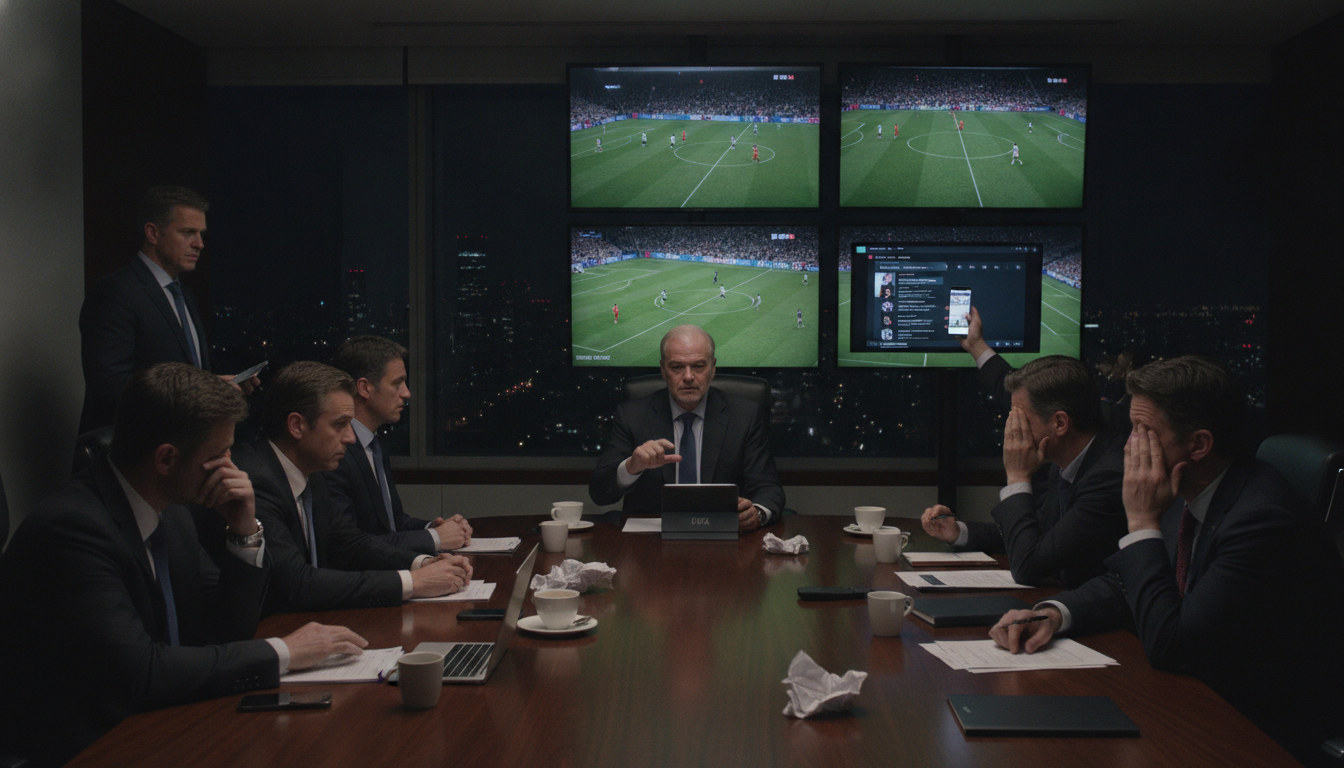
World Cup 2026: Asia’s Overnight Viewers and the Battle Over Broadcast Rights
World Cup 2026 will air overnight for many Asian viewers, forcing broadcasters to push back on rights fees as streaming reshapes viewing and advertising.
Asia’s huge television audience for the FIFA World Cup is colliding with the tournament’s North American schedule, creating a clash over the value of broadcast rights ahead of the 2026 tournament. Broadcasters across Japan, South Korea and other markets are questioning fee increases as many high-profile matches will begin in local off-peak hours. At the same time, streaming services are expanding their presence, complicating how rights are packaged and monetized.
Asia Faces Overnight Kickoffs
A substantial portion of games in the 2026 World Cup will kick off at times that translate to late-night or early-morning hours across East Asia. That shift reduces live linear viewing during prime time and forces broadcasters to rethink audience forecasts and ad inventory. Networks say that conventional ratings models do not yet capture the full value of delayed and digital viewing.
Industry analysts note that overnight scheduling changes viewer behavior rather than eliminating demand, with many fans turning to pubs, public screenings, or on-demand highlights instead of live TV. These alternative viewing patterns have different monetization profiles, often producing smaller peak audiences but higher engagement in targeted segments. The divergence between raw viewer numbers and commercial value is fueling tougher negotiations over rights fees.
Broadcasters Push Back on Rising Rights Fees
Public and private broadcasters in Asia have openly challenged proposals for sharply higher rights costs tied to the tournament, arguing that time-zone impacts should be reflected in prices. Several networks have signaled they will either pursue sublicensing arrangements or seek short-term licensing windows that leave digital exclusives to streaming partners. Executives have described current fee expectations as out of step with shifting consumption patterns.
Some broadcasters are exploring pooled or consortium bids to reduce individual exposure to high fees while preserving live coverage for their core audiences. Regulators and market observers say such collaborative approaches could become more common if rights holders do not provide greater flexibility. The standoff over fees is emerging as a central issue for how FIFA and local media companies split the revenue cake.
Streaming Platforms Expand Offerings and Flexibility
Streaming services see an opportunity in the time-shifted nature of many World Cup matches and are tailoring products to capture global fans who no longer rely solely on linear schedules. Platforms can offer multi-angle feeds, condensed matches, and personalized highlights that retain engagement even when live hours are inconvenient. Those features are attractive to younger viewers and advertisers seeking more precise targeting.
However, streaming rights often cost more to secure and depend on robust infrastructure to serve concurrent viewers during marquee matches. Some streaming providers are prepared to bid for packages that include exclusive digital rights while leaving limited linear windows to traditional broadcasters. This mix of exclusivity and shared access is changing the conventional broadcaster–rights-holder relationship.
FIFA’s Revenue Strategy Under Pressure
FIFA traditionally relies on a combination of broadcast, sponsorship and ticketing revenue, with broadcast deals representing a major component of its income. The organization faces a complex balancing act in 2026: maximizing total revenue while ensuring broad distribution that keeps the tournament visible in its largest markets. Pressure is mounting to adopt more nuanced pricing and packaging to reflect time-zone impacts and digital consumption.
FIFA has signaled in past negotiations a willingness to explore varied rights packages and to accommodate different market structures, but exact terms remain subject to talks with regional broadcasters and platform operators. Observers caution that a hard line on fee increases could drive some markets toward fragmented access, which would reduce the tournament’s cultural reach even if short-term revenues rise.
Japan and South Korea Adapt Local Strategies
In Japan and South Korea, broadcasters and advertisers are testing layered approaches that combine free-to-air highlights, pay-per-view digital options, and sponsored public screenings to maintain fan engagement. Public viewing events and corporate watch parties are expected to play a larger role in sustaining mass attention during inconvenient kickoff times. These events also offer alternative sponsorship and experiential revenue streams.
Commercial partners in both countries are recalibrating media plans to emphasize brand exposure across linear, digital and out-of-home environments. Advertisers told networks they will favor platforms that can demonstrate measurable engagement beyond traditional ratings. Local rights holders are increasingly emphasizing flexibility to accommodate different advertiser goals.
Impacts on Advertisers and Sponsorships
Advertisers face a shifting landscape as global brands weigh the trade-offs between reach and engagement in time-shifted broadcasts. Prime-time ad slots may shrink in value for certain markets, while targeted digital placements and sponsored content become more attractive. Agencies are urging clients to adopt multi-platform strategies to capture fans across live, delayed and social channels.
Sponsors are also reassessing activation plans that once relied on broad linear audiences and mass-market exposure. Many now seek data-driven returns on investment that streaming and digital platforms can provide. The evolving sponsorship environment may favor brands that can execute integrated campaigns across multiple viewing contexts.
As talks continue between rights holders, broadcasters and streaming platforms, the core challenge remains reconciling the commercial value of a global sporting event with the realities of time zones and changing media habits. The outcome of negotiations for World Cup 2026 broadcast rights will shape how millions of Asian fans experience the tournament and how broadcasters and advertisers plan for future global sports rights.

