
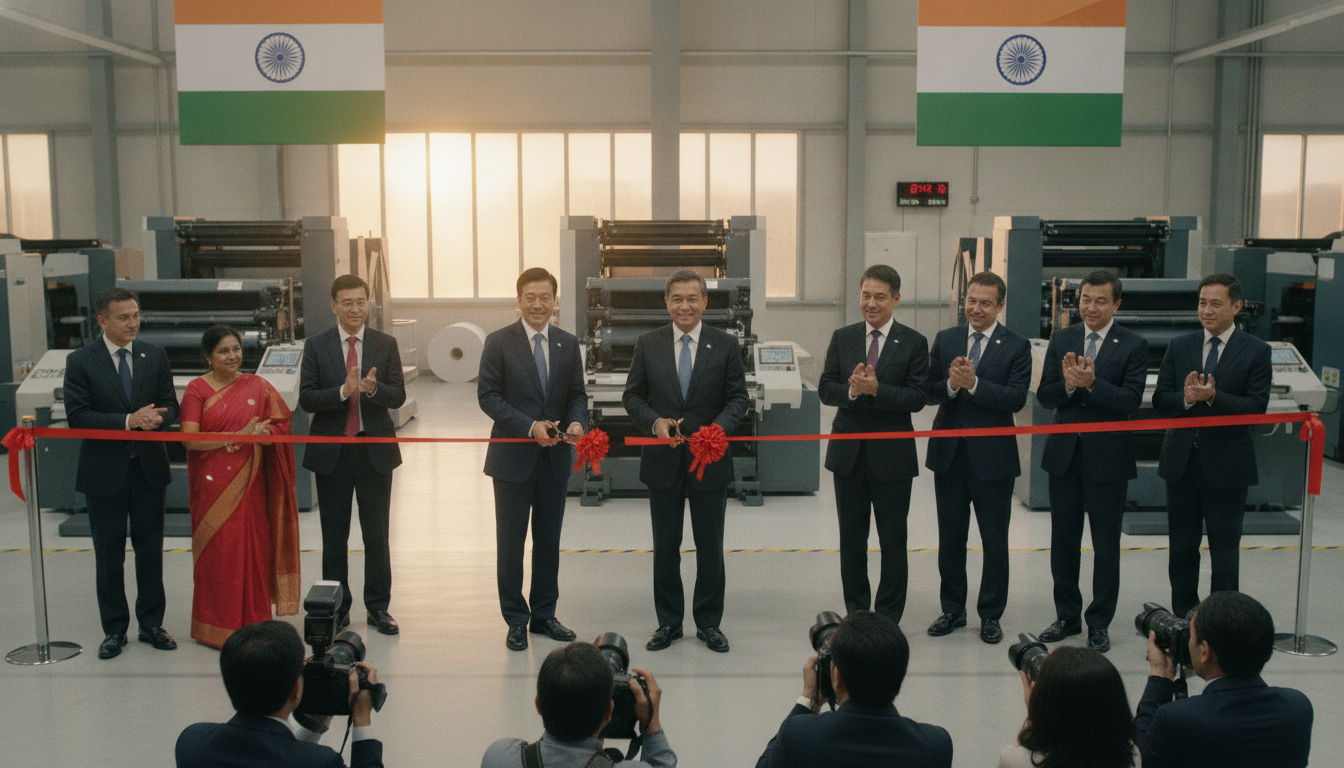
Kodansha to Launch Manga Printing Operations in India
Kodansha will open India’s first major manga printing operation to cut costs, broaden distribution and meet growing demand for English and regional editions.
Japan’s Kodansha said it will establish a local company to print manga in India, becoming the first major Japanese publisher to set up printing operations there, Nikkei reported. The move is aimed at reducing the reliance on U.S.-printed English volumes that are currently shipped into India and sold at substantially higher prices than in Japan.
Kodansha to establish local printing subsidiary
Kodansha’s decision reflects a strategic pivot toward on-the-ground production in one of Asia’s fastest-growing markets for Japanese content. Setting up a printing arm in India will allow the publisher to move from importing U.S.-printed English editions to producing volumes closer to consumers.
Company officials cited by industry sources said the local entity will handle physical printing and packaging, enabling quicker restocking of popular series. The new operation is also expected to offer a platform for expanding locally tailored editions and printed regional-language releases.
Pricing and distribution effects in India
Current supply chains for English-language manga in India often involve export from the U.S., adding freight, duties and distributor margins that push retail prices well above Japanese levels. Retailers and readers in India frequently report that U.S.-printed volumes sell for roughly three times the cost of equivalent editions in Japan.
By producing books domestically, Kodansha aims to materially lower unit costs and shorten delivery times to bookstores and online sellers. Lower retail prices could widen the market beyond urban collectors to more mainstream readers and school-age buyers.
Demand drivers for English and regional editions
Publishers point to rising interest in Japanese animation, streaming adaptations and social-media-driven fan communities as key demand drivers. English-language manga serves a large segment of urban and aspirational readers, while regional-language translations represent a substantial untapped audience across India’s many linguistic markets.
Kodansha’s local printing plan is intended to support a broader push into both English and regional-language editions, with the potential to accelerate translations and localized marketing. Observers say more affordable physical volumes would complement digital subscriptions and help build long-term readership.
Operational and logistical considerations
Establishing a printing facility or contracting local presses involves practical challenges, including paper sourcing, print quality standards and supply-chain resilience. Kodansha will need to ensure consistent reproduction of artwork and paper finishes to meet both domestic and export-level expectations.
The publisher is likely to evaluate partnerships with established Indian printers and logistics providers to manage warehousing and distribution. Negotiations around import duties for printed matter, staffing skilled production teams and aligning quality-control processes will shape the timeline for the operation to become fully functional.
Implications for other publishers and retailers
Kodansha’s move could trigger competitive responses from other Japanese publishers that currently rely on overseas printing and export models. Local production reduces vulnerability to shipping delays and global freight volatility, advantages that rival firms may seek to replicate.
Bookstores and e-commerce platforms in India could see steadier supplies and more aggressive promotional pricing, supporting sales growth across urban and smaller-city markets. Industry analysts say the shift may also encourage investment in translation and licensing for titles that have not previously been widely available in India.
Regulatory and market timing considerations
The exact timetable for launching print operations has not been publicly disclosed, and Kodansha faces procedural steps such as company registration, equipment procurement and regulatory clearances. Local employment, import-export rules for printing machinery and customs classifications will be practical factors shaping the rollout.
Market observers expect an incremental approach: initial runs for best-selling series, followed by expansion into broader catalog titles and regional-language projects. Early local printing volumes will be closely watched for pricing impacts and consumer response.
Kodansha’s decision to bring manga printing to India reflects a broader industry trend toward localization of physical-media production to better serve regional markets. If successful, the move could make manga more affordable and widely available across India, supporting sustained growth in readership and creating new commercial opportunities for publishers, translators and retailers.

