
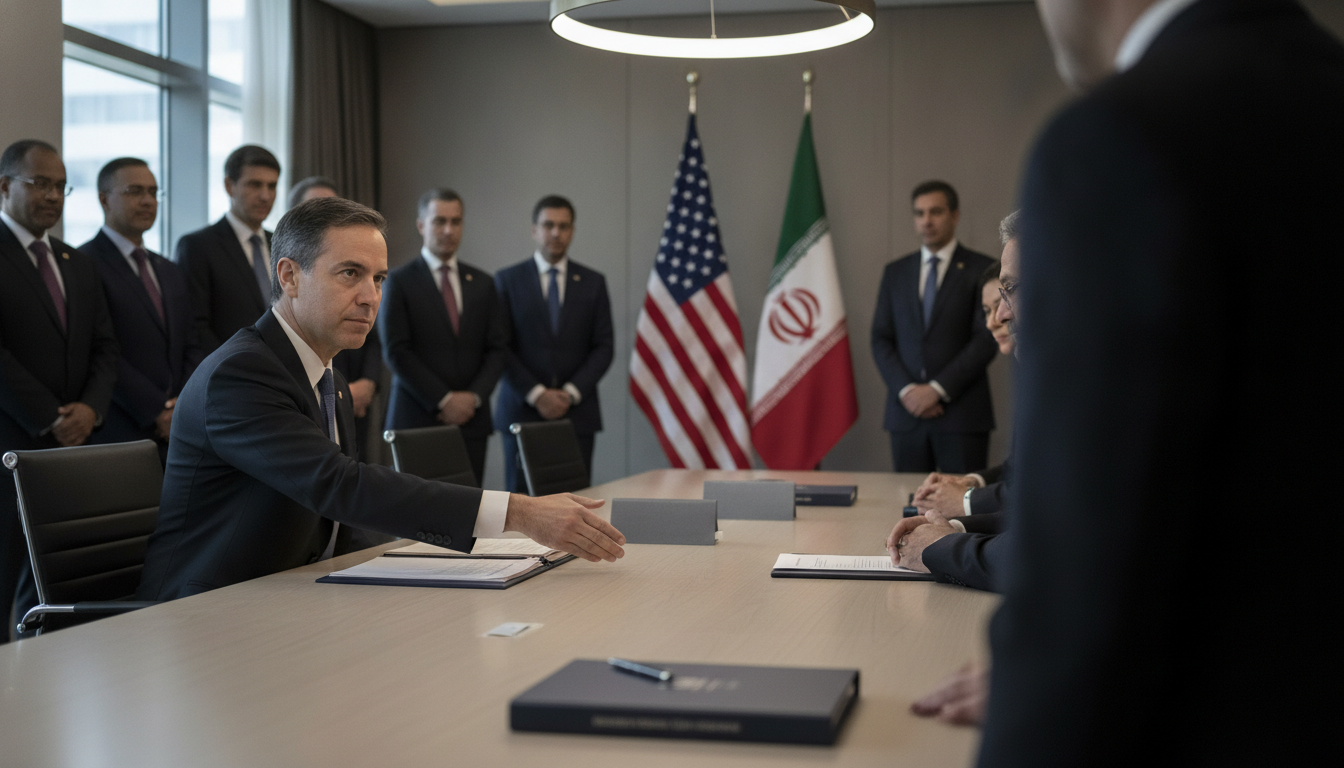
US-Iran agreement announced by Trump to end hostilities, but path to final deal remains uncertain
Trump announced a US-Iran agreement on June 14 to end hostilities and begin talks on nuclear and security issues, but gaps and Israel’s stance cloud prospects.
President Donald Trump on June 14 announced that the United States and Iran have reached an agreement aimed at ending active hostilities, and Iranian officials said they had finalized the content of a joint memorandum. The US-Iran agreement signals a shift from open confrontation to a negotiated process, with both sides agreeing to resume detailed talks on nuclear development and regional security issues. Despite the announcement, significant disagreements remain and the route to a durable, legally binding settlement is unclear. Observers say the pace and outcome of the follow-up negotiations will shape regional stability and global markets.
Sequence of events that led to the memorandum
In recent months the conflict between Washington and Tehran escalated from diplomatic rupture to direct military confrontation, culminating in strikes that heightened regional tensions. US forces and Iranian-aligned units exchanged attacks and Iran implemented measures that disrupted shipping through the Strait of Hormuz, raising global energy market fears. The announcement on June 14 followed intensive behind-the-scenes diplomacy and public pressure on both governments to curb economic and political fallout. Domestic reactions in the United States, including rising fuel costs and political strain, helped push the administration toward seeking a negotiated pause.
Why the Trump administration moved from force to negotiation
The White House framed the memorandum as a concrete outcome that would restore free navigation through strategic waterways and remove immediate military blockades. Analysts say strategic, economic and political factors combined to make prolonged confrontation costly for the United States, forcing a reassessment of tactics. The administration’s earlier emphasis on maximal pressure gave way to narrower, issue-focused bargaining over nuclear controls and security guarantees. Officials in Washington described the memorandum as a first step rather than a final treaty, emphasizing further negotiations will be required.
Key elements reported in the memorandum and next steps
Both sides described the memorandum as a framework that halts open fighting while setting terms for subsequent negotiations over technical and compliance issues. The agreement reportedly prioritizes immediate de-escalation measures, restoration of shipping lanes and the establishment of a timetable for discussions on nuclear activity and inspections. Diplomats said working groups will convene to translate broad commitments into detailed protocols, timetables and verification mechanisms. Parties agreed to continue talks, but sources warn that translating a political memorandum into enforceable arrangements will be complex and time-consuming.
Persistent gaps on nuclear verification and compliance
Central to the contested agenda are questions over the scope of Iran’s nuclear activities and the robustness of verification mechanisms acceptable to both sides. Tehran seeks relief from sanctions and guarantees against future military strikes, while Washington insists on intrusive inspection and irreversible limits on enrichment capacity. These positions have deep legal and technical implications and will test the willingness of both capitals to compromise. Observers note that any final agreement must include clear compliance benchmarks and independent monitoring to reduce the risk of renewed confrontation.
Regional reactions with Israel in the spotlight
Israel’s response is expected to be a decisive factor in the broader political environment surrounding the agreement, as Jerusalem has repeatedly signaled strong opposition to restrictions perceived as weakening deterrence. Israeli leaders have warned that any deal that leaves Iran’s long-term nuclear potential intact would be unacceptable, raising the prospect of unilateral action or renewed pressure on US negotiators. Other Gulf states and European partners are cautiously hopeful about reduced violence but skeptical until verification regimes are established. The memorandum’s durability will depend in part on whether regional actors can be reassured through security guarantees and diplomatic outreach.
Economic and diplomatic implications for Japan and global markets
The announcement immediately eased some market anxieties by promising the reopening of crucial shipping routes, which could help stabilize oil supply and prices if implemented. For Japan, which relies on stable access to Middle Eastern oil, even a temporary reduction in shipping risk can have near-term benefits for energy procurement and inflationary pressures. Diplomatically, Tokyo may find opportunities to support multilateral verification efforts and humanitarian confidence-building measures. Yet analysts caution that markets and governments will remain sensitive to any signs of backsliding during the next phase of talks.
The United States and Iran now face a delicate period in which political rhetoric must be converted into technical agreements and credible verification. Negotiators will need to bridge substantial trust deficits, reconcile conflicting security priorities, and secure buy-in from regional actors whose reactions could either stabilize or derail the process. The June 14 memorandum is a notable step toward reducing immediate violence, but whether it becomes the foundation for a lasting settlement will depend on the substance of the forthcoming negotiations and the mechanisms set up to enforce them.

