
Tokyo summer festivals: fireworks, Tanabata and lantern rituals to watch in July
Tokyo summer festivals guide: where to see fireworks, Tanabata decorations, Yoyogi Park markets and lantern rituals in July. Dates, tips, transport advice for visitors.
July ushers in the main stretch of Tokyo summer festivals, bringing fireworks displays, traditional matsuri, and neighborhood celebrations across the city. The Tokyo summer festivals season includes headline events such as the Sumida River Fireworks, Tanabata decorations in Asakusa, and a packed program at Yoyogi Park. This guide outlines dates, locations and practical advice for attending the major July events without missing key details.
Sumida River Fireworks Lead Tokyo’s July Displays
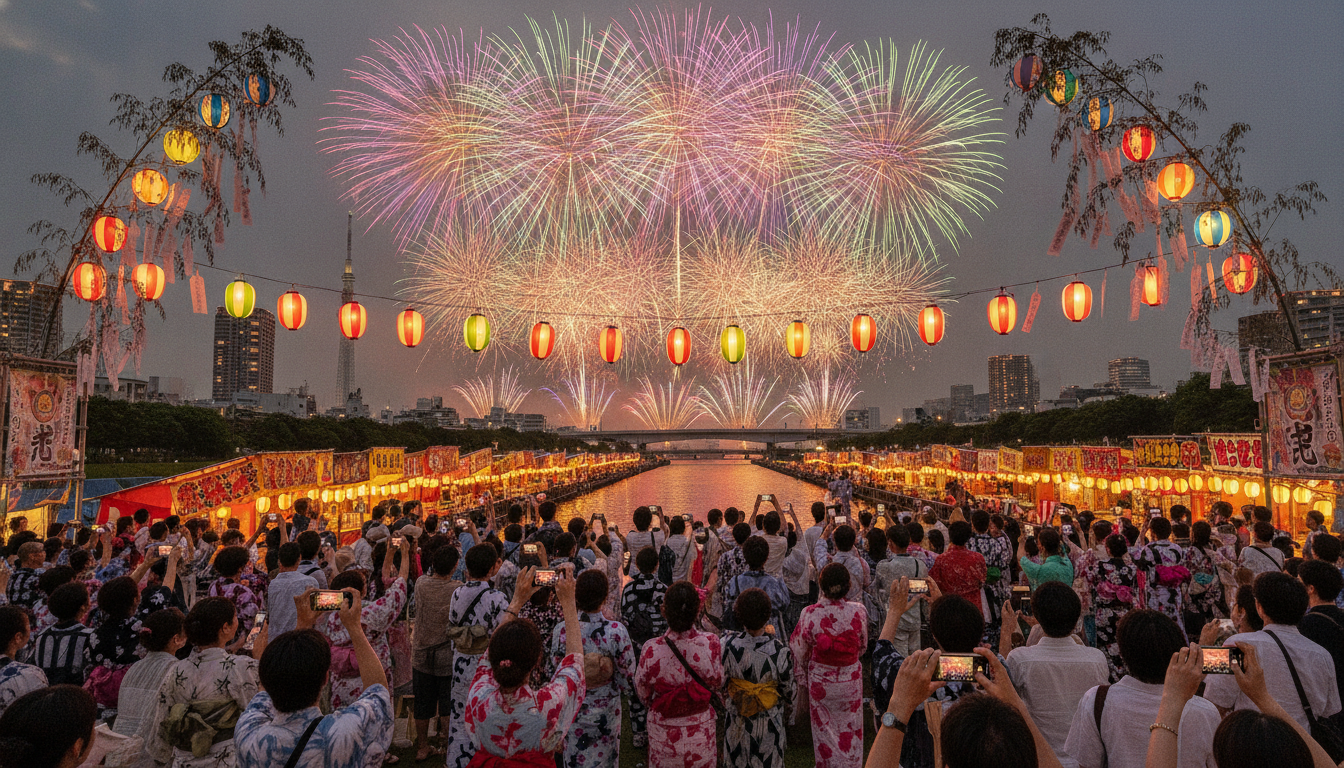
The Sumida River Fireworks on July 25 is the marquee fireworks event that draws large local and visitor crowds to the riverside. Alongside Sumida there are several mid-sized and smaller fireworks shows across Tokyo and neighboring wards on the same or adjacent nights. Fireworks seasons are busy and transport around event sites fills early, so plan travel and meeting points in advance.
Spectators traditionally wear summer yukata to these displays, and many bring picnic mats and baskets to stake out a viewing spot along the riverbanks. Organized viewing areas, rooftop parties and paid seats are offered by some operators, while many attendees watch from public embankments. Expect restrictions on alcohol in certain zones and increased police presence near river crossings and station exits.
Weather has a direct impact on how fireworks events proceed, with some shows moved or cancelled for heavy rain or typhoon conditions. Organizers typically publish contingency updates in the days before each display, so check official announcements and local transport advisories. If you arrive early, use the time to enjoy festival food stalls that line approach routes to viewing locations.
Tanabata Celebrations Return Across Central Tokyo
Tanabata, observed around July 7 in most places, revives an old folk legend about two lovers meeting across the Milky Way once a year. Streets, shrines and shopping arcades are decorated with colorful streamers and handmade paper ornaments, and visitors are invited to write wishes on small strips of paper called tanzaku. Major Tanabata events in Tokyo include large displays in Asakusa and community festivals in neighborhoods such as Shonan, with some celebrations extending into August.
The atmosphere at Tanabata festivals leans toward family-friendly activities, traditional music performances and crafts stalls selling seasonal treats. Decorations can range from simple bamboo branches adorned with wishes to elaborate hanging displays that transform commercial streets into vivid tunnels of color. For a quieter experience, visit smaller ward events early in the evening when crowds are lighter and shrine rituals are still ongoing.
Photographers and culture enthusiasts should note that timing matters; decorated streets are most photogenic in the afternoon light and again after dusk when paper lanterns add glow. If you want to participate, bring a pen and a small slip to record a wish, or buy a tanzaku at the venue and follow local instructions for attaching it to bamboo. Many community groups welcome foreign visitors and will explain local customs on request.
Yoyogi Park Hosts Seasonal Markets, Music and Food
Yoyogi Park’s Events Square becomes a hub for summer festivals throughout July, hosting an eclectic mix of markets, cultural fairs and international food gatherings. Early in the month the Star and Sun Market and Earth Garden offer eco-friendly goods, sustainable food stalls and artisan vendors. Later in July the Brazil Festival brings live music, regional Brazilian cuisine and dance performances that transform the park into a lively outdoor arena.
Event organizers at Yoyogi typically schedule daytime markets that extend into the evening hours for live concerts and DJ sets, creating opportunities for both daytime family visits and nighttime socializing. The park’s open grass areas provide space for picnics and pop-up stages, while food trucks and stall rows make it easy to sample a range of dishes. Accessibility is straightforward via Harajuku and Yoyogi Park stations, but local entrances can become congested during headline performances.
Attendees should arrive with cash on hand and a reusable bag for purchases, as some small vendors accept only cash or electronic payment systems that are region-specific. For those seeking quieter corners, early mornings during market set-up or weekday afternoons offer a more relaxed pace. Keep an eye on official event pages for performance schedules and any changes to start times.
Shinjuku Eisa and Mitama Matsuri Draw Traditional Crowds
The Shinjuku Eisa Festival on July 25 brings Okinawan eisa dance troupes to central Tokyo, offering a high-energy display of drums, chanting and traditional sanshin music. Performers wear vivid costumes and move in coordinated formations that highlight Okinawa’s cultural rhythms in a metropolitan setting. The program is popular with locals and tourists alike, and the performance zones around Shinjuku attract standing crowds, so viewers should arrive early for the best vantage points.
Mitama Matsuri at Yasukuni Shrine runs from July 13 to July 16 and is famed for tens of thousands of lanterns that line the pathways leading to the shrine. The visual impact of the lanterns is particularly strong after dark when the approach glows with warm light and festival stalls attract summer visitors in yukata. Note that Yasukuni Shrine remains a politically sensitive site, and visitors should be aware of its historical associations while attending the festival.
Both festivals provide strong opportunities to experience regional Japanese traditions without leaving Tokyo, from Okinawan drumming to Obon-era spirit observances. Festival organizers generally offer stage schedules, craft and food stalls, and guidance for visitors about where to stand or sit. For crowded venues, identify meeting points with your group and have a backup plan for mobility-impaired visitors who may need priority access or seating.
Chidorigafuchi Lantern Floating and Boat Lottery Details
The Chidorigafuchi Moat Lantern Floating Festival takes place near the Imperial Palace and is best known for small paper lanterns set adrift on the water, creating a shimmering procession. The event runs across a limited number of nights in late July, with organized boat rides available by lottery for those who wish to float lanterns directly from the boat. For those not on a boat, lanterns can usually be purchased and written on at the venue for a smaller fee and then released by staff or placed on display.
Boat participation typically requires a prior lottery application and paid seat, with premiums that reflect the limited capacity of each vessel. Purchasing and inscribing a lantern in advance is an economical alternative to ensure participation in the ritual even if you cannot secure a boat ticket. Organizers usually provide clear instructions at the venue about where to buy lanterns, how to inscribe messages, and the schedule for floating to avoid crowding at the water’s edge.
Photographers should be mindful of low-light conditions and limited tripods at this event, and remember that the focus of the festival is ritual and reflection rather than spectacle. Respectful behavior is expected as the lanterns are part of a memorial and purificatory tradition tied to local observances. Arrive early to queue for lantern purchases or to join the lottery process for boats, as demand is high and allocations are limited.
Narita Gion and Enoshima Tenno Offer Regional Matsuri Experiences
The Narita Gion Festival, held from July 10 to July 12, is a centuries-old celebration featuring towering floats, portable shrines and evening illuminations. The procession through Narita’s town center includes traditional music, festival choreography and float displays that reflect a 300-year history. The event is accessible from central Tokyo and can be combined with a day trip to the Narita area, which also provides a convenient itinerary for visitors arriving via Narita Airport.
On July 12 the Enoshima Tenno Festival presents a distinctive coastal ritual where a mikoshi portable shrine is paraded through town and briefly carried into the sea for purification. The procession includes blessings, purification rites and musical accompaniment and offers a vivid example of how local shrines combine maritime culture and Shinto rites. Both Narita and Enoshima festivals are free to enter and provide immersive opportunities to observe traditional float-handling and community-led ceremonies.
When planning a day trip to regional matsuri, factor in train schedules and return options, especially in the evening when special festival trains or crowded platforms may delay travel. Local accommodations and restaurants can fill quickly during festival weekends, so book in advance if you expect to stay overnight. These regional events are ideal for visitors seeking a deeper historical context for Tokyo-area festival culture and for photographers looking for traditional float and shrine imagery.
Practical Tips for Attending Tokyo Summer Festivals
Expect large crowds at major festivals and plan arrival and departure times to avoid the heaviest flows through stations and bridges. Bring small bills and coins for food stalls, shrine offerings and small purchases, as many vendors still prefer cash for quick transactions. Dress for the heat with breathable clothing and sun protection, and consider bringing a compact umbrella or light rain jacket for sudden summer showers.
If you intend to wear a yukata, reserve time for dressing and consider a professional rental service that includes dressing assistance to ensure comfort and mobility. For events with boat lotteries or ticketed viewing areas, check registration windows and purchase deadlines early in the month to avoid sold-out situations. Respect local rules about standing or sitting in restricted areas, refrain from blocking walkways, and follow guidance from event staff and police officers.
For visitors relying on public transport, use the official railway apps and station announcement boards to track service changes, and allow extra time for transfers. Consider walking between festival zones where feasible to absorb neighborhood atmospheres and discover smaller stalls and performances. Keep a portable charger for phones, and exchange contact details with your group in case reception is poor near crowd-heavy venues.
Safety, Accessibility and Responsible Festival Behavior
Festival organizers emphasize visitor safety through clear signage, crowd control barriers and first-aid tents at most major sites. If you have mobility needs, contact event organizers in advance to confirm accessible routes, designated viewing areas, and restroom availability. Local volunteer teams and ward offices often provide information centers at larger festivals to assist visitors with directions, lost-and-found services and language support.
Be considerate about photography during ritual moments and avoid using flash near performers or shrine ceremonies. Dispose of waste responsibly at the numerous collection points provided by municipalities and vendors, and bring a small bag for recyclables and trash when a bin is not immediately available. Drinking in public is generally accepted at festival sites, but be aware of local restrictions and keep group behavior respectful to residents.
Finally, stay informed about weather and transport advisories in the days leading up to each festival, and prepare contingency plans if events are postponed or altered. Local ward and tourism boards typically publish last-minute updates on official channels, and checking these sources can save time and frustration on the day. Being flexible and planning ahead will deliver the best experience across Tokyo’s compact but intense summer festival calendar.
These Tokyo summer festivals present a concentrated window to experience seasonal culture, community rituals and outdoor entertainment across the city and nearby towns. From riverbank fireworks and bamboo wishes to lantern-lit moats and coastal mikoshi processions, July’s events offer both spectacle and quiet ritual for visitors and residents alike. Plan early, travel smart, and allow time to soak in the local atmosphere beyond headline sites for a fuller festival experience.

