
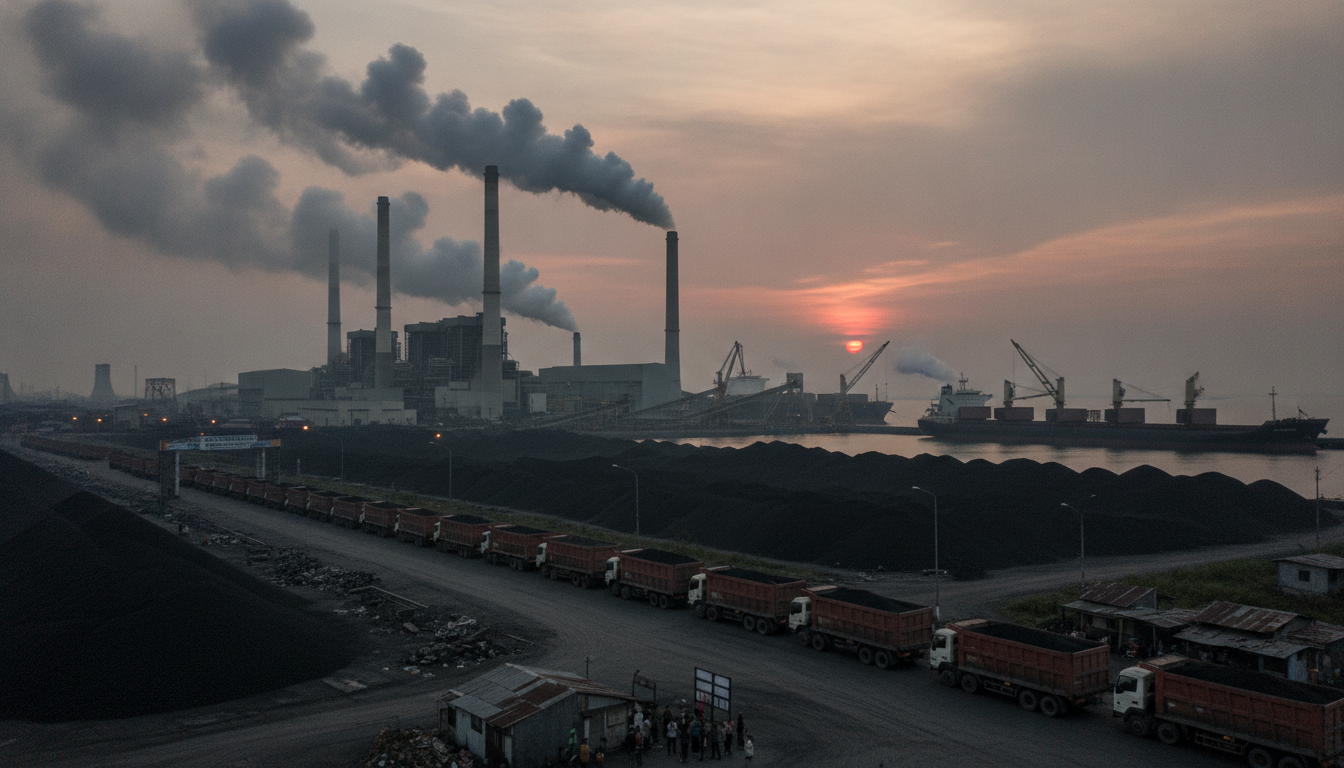
Indonesia coal shortages threaten wider power crisis as miners export abroad
Indonesia coal shortages risk a deeper power crisis as miners export supply, straining power plants and prompting calls for enforcement and market reform.
Indonesia coal supply shortfalls are raising alarms about a potential escalation beyond the rolling blackouts that disrupted several regions in recent weeks. Industry executives and energy experts say mismanagement of coal flows to coal-fired power stations — which provide more than two-thirds of the country’s electricity — has left plants vulnerable to fuel shortages. The shift by some producers to prioritise higher-priced exports over domestic deliveries has intensified concerns about grid stability and energy security.
Coal supply shortfalls threaten power stations
Power plants reliant on domestic coal stocks report shrinking reserves and falling days-of-stock that weaken their ability to ride through supply interruptions. Operators told regulators that shipments have been delayed or diverted, forcing some plants to reduce output or cycle generation to conserve coal.
System operators warned that lower inventories heighten the risk of extended outages if the supply situation deteriorates, particularly during periods of peak demand. The reliance on coal-fired generation means sustained shortfalls would have immediate effects on both household electricity and industrial customers.
Miners choose export markets despite domestic obligations
Observers say a growing number of producers are selling to international buyers where prices are more attractive, even when that risks triggering fines or penalties at home. Several industry sources indicate that the economics of export sales, combined with loopholes and weak enforcement, have made overseas markets more profitable than meeting domestic supply contracts.
Regulatory frameworks that require a share of production for the domestic market are in place, but traders and miners can sometimes tap brokerage and logistics channels that circumvent intended flows. The imbalance between export incentives and domestic supply obligations is a central reason analysts cite for the current dislocation.
Logistics and contract management worsen deliveries
Beyond commercial incentives, logistical bottlenecks and contract mismanagement have contributed to deliveries falling short of power plant requirements. Port congestion, mismatched coal quality, and short-term contracting practices made it harder for utilities to secure reliable, timely consignments that meet technical specifications.
These supply-chain shortcomings amplify the effects of export diversion, as even coal that remains in the system may be unusable without the right calorific value or adequate handling. Industry executives warn that addressing logistics and contract clarity is critical to restoring steady flows to critical power stations.
Government measures face enforcement hurdles
Authorities have signalled a readiness to impose fines, require additional reporting and adjust domestic market obligations to secure more coal for power generation. Officials have also discussed emergency procurement and the use of strategic reserves to smooth short-term shortages at affected plants.
However, implementation faces challenges. Enforcement resources, legal appeals from companies, and the complexity of tracking cross-border shipments limit how quickly rules can be translated into increased domestic deliveries. Energy officials acknowledge the tension between preserving export revenues and ensuring affordable, reliable electricity for consumers.
Economic and social impacts are widening
The immediate consequence of constrained coal supplies has been tighter electricity availability for industries and households, with manufacturing plants citing reduced output and some factories curtailing shifts. Economists warn that prolonged or repeated supply disruptions would add to production costs, supply-chain delays and inflationary pressures across the economy.
Households outside major urban centres remain particularly exposed to intermittent service, with small businesses and public services more likely to bear the costs of limited power. The political sensitivity of sustained outages could also increase pressure on policymakers to act quickly and transparently.
Calls mount for market reform and diversification
Energy analysts and some executives are urging reforms to reduce reliance on coal-fired generation and to strengthen the rules governing domestic supply. Suggestions include clearer pricing mechanisms that make domestic sales more competitive, stronger monitoring of export flows, and faster penalties for contract breaches.
Longer-term recommendations emphasise investment in diversified generation, grid resilience and a phased integration of renewables to lower dependence on a single fuel. Stakeholders say that without structural changes to both market incentives and enforcement, ad-hoc fixes will only postpone recurring crises.
The situation facing Indonesia’s power system underscores the fragility that can arise when commercial incentives and regulatory design are out of alignment. Restoring stable coal deliveries to plants and accelerating policy measures to diversify supply will be key to preventing this episode from becoming a protracted energy emergency.

