
Lam Wing-kee dies in Taipei at 70, prompting renewed debate over press freedom
Lam Wing-kee, former Causeway Bay Books manager, has died in Taipei at 70. His detention by China and Taiwan’s response renewed questions about cross‑strait treatment of dissident publishers.
Lam Wing-kee, a prominent bookseller linked to Causeway Bay Books, has died in Taipei at the age of 70, officials and media outlets reported. Lam’s detention by mainland Chinese authorities over the sale of banned books made him a central figure in debates over freedom of expression across Hong Kong, Taiwan and the mainland.
Background of the bookseller’s prominence
Lam rose to public attention as a manager at Causeway Bay Books, a Hong Kong bookstore known for stocking titles critical of mainland Chinese leaders. The shop and associated publishers became focal points for discussions about the limits of political expression in and beyond Hong Kong.
Over the years Lam was widely associated with efforts to sell books that explored the inner workings of mainland politics, a business that drew scrutiny from Beijing. His case became emblematic for many observers who saw the bookstore and its staff as barometers of press and publishing freedoms in the region.
Detention and international attention
Lam’s detention by mainland authorities was cited by advocates as part of a broader campaign against vendors and publishers that circulated politically sensitive material. The circumstances around his detention attracted international attention and prompted questions about legal process and cross‑border law enforcement.
Human rights and press freedom groups highlighted the case as an example of the risks facing booksellers and publishers who deal with politically sensitive topics. The episode prompted legislative and diplomatic scrutiny, particularly in jurisdictions where free expression is legally protected.
Taiwan leadership response
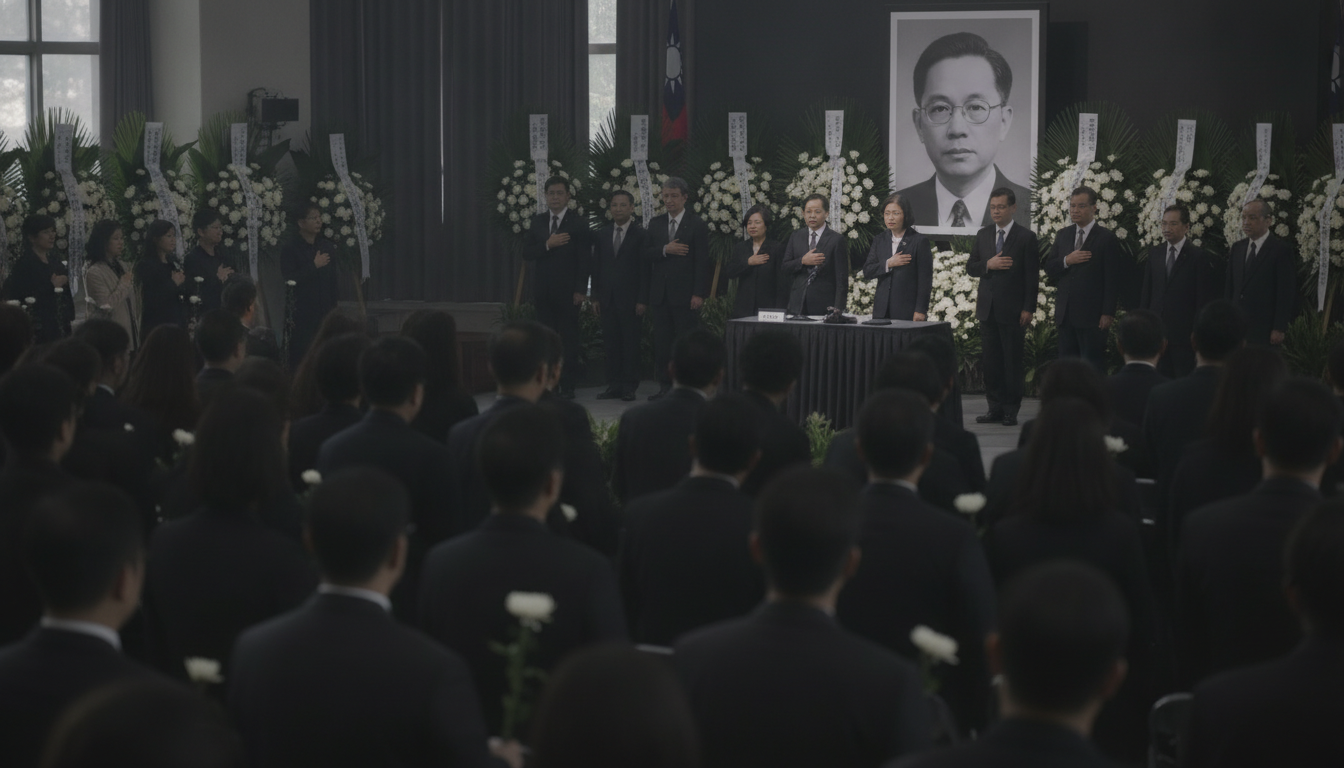
Taiwan’s president publicly acknowledged Lam’s passing and framed his experience as a reminder of the stakes involved in defending free expression. Officials in Taipei paid tribute to Lam’s role in drawing attention to the pressures faced by dissident publishers and booksellers.
Taiwanese leaders emphasized the importance of safeguarding press freedom and sheltering those who have faced persecution. Lam’s residence and activities in Taiwan in later years had made him a visible figure in the island’s community of exiled or relocated publishers.
Reactions from Hong Kong and activist groups
In Hong Kong, responses were mixed as residents and civic groups reflected on Lam’s life and the broader significance of his case. Press freedom advocates offered condolences and reiterated calls for the protection of independent publishing and bookselling.
Regional and international nongovernmental organizations used Lam’s death to underscore ongoing concerns about self‑censorship, legal changes and the safety of media and literary professionals. Activists cited his experience as a cautionary tale for those operating at the intersection of commerce and political commentary.
Symbolic role in cross‑strait and regional debates
Lam’s case remained frequently invoked in discussions about relations between mainland China, Hong Kong and Taiwan. His experiences were framed both as individual hardship and as symptomatic of the wider contest over information and political dissent in Greater China.
Observers noted that Lam’s life highlighted the transnational dimensions of publishing, law enforcement and human rights advocacy. His presence in Taipei and the responses from Taiwanese officials illustrated how such individual stories can shape policy debate and public sentiment beyond local boundaries.
Legacy for publishers and booksellers
For many in the publishing community, Lam’s legacy will be measured by the attention his case drew to the vulnerabilities of small bookstores that sell politically sensitive material. Industry voices called for stronger protections for publishers and clearer international mechanisms to address extrajudicial detentions or cross‑border legal ambiguities.
Colleagues and observers said Lam’s story will remain a reference point in debates over how democracies and semi‑autonomous jurisdictions should respond when publishing conflicts cross maritime and legal boundaries. His death revives those conversations at a time when regional dynamics around media freedom remain contested.
Lam Wing-kee’s death closes a chapter in a long, contentious story about the limits of publishing and dissent in the Chinese‑speaking world, but it also renews the questions about how governments, civil society and the international community will protect the rights of booksellers and authors who challenge political orthodoxies.

