
Laopu Gold Faces Investor Backlash as Shares Fall About 60% Amid Metal Slump and Rival Pressure
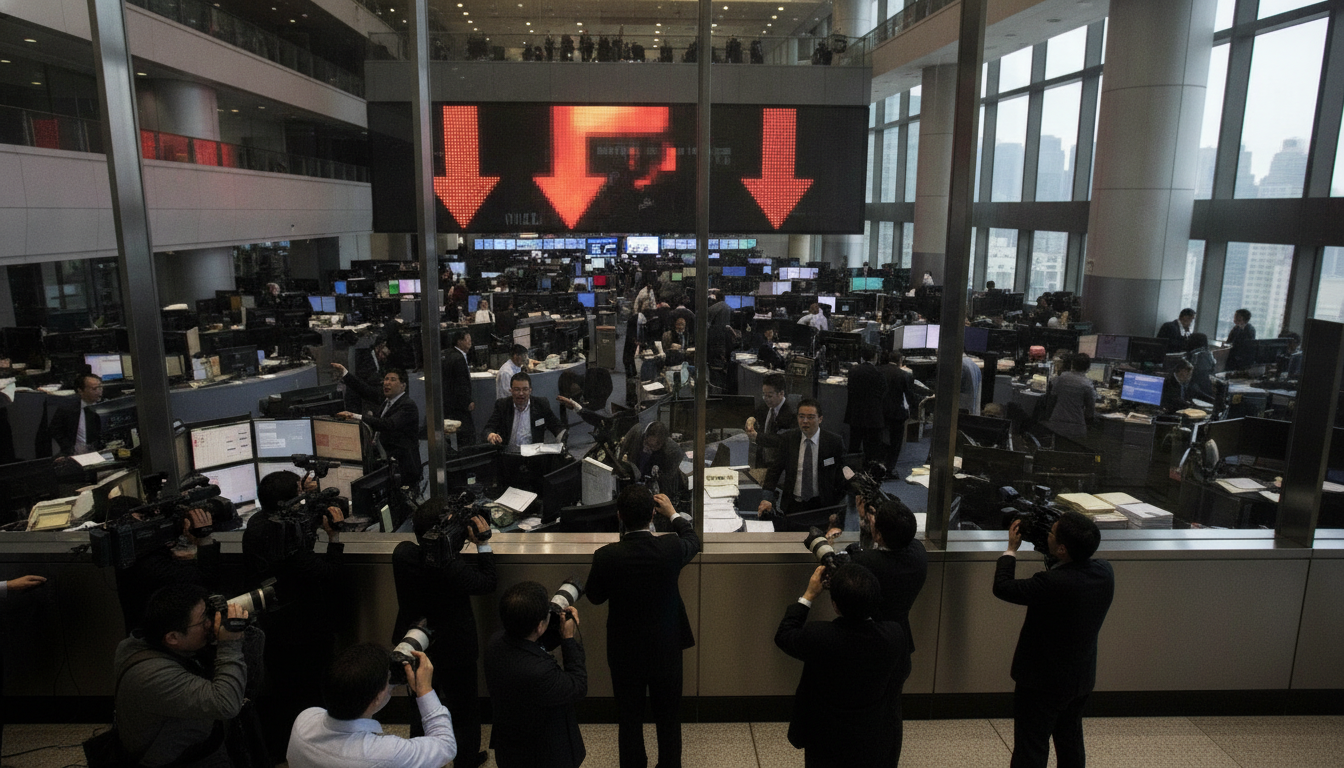
Laopu Gold shares have tumbled about 60%, a steeper decline than peers and the metal itself, as falling global gold prices and aggressive competition test the Chinese jeweller’s premium positioning.
Laopu Gold, the Chinese jewellery upstart often dubbed the “Hermes of gold,” has seen its market value erode sharply as a global slide in bullion prices coincides with intensified competition from lower-cost rivals. Shares have fallen roughly 60%, a drop that market watchers say outpaces both listed jewellery peers and the retreat in the underlying commodity, putting pressure on the company’s claim to a premium brand. The sell-off has renewed questions over whether Laopu’s heritage materials and motif-driven design language can sustain a luxury margin in a tougher market.
Share performance outpaces peers and bullion
Shares in Laopu Gold have declined by about 60%, according to market summaries, a move that analysts say exceeds the falls recorded by many jewellery chains and the broader gold price decline. Investors have reacted more harshly to the firm’s earnings outlook than to the commodity slump alone, interpreting the stock drop as a signal of mounting operational and competitive risks.
Market participants note the share correction reflects a convergence of factors: weaker consumer demand in key markets, higher promotional intensity from competitors, and falling gold prices that compress gross margins for jewellery makers. The pace of the decline has prompted some shareholders to reassess assumptions about margin durability at premium jewellery brands.
Brand positioning and heritage under scrutiny
Laopu Gold built its reputation on using heritage materials and motifs, marketing itself as a modern custodian of traditional Chinese jewellery craftsmanship. That brand positioning has allowed it to command higher price points and cultivate a wealthy, design-conscious clientele in major urban centres.
However, the combination of a softer consumer backdrop and more aggressive pricing by new entrants has chipped away at the company’s pricing power. Analysts say that while brand cachet remains an asset, it may not be sufficient on its own to insulate the company from margin pressure when bullion becomes cheaper and buyers become more value-sensitive.
Rival strategies intensify competition
Emerging rivals and established jewellery chains have intensified promotional activities and broadened product ranges, aiming to capture market share by offering similar motifs and competitive prices. Several new market entrants have adopted digital-first sales strategies and leaner supply chains, allowing them to undercut traditional players on price while maintaining fashionable designs.
This competitive pivot has compressed the premium segment, forcing firms like Laopu Gold to balance brand integrity with commercial responsiveness. Some competitors are also experimenting with modular gold pieces and mixed-metal collections to appeal to younger buyers seeking lower price points without sacrificing style.
Impact of gold price slide on margins
A sustained slump in global gold prices has complex implications for jewellery makers. While lower bullion costs can relieve raw-material pressure, they also often depress consumer urgency and gift-buying, particularly in luxury segments where perceived value and craftsmanship drive purchases. For Laopu Gold, the immediate effect has been mixed: wholesale gold costs have eased but not enough to offset volume declines and increased promotional spending.
Industry observers note that volatility in bullion markets can change consumer psychology quickly, and jewelry firms must adapt pricing and inventory strategies to avoid overstocks or value erosion. For premium brands, the challenge is to maintain exclusivity while remaining commercially competitive in a market where price sensitivity is rising.
Investor response and strategic options
In response to the share slump, investors and analysts are watching for concrete management actions, such as clearer margin guidance, product mix adjustments, and cost-control measures. Potential strategies might include focusing on high-margin bespoke lines, expanding services like lifetime maintenance, or accelerating digital channels to reduce reliance on brick-and-mortar footfall.
Some market commentators suggest Laopu Gold could pursue selective discounting on non-core items while preserving premium offerings, a tactic that aims to protect brand prestige without ceding the broader market. Any strategic shift will be scrutinized for its effect on long-term brand equity versus short-term revenue stabilization.
What the near term may hold for Laopu Gold
The company’s ability to navigate a dual squeeze from lower gold prices and fiercer competition will be critical to restoring investor confidence. If Laopu can demonstrate resilient demand for its premium designs or successfully recalibrate its operating model, it may recover some lost ground. Conversely, extended softness in sales and continued margin compression could prompt a more pronounced re-rating of the stock.
Laopu Gold’s situation underscores a broader industry dynamic: luxury positioning in jewellery provides pricing leverage, but that leverage is fragile when macro factors and market entrants shift consumer behavior. How the company balances heritage-based branding with pragmatic commercial responses will likely determine its trajectory in the months ahead.

