
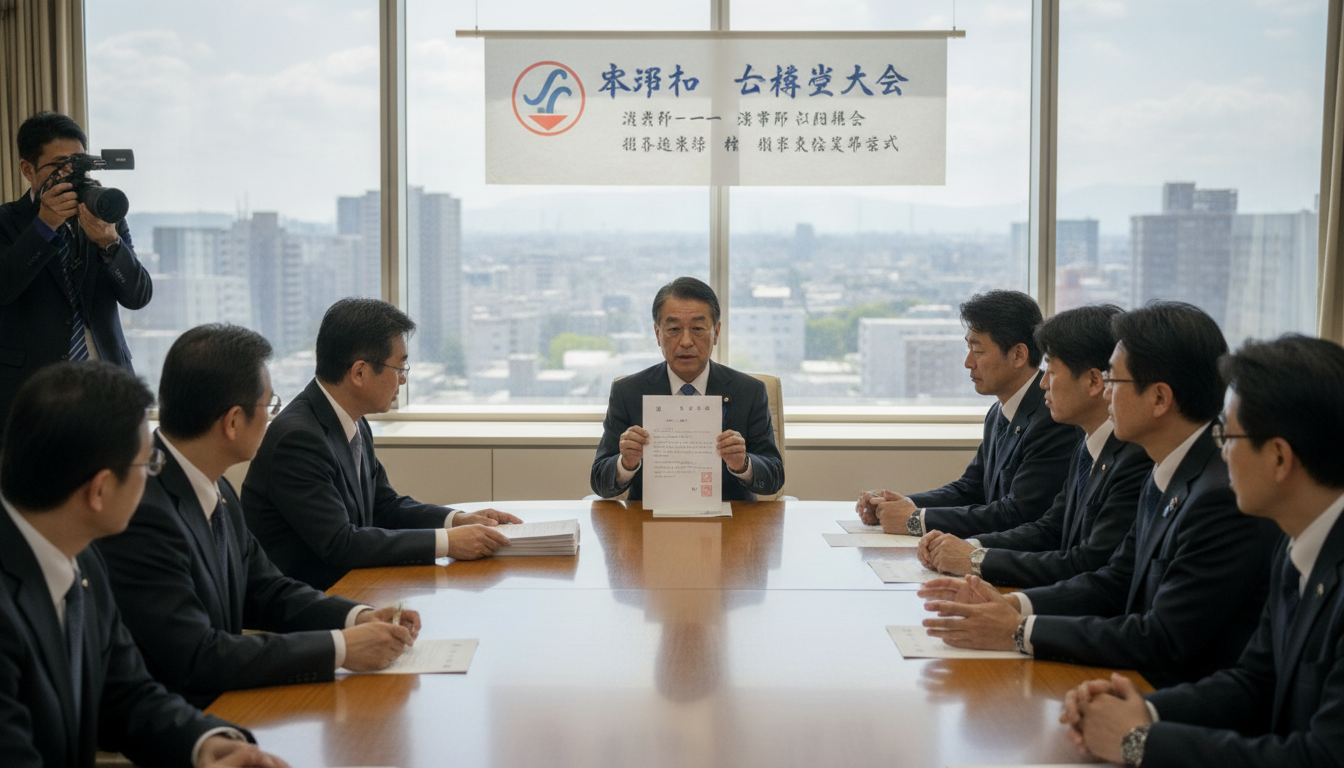
Ibaraki Offers Cash Rewards for Tips on Employers of Illegal Foreign Workers, Raising Japan Immigration Debate
Ibaraki prefecture will pay cash rewards for tips that lead to arrests of employers of illegal foreign workers, raising debate over Japan immigration policy.
A prefectural government in Ibaraki has launched a program offering cash rewards to people who provide information that leads to the arrest of employers hiring undocumented foreign laborers. The move, local officials say, is intended to curb a rise in illegal employment within the prefecture and to bolster compliance with labor and immigration law. The announcement intersects with a wider national conversation on Japan immigration policy under the Takaichi administration.
Scope of the Ibaraki Initiative
Ibaraki officials describe the program as a targeted enforcement tool to identify businesses employing foreign nationals without valid work status. The prefecture framed the measure as necessary to address what it sees as growing circumvention of rules designed to protect both workers and employers. Local authorities say the initiative will be coupled with inspections and coordination with policing and immigration authorities to ensure prosecutions follow verified evidence.
Rationale Cited by Prefectural Authorities
Prefectural spokespeople argue that clandestine employment undermines labor standards, suppresses wages, and creates unsafe conditions for foreign workers. They also contend illegal employment can distort local labor markets and disadvantage businesses that comply with regulations. Officials presented the reward system as an investigatory aid intended to accelerate the identification of serious violations increasingly observed in some sectors.
How the Reward System Will Work
Under the new program, members of the public will be able to submit tips to a designated Ibaraki hotline or online portal, according to the prefecture. Tips that directly lead to enforcement actions — including arrests of employers found to be knowingly hiring undocumented workers — will be eligible for cash payments, with procedural safeguards reportedly to be established. Prefectural authorities say details such as reward levels, eligibility criteria and verification procedures will be published as the system is implemented.
The prefecture emphasized that submitted information will be assessed for credibility before action is taken, and that frivolous or malicious reports will be subject to penalties. Officials noted coordination with national immigration and police bodies is planned to ensure legal standards for evidence and arrest are observed. The prefecture also indicated it will provide guidance on confidentiality and legal protections for whistleblowers.
Reactions from Employers and Civil Society
Business groups expressed mixed reactions, with some employers welcoming stronger enforcement against unfair competition by illegal operators, while others warned of reputational risks and mistaken allegations. Representatives of small and medium-sized firms asked for clear procedures to contest false reports and stressed the need for transparent investigations. Local chambers of commerce urged the prefecture to balance enforcement with outreach and support for companies trying to comply with complicated hiring rules.
Humanitarian and labor-rights organizations raised concerns that cash incentives could encourage unfounded accusations and exacerbate stigma toward foreign residents. Advocates for foreign trainees and migrant workers warned the program might deter victims of exploitation from reporting abuses, out of fear that employers’ arrests would lead to deportation or retaliation. They called for complementary measures that protect worker rights and provide access to legal assistance and language support.
Legal and Administrative Implications
Legal experts note that the reward program raises complex questions about evidentiary standards, privacy and administrative fairness. Prosecutors and immigration authorities will still be required to meet statutory thresholds to bring charges or enforce deportation orders, observers said. Lawyers cautioned that reliance on tip-based investigations requires careful validation to prevent miscarriages of justice and to protect both accused employers and vulnerable workers.
Administrative officials said the prefecture plans to work with national agencies to align the scheme with existing immigration enforcement mechanisms, while ensuring actions are grounded in verified facts. The program could prompt revisions to inspection protocols, recordkeeping and cross-agency information sharing. Civil liberties groups have asked the prefecture to publish clear rules on data retention, anonymity and redress for those wrongly targeted.
Context Within National Japan Immigration Policy
The Ibaraki measure arrives amid intensified national debate over immigration as Japan balances demographic pressures with social cohesion and rule of law. Policymakers have repeatedly grappled with how to expand foreign labor supply while preventing exploitation and illegal employment. The Takaichi administration’s broader approach to immigration enforcement has included calls for stricter oversight and measures aimed at employers, and the Ibaraki initiative can be seen as a local manifestation of that trend.
At the same time, Japan continues to rely on programs such as technical intern training and other pathways that supply essential labor to agriculture, construction and care sectors. Local economies like those in Ibaraki — where foreign technical trainees work on farms and in factories — illustrate the policy trade-offs between meeting labor demand and ensuring compliance with immigration and labor laws.
Community leaders have urged that enforcement be paired with measures to improve integration, oversight of employment intermediaries, and accessible complaint mechanisms for foreign workers. Advocates say stronger protections and clearer legal channels for labor migration would reduce incentives for illicit hiring and protect both workers and compliant businesses.
The prefecture’s program is scheduled to roll out in stages, with officials saying they will monitor outcomes and legal challenges closely. Observers expect debate to continue as communities weigh enforcement priorities against concerns for due process and worker welfare.

