
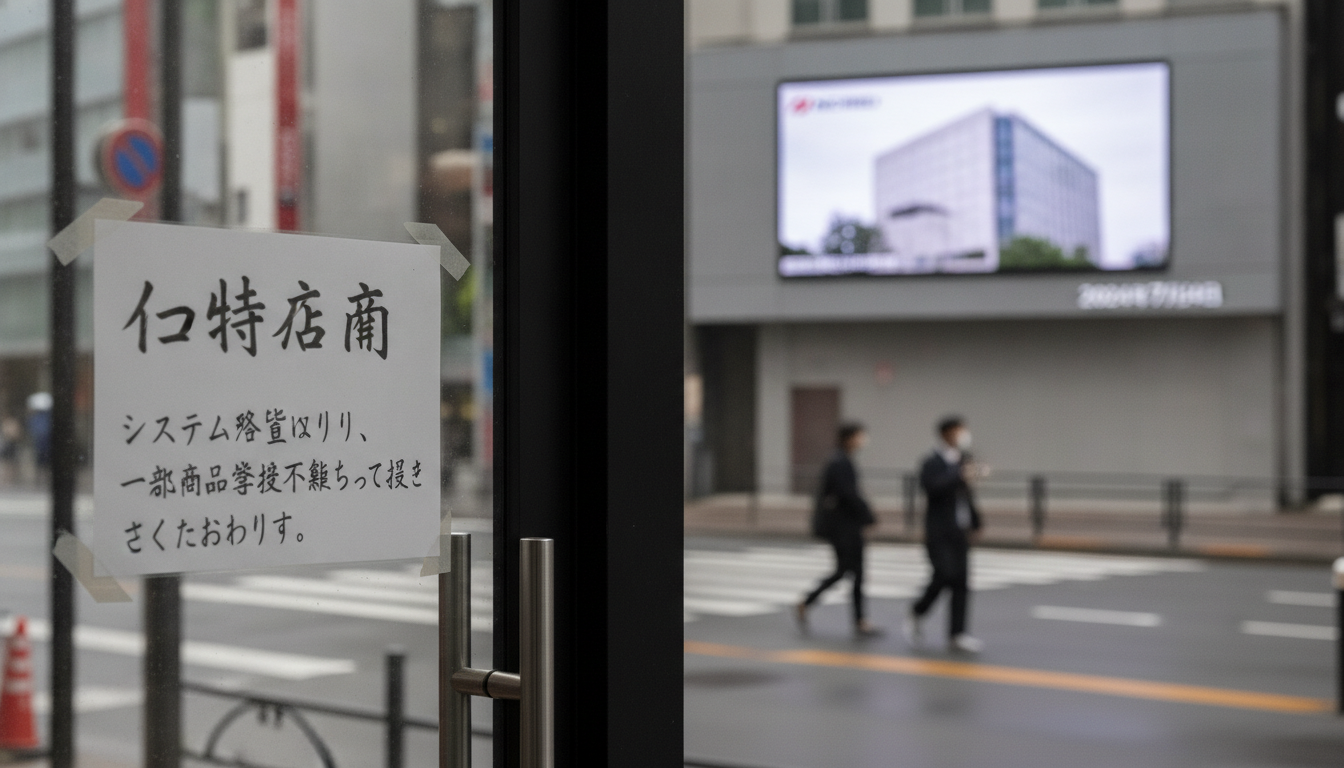
Nichirei cyberattack forces KFC Japan to shorten hours as ingredient deliveries stall
Nichirei cyberattack disrupts frozen-food distribution, forcing KFC Japan to cut store hours or temporarily close outlets as chicken ingredient deliveries are delayed.
The Nichirei cyberattack has knocked large parts of Japan’s frozen-food distribution offline, prompting the KFC franchise network to warn it may shorten operating hours or temporarily close some stores due to delayed chicken deliveries. The disruption, tied to systems at Nichirei — one of the country’s largest frozen-food makers and logistics operators — has rippled through restaurants and retailers that rely on just-in-time deliveries. Market reaction was swift, with shares linked to the food distribution sector sliding as suppliers and operators scrambled to adjust.
KFC Japan signals shorter hours and possible closures
KFC’s franchise network in Japan announced it is assessing store-level operations and preparing contingency plans as deliveries of key ingredients are disrupted. Several franchisees have reported inventory shortfalls for certain menu items that depend on frozen chicken and related supplies, forcing consideration of reduced hours or temporary shutdowns to avoid food waste and customer frustration.
Franchise operators say measures may include adjusting opening hours, limiting menu offerings and prioritizing deliveries to high-traffic locations. Company-level coordination with suppliers and local managers is under way to determine which stores will be affected and how long interruptions might last.
Nichirei’s distribution systems hit by cyber incident
The cyberattack targeted the distribution network of Nichirei, undermining the flow of frozen product from central warehouses to regional depots. The outage affected order processing and delivery scheduling, leaving refrigerated trucks idle or unable to load the inventory required for scheduled restaurant and retail deliveries.
Nichirei is a major operator in frozen-food production and logistics, and the scale of its network means interruptions can quickly affect multiple sectors. The incident underscores the vulnerability of centralized supply-chain platforms to cyber threats and the potential for wide operational fallout when digital control systems are compromised.
Wider supply-chain consequences for food service and retail
Restaurants and supermarkets that depend on rapid replenishment of frozen goods are now evaluating backup options, including sourcing from alternative suppliers, tapping local cold-storage stocks and reworking menus. Smaller operators without diversified supply chains face the highest risk of temporary closures or significant menu restrictions.
Analysts warn that even short-lived disruptions can erode revenue and increase costs as businesses scramble for replacement supplies at higher spot prices. For perishable inventory, the chief concerns are preserving food safety and avoiding lost product rather than bulk stockpiling, which is often infeasible for frozen items that require specific handling.
Market reaction and investor concern
Investors reacted quickly to the unfolding disruption, with shares of companies linked to food distribution declining amid uncertainty over the duration of the outage. The drop reflected concern about lost sales for restaurant clients, potential contract penalties and the cost of restoring IT and logistics systems.
Market watchers note that reputational damage and client churn could occur if downtime is prolonged, as customers seek more resilient logistics partners. The episode has renewed investor focus on cyber resilience and contingency planning within the food-supply ecosystem.
Industry response and contingency measures under way
Restaurants, logistics firms and industry groups have mobilized emergency responses that include rerouting available stock, prioritizing deliveries by store importance, and contracting short-term alternative carriers. Cold-chain operators with spare capacity are seeing increased demand as businesses seek to bridge delivery gaps.
At the same time, IT and security teams associated with affected companies are beginning forensic scans to identify the attack vector and to re-establish secure operations. Experts advise a staged recovery that restores core distribution functions first while maintaining strict verification to prevent re-infection.
Regulatory and food-safety considerations raised by the outage
Public-health officials and food-safety regulators are monitoring the situation to ensure that rapid operational changes do not increase risks to consumers. Where deliveries are delayed, operators must balance service continuity with safe handling and storage requirements for frozen products.
Regulators may also scrutinize incident reporting and resilience practices across the logistics sector, potentially prompting guidance or requirements for greater cyber-hardened measures in cold-chain operations. The scale of Nichirei’s role in Japan’s food supply has drawn attention to systemic risk and the need for coordinated contingency planning.
The Nichirei cyberattack is a stark reminder that modern supply chains are tightly interwoven with digital infrastructure, and that disruptions in one node can quickly affect many downstream businesses. As companies work to restore normal deliveries and stabilize operations, the incident is likely to accelerate investments in backup systems, supplier diversification and stronger cyber defenses across the food-service and retail industries.

