
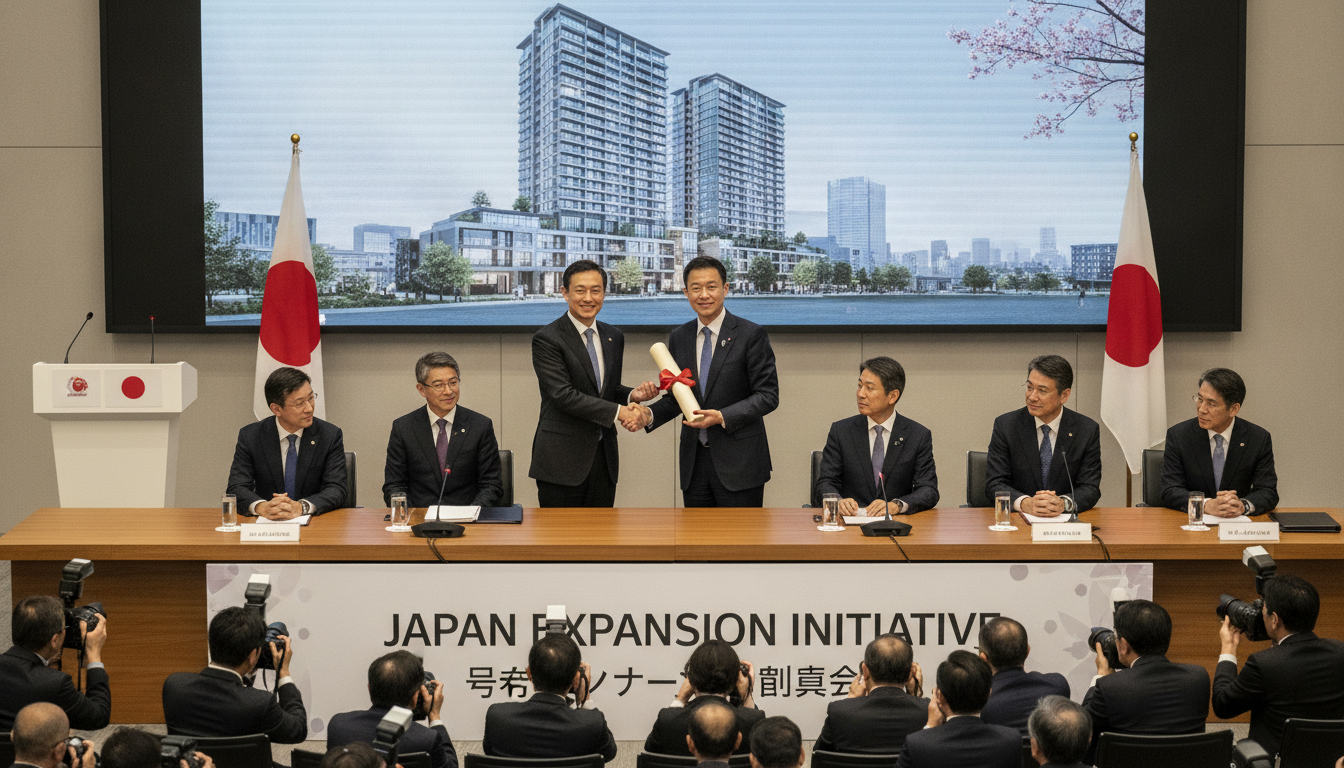
Ascott expansion in Japan targets intra-Asian tourists as airfares rise
Ascott expansion in Japan targets intra-Asian tourists as airfares climb; the serviced-residence operator plans nationwide growth this year, CEO Kevin Goh says.
Ascott expansion in Japan aims to capture growing intra‑Asian travel demand as higher airfares to long‑haul destinations reshape tourism patterns across the region. The Singaporean serviced‑residence operator told reporters it will press ahead with countrywide growth in Japan, citing stronger short‑haul flows and resilient domestic travel demand. Company executives said Japan remains a cornerstone of Ascott’s Asia‑Pacific network and that new openings will focus on flexibility and longer stays.
Ascott outlines Japan growth strategy
Ascott told investors and industry contacts that it will accelerate openings and conversions across Japan rather than concentrating only in Tokyo. The strategy emphasises a blended approach of managed properties, partnerships with local landlords, and franchise arrangements to scale quickly.
Kevin Goh, the company’s chief executive, framed the push as part of a wider regional pivot, saying Japan’s diversified tourism seasons and business corridors fit Ascott’s serviced‑residence model. Executives said the aim is to offer a range of stay lengths to capture both leisure and business demand.
Shift toward intra-Asian tourism lifts demand
Industry observers say rising airfares to Europe and North America, linked in part to geopolitical tensions and higher fuel and insurance costs, have nudged travellers toward closer destinations. That shift is feeding demand for longer, more comfortable short‑haul stays in regional hubs such as Japan.
Ascott’s management argued that this dynamic strengthens the business case for serviced residences, where travellers can stay for a week or several months with amenities suited to extended trips. The operator expects a meaningful proportion of bookings to come from other Asian markets as travel corridors reopen and flight capacity stabilises.
Countrywide expansion plans and target locations
Executives declined to give a full property count but said upcoming openings will cover major metropolitan areas as well as key regional cities. The company flagged interest in high‑demand leisure prefectures and second‑tier business centres where extended‑stay demand is rising.
Ascott described a mix of new builds and conversions of existing hotel stock into serviced apartments, leveraging local partnerships to mitigate development risk. The company also intends to tailor product offerings to local market conditions, balancing branded serviced residences with more economy‑oriented packages.
Product mix and guest profile
Ascott plans to emphasise units with kitchen facilities, separate work areas and flexible housekeeping to attract remote workers, families and corporate relocations. Such features differentiate serviced residences from traditional hotels and appeal to guests seeking autonomy over longer stays.
The operator highlighted a growing guest mix that blends leisure travellers taking extended vacations with expatriates and business project teams requiring temporary housing. Loyalty programmes and corporate contracts were cited as tools to stabilise occupancy across variable travel seasons.
Competition and market dynamics in Japan
Japan’s hospitality market remains competitive, with global hotel groups and local operators expanding into the serviced‑apartment segment. Analysts say Ascott will face rivals from established international brands and domestic management firms that understand local distribution and regulatory environments.
Nevertheless, industry sources note a fragmented market outside Tokyo where a well‑capitalised international operator can capture share by standardising product quality and leveraging regional marketing. Regulatory hurdles, property taxes and licensing requirements in some municipalities are cited as practical challenges to rollout.
Economic and tourism implications for local markets
Ascott executives argued that increased serviced‑residence capacity could benefit local economies by supporting longer visitor stays and higher off‑season spending. Extended‑stay guests tend to spend across retail, dining and transport sectors over more days than typical short‑haul tourists.
Local governments in several prefectures have sought to attract longer‑stay visitors as a way to smooth seasonal tourism cycles, and an influx of branded serviced residences may align with those objectives. Stakeholders also noted potential upside for corporate relocation services and regional business events.
Market watchers caution that global fuel prices, airline capacity and currency movements will continue to influence travel patterns. Ascott’s Japan strategy, they say, will be tested by how persistent the shift to intra‑Asian travel proves to be beyond short‑term cost spikes.
Looking ahead, Ascott plans to phase openings and monitor booking patterns closely while adapting room types and pricing to local demand. Management said it will prioritise operational flexibility and local partnerships to manage rollout costs and secure market share across Japan.

