
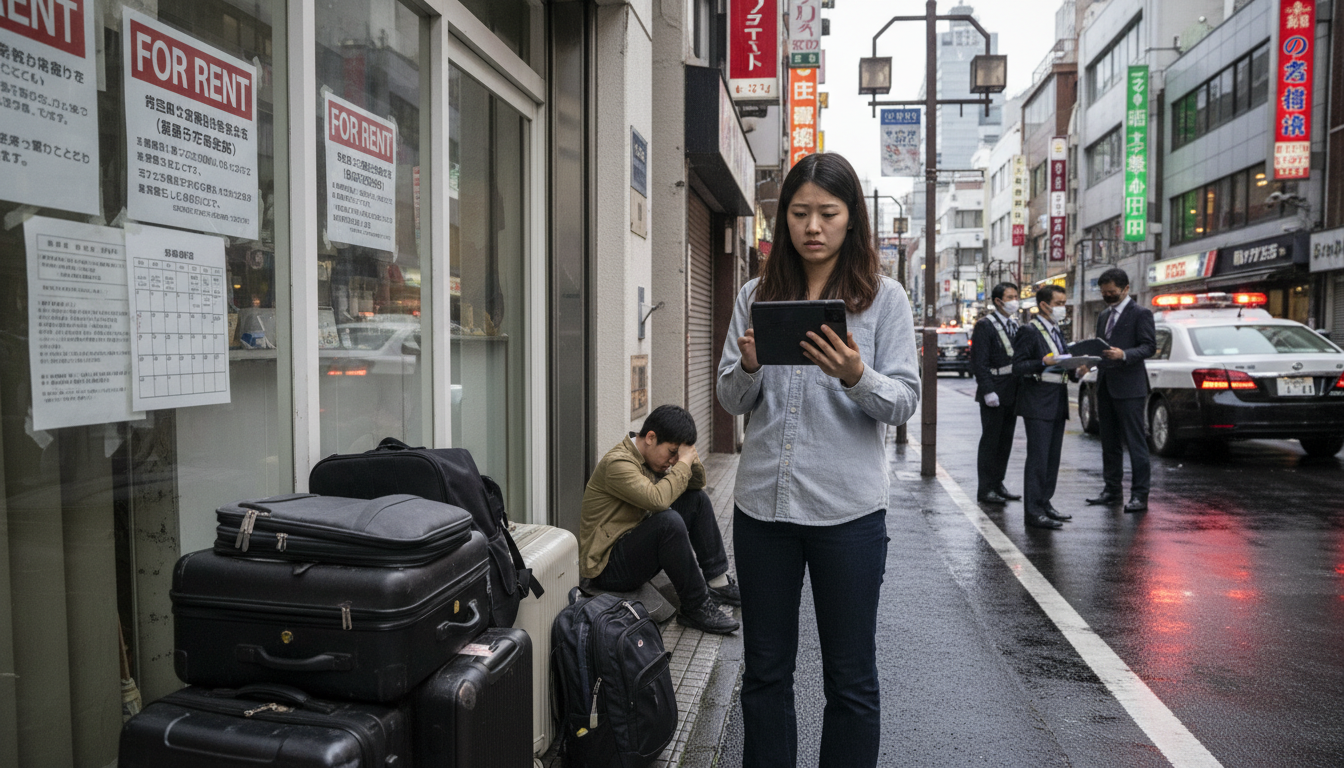
Airbnb-style accommodation owners in Japan face crackdown as bookings from China halve
Tighter rules and fewer Chinese tourists are squeezing Airbnb-style accommodation owners in Japan, halving bookings and raising compliance costs nationwide.
OSAKA — Chinese owners of Airbnb-style accommodation in Japan are increasingly squeezed by new regulatory scrutiny and a sharp fall in visitors from China, industry operators and local officials say. The combination of tighter national and municipal rules and a downturn in inbound travel has left some operators reporting bookings down by roughly half and others considering exits from the market. The pressure is most visible in cities such as Osaka, where new private lodges — or minpaku — have proliferated in residential neighborhoods.
New national rules tighten licensing for short-term rentals
The central government has moved to tighten oversight of short-term rental businesses in response to worries about safety, neighbourhood disruption and tax compliance. Operators must now navigate stricter registration requirements, clearer safety standards and closer reporting obligations to local authorities. These changes increase the administrative burden on small, often foreign-owned, guesthouses that once relied on light-touch regulation.
Major municipalities have followed with their own measures that further restrict where and how Airbnb-style accommodation can operate. Some cities have imposed zoning limits, required additional permits for properties in residential districts, and increased coordination between health, building and tourism departments. The cumulative effect has been a rapid rise in compliance costs for hosts.
Chinese operators report bookings halved amid tourist slump
Several operators catering primarily to Chinese visitors say their bookings have fallen precipitously since the start of the year. One small operator in Osaka reported reservations down by about 50 percent compared with the same period previously, citing both regulatory uncertainty and a decline in arrivals from the Chinese mainland. Seasonal recovery that usually cushions hosts has been weaker than expected, prolonging cash-flow strain for those who depend on short-term stays.
The drop in Chinese tourists has compounded the regulatory shock because many Chinese owners rely on networks and repeat visitors to sustain occupancy. When those travel patterns shifted, operators found it harder to replace high-value foreign bookings with domestic or alternative international demand. The result has been a growing number of cancellations, lower nightly rates and longer vacancy periods.
Nishinari lodges highlight tensions in residential areas
New buildings constructed as private lodges have become conspicuous in Osaka’s Nishinari Ward, where narrow streets and old residential blocks contrast with modern minpaku conversions. Neighbors and local community groups have raised complaints about noise, waste management and the loss of housing stock, prompting local officials to pay closer attention to licences in the area. The visual spread of small lodges has turned them into a focal point for debates over urban livability.
Local councils are stepping up community engagement and complaint hotlines, and some neighbourhood associations are lobbying for stricter local planning controls. For many residents, the issue is not tourism itself but how unregulated or poorly managed rentals can change the character of long-standing communities. That argument has strengthened municipal resolve to enforce rules more consistently.
Municipalities step up inspections and penalties
Cities including Osaka and other major prefectural capitals have increased spot inspections of registered and unregistered properties. Officials say inspections now cover fire safety compliance, zoning adherence and sanitation standards, and that penalties for violations can include hefty fines or orders to suspend operations. For small hosts, the prospect of an enforcement action can mean sudden loss of income and unexpected remediation costs.
The rise in inspections has also revealed gaps in compliance among both domestic and foreign operators, leading some municipalities to publish guidance materials and multilingual help desks. Nonetheless, inspectors say that ensuring consistent enforcement across thousands of properties remains a complex administrative challenge.
Platforms and operators adapt with pivots and exits
In response to the tightening regulatory landscape, some platforms and hosts are adjusting their business models. A number of operators have shifted inventory to longer-term rentals, corporate housing agreements or converted properties into licensed guesthouses that meet stricter standards. Others are selling assets to local managers or exiting the market entirely to avoid mounting compliance costs.
Major short-term rental platforms have updated host rules and introduced verification processes to reduce regulatory risk, while also cooperating more closely with municipal authorities. However, smaller hosts with limited capital face difficult decisions about whether to absorb new costs, invest in upgrades, or wind down operations.
Uncertain recovery as tourism patterns evolve
Industry analysts and local officials say the outlook for Airbnb-style accommodation in Japan hinges on two linked uncertainties: the pace of inbound tourism recovery and whether public policy will stabilise. While government projections anticipate a rebound in international travel over time, the timeline and composition of visitors remain unclear, particularly for travellers from China who have been a key market for many coastal and urban hosts.
Stakeholders are calling for clearer, consistent rules that balance community concerns with the economic value of tourism accommodation. Operators want predictable frameworks that allow investment planning, while municipalities emphasise the need to protect residents and public safety as visitor numbers return.
As operators reassess their positions, the evolving regulatory environment and fluctuating visitor flows will determine whether Japan’s short-term rental sector consolidates, shrinks, or adapts into a more tightly regulated niche.

