
Electrified SUVs: Chinese automakers pivot to Land Rover-style large SUVs to chase higher margins
Chinese automakers are rapidly rolling out electrified SUVs resembling Land Rover designs as they seek higher margins amid fierce domestic EV competition.
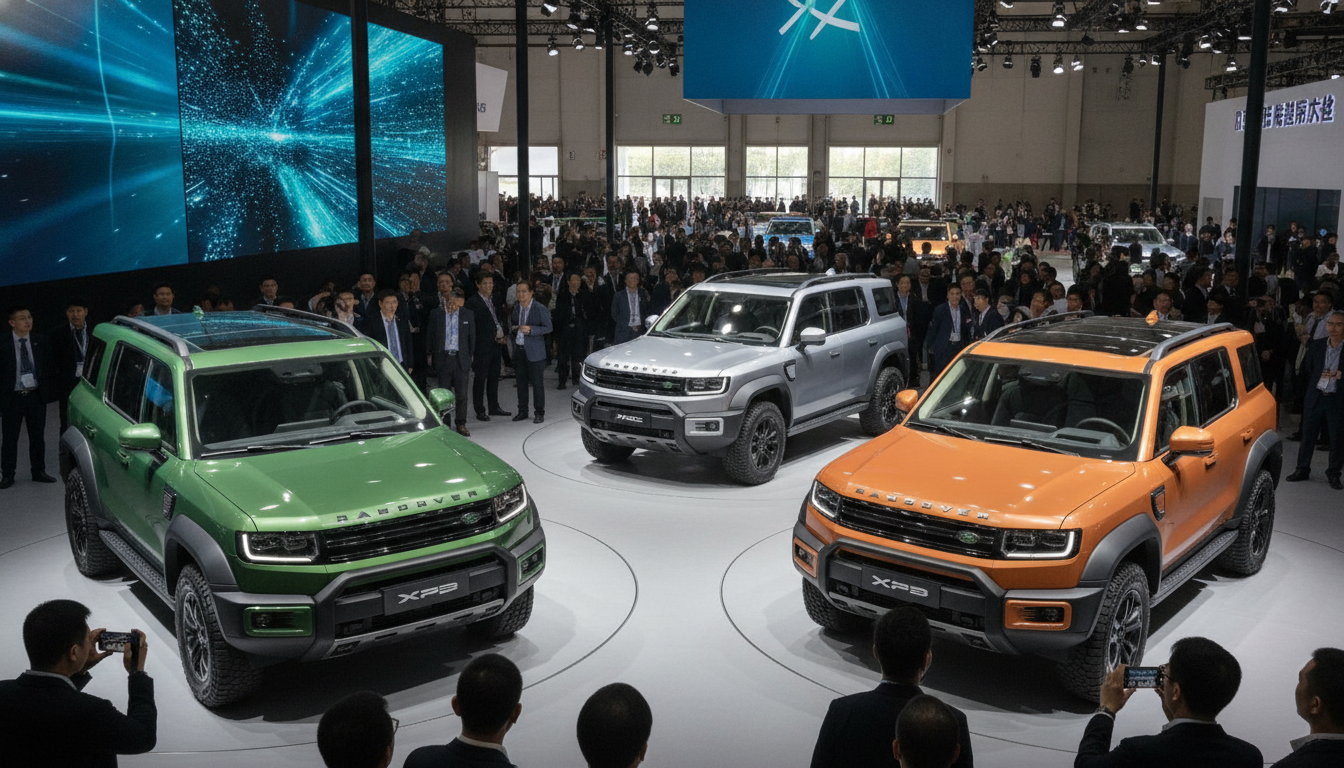
Chinese automakers have accelerated the launch of electrified SUVs this year, introducing a wave of full-size models that borrow styling cues from classic British sport-utility vehicles. The push toward large, premium SUVs is intended to capture higher profit margins as growth in compact EV segments slows and competition intensifies. Industry images and showroom reveals show multiple new models from names such as BYD and Xpeng, underscoring a broader strategic shift across the sector.
Surge in full-size electrified SUV launches
Automakers in China have introduced at least twenty full-size electrified SUVs so far this year, a marked rise from previous model cycles as companies target wealthier buyers. Manufacturers are pairing larger bodywork with advanced battery systems and hybrid options to position these vehicles in the near-luxury segment. The pace of launches reflects a deliberate move away from entry-level city cars toward higher-margin product lines.
This trend is happening as domestic EV sales volumes normalize and price competition intensifies, prompting brands to seek revenue growth through product differentiation. Full-size electrified SUVs carry premium pricing and greater scope for optional equipment, which helps manufacturers offset R&D and marketing costs while improving profitability.
Design borrowing from classic British SUVs
Several new Chinese models display exterior proportions and grille treatments that echo the appearance of established Land Rover models, with upright profiles, squared wheel arches and layered front fascias. Designers say the look appeals to buyers seeking an imposing road presence combined with modern EV cues such as lightbars and aerodynamic detailing. Automakers argue the aesthetic nods to traditional SUVs help bridge consumer expectations for rugged luxury and contemporary electric performance.
Legal and reputational concerns have arisen in some corners of the industry over close visual similarities, but manufacturers and dealers maintain the new vehicles offer distinct engineering, feature sets and value propositions. Analysts caution that sustained reliance on familiar styling alone will not secure long-term premium positioning unless product quality and brand cachet improve in tandem.
Profit margin calculations and strategic intent
Automakers shifting to large electrified SUVs aim to widen margins that were compressed in the crowded compact EV market. Larger vehicles typically command higher base prices and richer optional packages, allowing manufacturers to generate better per-unit returns. For many Chinese OEMs, moving upmarket is also a way to justify investment in premium battery systems, longer-range drivetrains and advanced driver-assistance suites.
Company executives, speaking at recent industry events, have framed the strategy as a response to maturing consumer demand rather than a pure stylistic choice. They say dealers and customers in tier-one and coastal cities increasingly seek vehicles with greater on-road stature, interior space and technological features, which full-size electrified SUVs deliver.
Consumer and dealer reception in domestic market
Early consumer response varies by city and brand, with affluent buyers in major urban centers showing stronger interest in large EVs that combine prestige with zero-emission operation. Dealers report reservation lists for some models, but note that purchase decisions hinge on perceived build quality, after-sales support and real-world driving range. Trade-ins and financing offers are being adjusted to smooth conversion from smaller EVs to the new, larger offerings.
Affordability and parking practicality remain concerns for a broader segment of urban buyers, limiting the appeal of full-size SUVs outside wealthier neighborhoods. To broaden the market, several manufacturers are offering mid-cycle promotions and hybrid powertrains to alleviate range anxiety and reduce entry price points.
Export strategy and global competition
Several Chinese automakers view full-size electrified SUVs as an opportunity to expand overseas, where appetite for premium SUVs remains strong. Executives have indicated plans for gradual export rollouts to markets in Asia, the Middle East and parts of Europe, seeking partners for distribution and localized certification. Success abroad would bolster brand credibility and support higher price points at home.
However, overseas expansion places these models in direct competition with established global brands that have deeper dealer networks and recognized heritage. Observers say Chinese firms must demonstrate consistent quality, safety performance and compliance with local regulations to gain traction beyond their domestic market.
Risks: regulation, IP scrutiny and quality expectations
The rapid proliferation of large electrified SUVs raises questions about intellectual property scrutiny, regulatory compliance and long-term reliability. Authorities in multiple jurisdictions have tightened standards for vehicle safety, emissions and software integrity, increasing the cost and complexity of bringing new models to market. Any lapses in quality or legal disputes over design could damage nascent premium positioning.
Manufacturers are investing in testing facilities, warranty programs and customer service improvements to counter these risks. Still, industry watchers warn that reputational gains are earned over years rather than achieved through single model launches, meaning sustained investment will be necessary.
The emergence of numerous electrified SUVs in China signals a clear industry pivot toward higher-margin, larger vehicles that aim to appeal to affluent and status-conscious buyers. Whether this strategy translates into durable profits and credible global brands will depend on consistent product quality, dealership execution and the ability to differentiate beyond styling.

