
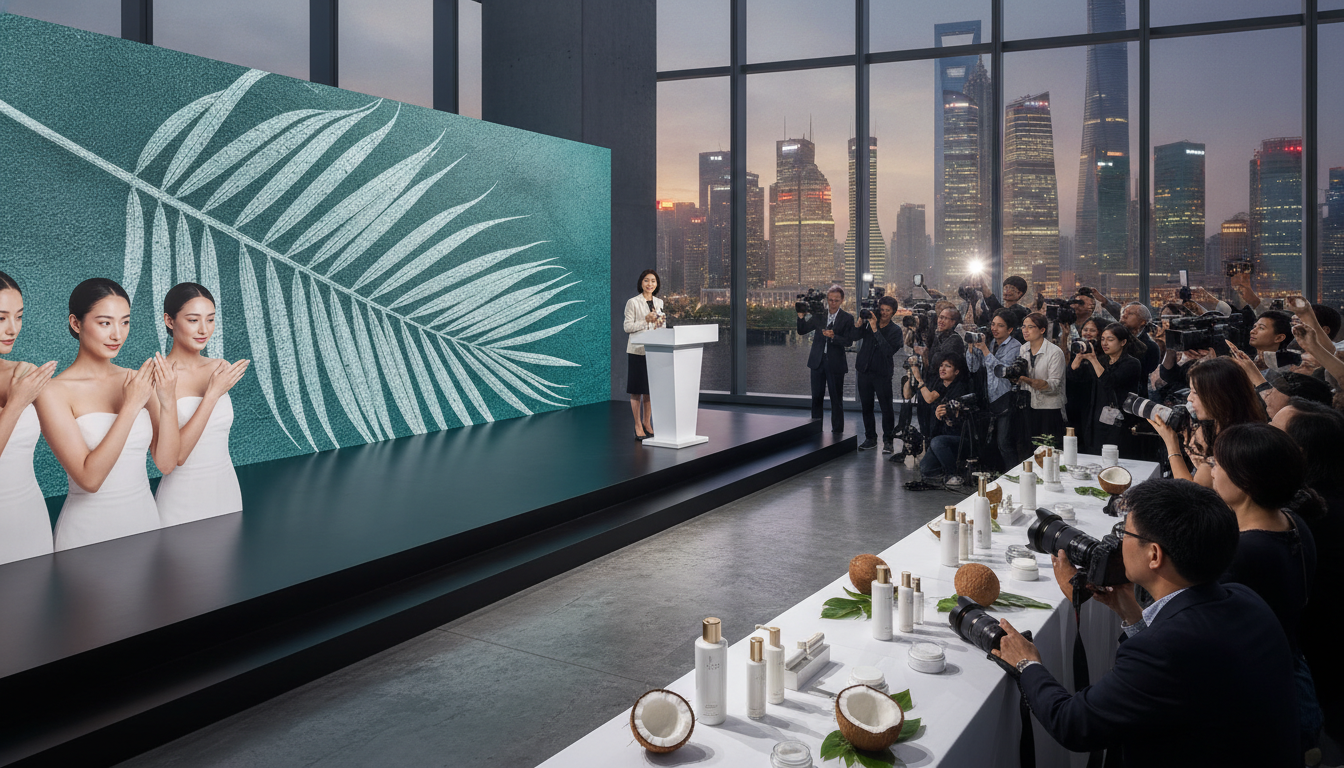
Cocovie targets China as ‘V-beauty’ demand lifts Vietnamese coconut skincare
Cocovie is pitching coconut-based "V-beauty" skincare to Chinese consumers, leveraging social media momentum, influencer marketing and regional retail partnerships to expand abroad.
HO CHI MINH CITY — Cocovie, a Vietnamese cosmetics startup known for coconut-derived products, is aiming its latest range at Chinese shoppers as part of a broader push to convert regional supply-chain ties into direct consumer sales. The company’s focus on coconut oil–based creams and body care positions it within the emerging "V-beauty" category that blends traditional Vietnamese ingredients with contemporary skincare formats. (cocovie.com.vn)
Cocovie frames move as a break from OEM trade
Cocovie’s strategy departs from Vietnam’s long history as a contract manufacturer for foreign brands and instead seeks to build a recognisable consumer label abroad. Company materials show a product mix centered on extra-virgin coconut oil, scrubs and zero‑waste gift sets that emphasise sustainability and traceability. The shift reflects a growing cohort of Vietnamese startups that want to capture higher-margin retail sales instead of remaining on the low-margin side of the supply chain. (cocovie.com.vn)
Coconut-based lines fit the ‘V-beauty’ narrative
The startup markets coconut as both a cultural ingredient and a technical asset — prized in parts of the Mekong Delta for moisturizing and versatility in formulations. Cocovie’s catalog and brand messaging lean into eco-friendly production and the provenance of raw materials, framing coconut oil as an authentic ingredient tied to local farming communities. That positioning maps neatly onto the V-beauty theme, which trade analysts say combines heritage botanicals with modern branding to appeal to consumers seeking novel alternatives to K‑beauty and Western labels. (cocovie.com.vn)
Chinese social commerce is central to expansion plans
Industry research indicates China’s beauty market is increasingly driven by social platforms and livestream commerce, a dynamic foreign entrants cannot ignore. Local market reports show platforms such as Douyin and Xiaohongshu are decisive channels for discovery and conversion, especially for niche or origin‑story brands. Cocovie and its peers are therefore tailoring marketing to short‑form video, influencer seeding and product stories that can travel quickly across Chinese social feeds. (i-click.com)
Retail and trade routes being tested in the region
Vietnamese manufacturers and brands have stepped up appearances at China‑focused industry events and regional retail trials as a stepping stone to direct sales. Participation by Vietnamese cosmetics firms at major expos and B2B gatherings illustrates how producers are using trade shows and distributor networks to test category reception and regulatory pathways. Cocovie’s retail presence in Ho Chi Minh City and its export ambitions suggest the company plans a mix of digital entry and partner‑led brick‑and‑mortar distribution. (scc-export.com)
Regulatory hurdles and competitive pressures in China
Entering China presents well‑known obstacles: registration requirements, product safety scrutiny, and fierce competition from established C‑beauty players that have climbed quickly up the value chain. Analysts warn that even products with strong origin stories must demonstrate consistent quality, transparent sourcing and localised marketing to gain traction. For Vietnamese startups, navigating customs, testing standards and platform rules will be as important as winning initial consumer interest. (i-click.com)
Cocovie’s move highlights a broader evolution in Southeast Asian beauty, where local brands are increasingly confident in promoting native ingredients and cultural forms of beauty to global audiences. If the company can translate social buzz into sustainable sales channels in China, it may offer a model for other Vietnamese labels aiming to shift from behind‑the‑scenes manufacturing to front‑end brand building.

