
Japan’s Brokers Move to Sell Cryptocurrency Investment Trusts as Rules Near Completion
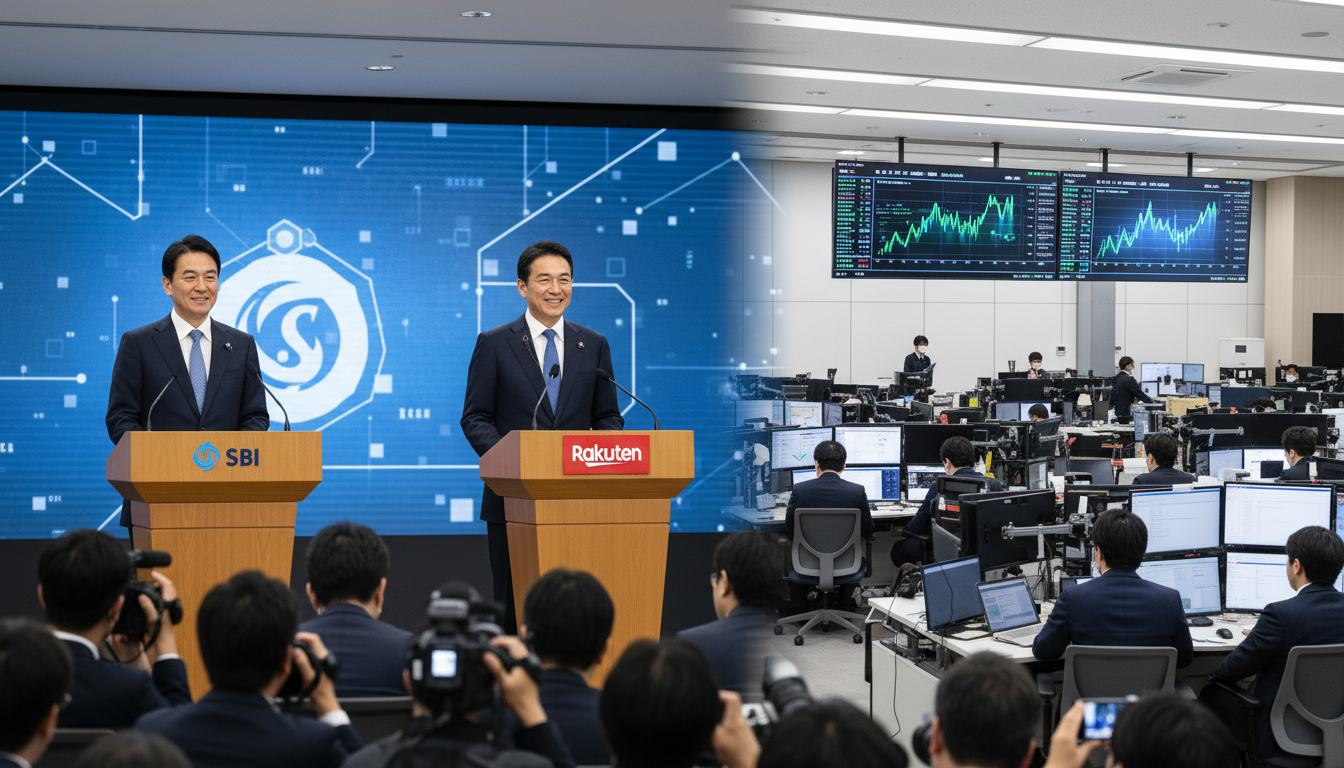
Major Japanese brokers SBI and Rakuten plan to offer cryptocurrency investment trusts, signaling a shift as regulatory rules for crypto products take shape.
SBI Securities and Rakuten Securities have announced plans to begin selling cryptocurrency investment trusts in Japan, a move that underscores growing mainstream interest in digital-asset products. The firms said they will introduce regulated investment trusts that allow retail and institutional clients to gain exposure to cryptocurrencies without holding coins directly. Other major brokerages, including Nomura Securities, are reportedly monitoring the market and preparing to enter once regulatory details are finalized.
SBI and Rakuten outline product intentions
SBI and Rakuten’s plans focus on packaged investment vehicles that pool crypto exposure and are sold through existing brokerage platforms. The trusts aim to simplify access for investors who prefer not to manage wallets or private keys, while providing familiar channels for purchase and custody.
Both firms emphasize that their offerings will comply with forthcoming rules and incorporate third-party custody and auditing arrangements. The announcements place cryptocurrency investment trusts squarely within the product sets that securities firms already market, bridging traditional investment channels with digital assets.
Regulatory timetable shapes launch decisions
Brokers say they will move forward once Japan’s regulatory framework for crypto investment products is clarified. Officials within the industry expect formal guidance on product classification, disclosure requirements, and custody standards ahead of broad product rollouts.
Industry executives have signaled a preference to launch only after compliance obligations and investor-protection measures are explicit. That timetable is shaping the rollout schedule and will determine whether new trusts target retail clients, institutional investors, or both.
Structure and custody of proposed trusts
The proposed cryptocurrency investment trusts are expected to use segregated custody arrangements and independent auditors to verify holdings. Product structures under consideration include exchange-traded trusts, open-ended funds, and closed-end vehicles that mirror models already operating in the United States and Europe.
Firms are weighing trade-offs between liquidity and security, with many favoring custodial arrangements that limit operational risk. Price tracking, management fees, and redemption mechanisms remain key design choices for managers developing these products.
Investor demand and market implications
Market participants point to growing investor interest in crypto exposure via regulated vehicles as a primary driver of the move. Demand from retail clients seeking simple access, and from institutional clients requiring compliance-ready instruments, has encouraged brokers to expand their offerings.
Analysts say the availability of cryptocurrency investment trusts through major brokers could broaden market participation and potentially increase trading volumes in related markets. At the same time, greater retail access raises questions about investor education and suitability assessments that firms will need to address.
Nomura and other brokerages monitor entry
Nomura Securities and a number of other established brokerage houses are reported to be evaluating entry into the cryptocurrency trust market once regulatory certainty is achieved. These firms are assessing operational readiness, custody partnerships, and compliance frameworks before committing to product launches.
The possibility of multiple major brokers offering crypto investment trusts could intensify competition on fees, product design, and distribution. Market observers expect an initial wave of offerings from firms with existing digital-asset units or strategic partnerships with custody providers.
Investor protections and risk controls under review
Industry sources emphasize that investor protections will be central to product approvals, with safeguards such as independent custodians, stringent auditing, and transparent disclosure of fees and risks. Brokers are preparing to implement enhanced client on-boarding and suitability checks for crypto-linked investment products.
Risk controls will also focus on liquidity management, market surveillance, and protocols for handling extreme price volatility. The integration of these protections will likely influence product eligibility for different investor segments and the types of marketing that brokers can undertake.
The emergence of cryptocurrency investment trusts from Japan’s major brokerage houses marks a notable step in mainstreaming digital assets within regulated financial markets. As brokers coordinate with regulators and custody providers, the coming months will be critical in determining product design, distribution channels, and safeguards that shape investor access.

