
Fast Retailing raises forecasts as Uniqlo’s Q3 strength pushes it toward No.2 global apparel spot
Fast Retailing raises profit and revenue forecasts after strong Q3 Uniqlo sales, boosting chances of overtaking H&M to become the world’s No.2 apparel retailer.
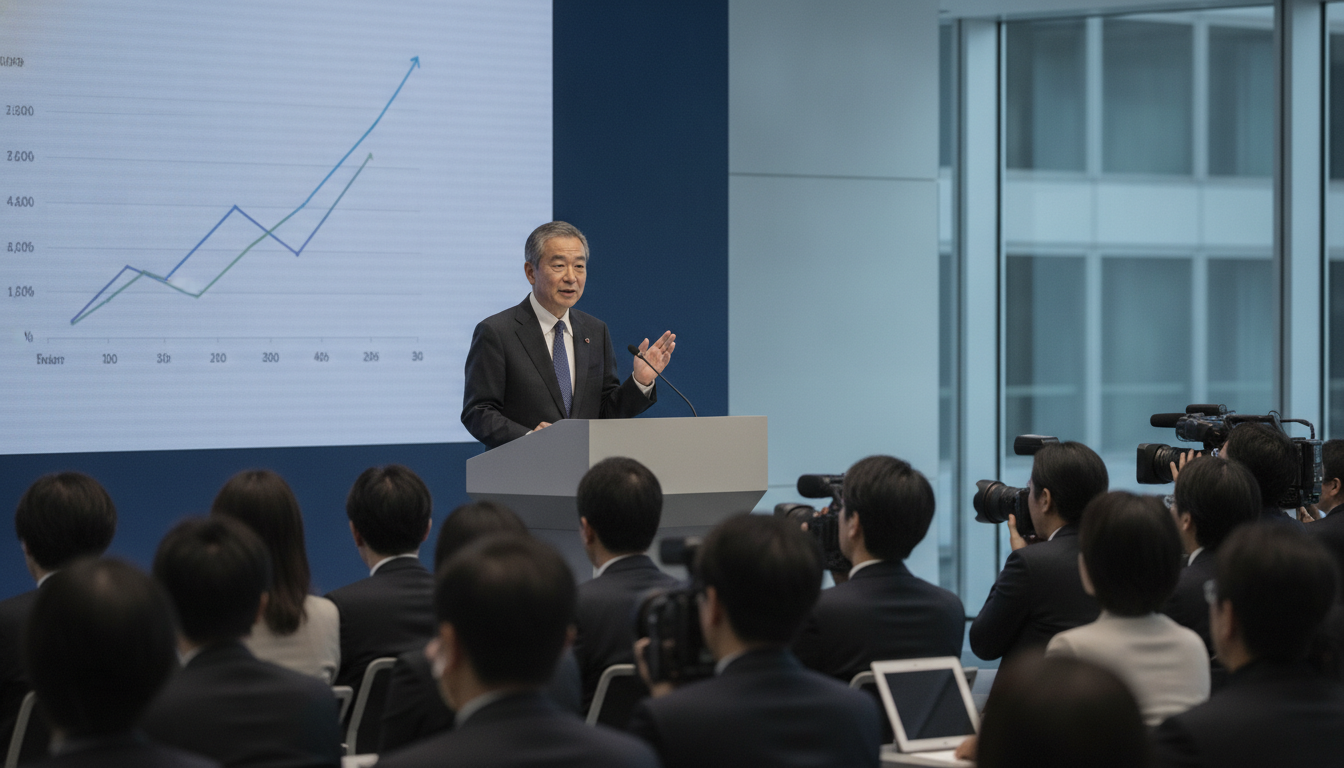
Fast Retailing said on Thursday that stronger-than-expected third-quarter performance at its Uniqlo brand had prompted an upward revision to both profit and revenue forecasts, reinforcing market expectations that the company will surpass H&M in full-year sales. The announcement highlighted robust domestic demand and a resilient product mix, with seasonal clothing cited as a particular driver of revenue in the quarter. Investors and industry watchers interpreted the move as evidence that Fast Retailing is on course to become the world’s second-largest apparel retailer, behind Inditex, owner of Zara.
Fast Retailing raises full-year profit and revenue forecasts
Fast Retailing’s decision to lift its targets reflects a sharper-than-anticipated recovery in key markets during the third quarter. The company pointed to stronger sales at Uniqlo stores and improved performance across certain product categories as factors supporting the upward revision.
Market analysts said the forecast upgrades reduce near-term downside risk for the company while increasing confidence in its medium-term growth trajectory. The revisions also solidify Fast Retailing’s positioning in a competitive global landscape dominated by large fast-fashion players.
Third-quarter sales driven by seasonal clothing and domestic demand
Company commentary and the retailer’s own reporting indicated that domestic revenues were bolstered by sales of seasonal items during the quarter. Retail footfall and demand for core Uniqlo categories reportedly improved, helping to lift overall sales performance in Japan.
The strength of Uniqlo’s seasonal lines, coupled with targeted inventory management, appears to have supported margins even as the broader apparel sector faced pressure from shifting consumer patterns. Retail sources noted that timely product rotation and merchandising played a meaningful role in the quarter’s results.
Global ranking: edging past H&M toward second place
The upward revision has strengthened expectations that Fast Retailing will overtake H&M in full-year sales for the first time, moving it into the No.2 position globally behind Inditex. Industry rankings have long been concentrated among a handful of large groups, and Fast Retailing’s recent momentum has narrowed the gap with its European rivals.
If the company maintains its current trajectory, market observers say the shift in ranking would mark a notable reordering among the world’s largest apparel retailers. Such a change would reflect not only sales growth but also the differing regional strategies and product mixes of the major groups.
Operational levers behind Uniqlo’s resilience
Fast Retailing’s operational model—centered on rapid product development, centralized sourcing and tight inventory control—appears to have helped the group navigate uneven demand. The company’s ability to adjust assortments for seasonal trends contributed to stronger sell-through rates in the quarter.
Retail executives point to the importance of balancing global scale with local responsiveness, a trade-off that Uniqlo has emphasized as it expands internationally. Maintaining that balance will be crucial if Fast Retailing is to convert higher sales into sustained profitability across markets.
Investor reaction and market implications in Tokyo
The forecast upgrades have prompted closer scrutiny from investors and analysts in Tokyo and abroad, who are reassessing Fast Retailing’s near-term prospects. The company’s improved outlook has been read as a signal that consumer spending on clothing is stabilizing in key regions.
Greater confidence among market participants could influence capital allocation decisions for Fast Retailing as it weighs investments in stores, supply chains and digital channels. How the company deploys additional resources will be watched closely by shareholders seeking durable returns.
Challenges and the road ahead for Uniqlo’s global push
Despite the positive update, Fast Retailing faces ongoing challenges, including intensifying competition from both global fast-fashion groups and niche brands. Managing growth sustainably will require continued focus on product differentiation, cost efficiency and customer engagement across channels.
The company must also navigate geopolitics, currency swings and shifting consumer preferences as it pursues higher rankings. Success in those areas will determine whether the recent uplift in forecasts translates into long-term gains for Fast Retailing and Uniqlo.
As Fast Retailing moves to convert third-quarter momentum into full-year results, the industry will be watching whether the company can sustain sales growth while preserving margins and operational discipline.

