
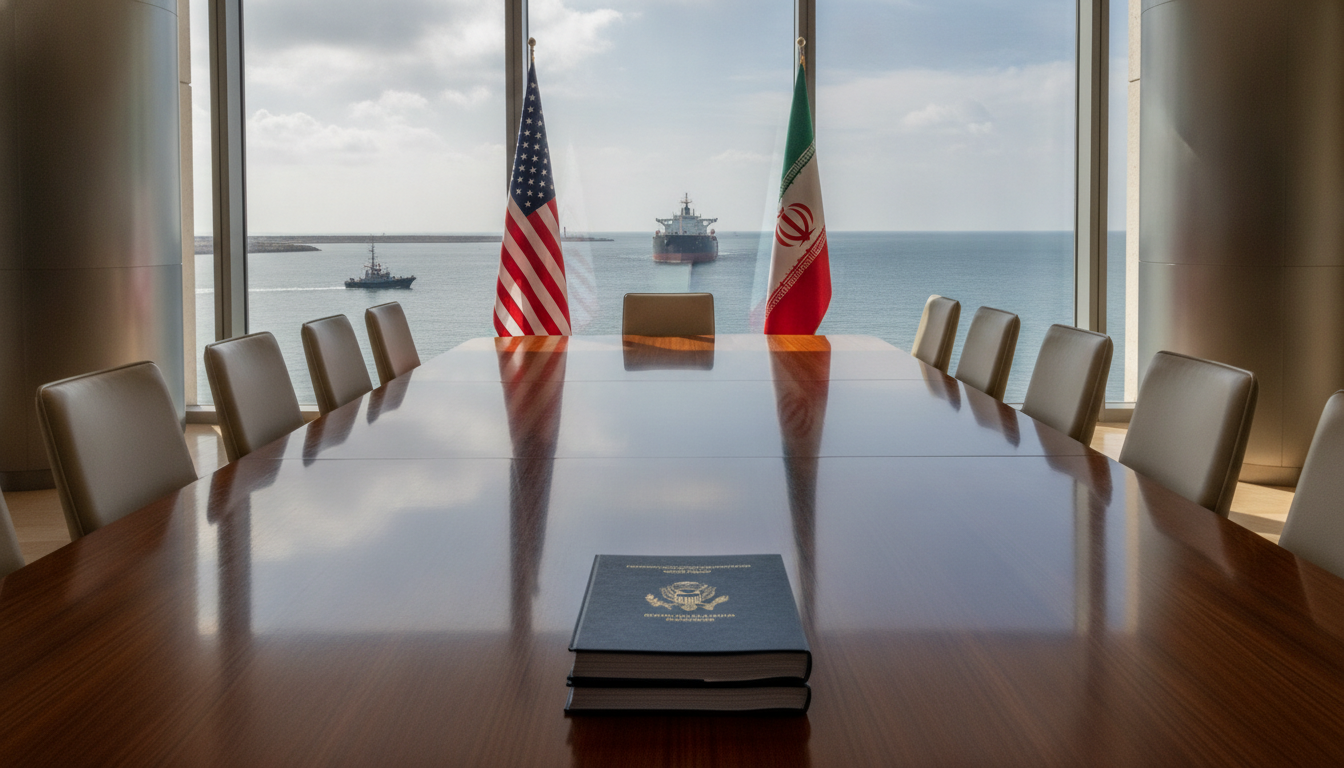
Hormuz Strait Navigation Uncertain Despite US–Iran 14-Point Memorandum
US and Iran’s 14-point memorandum aims to halt hostilities; Japan urges free, safe passage through the Hormuz Strait as dozens of Japan-related vessels remain stranded in the Persian Gulf.
A memorandum signed by the presidents of the United States and Iran went into effect, outlining 14 points intended to bring an end to recent hostilities, but uncertainty persists over when normal navigation through the Hormuz Strait will resume. The issue is immediate for Japanese shipping interests: as of June 18, 2026 at 5:30 p.m., 38 Japan-related vessels remain in the Persian Gulf with roughly 900 people on board, including three Japanese nationals. Shipowners and major carriers welcomed the agreement as a positive step while stressing that operational normalization will require careful verification and international coordination.
Details of the US–Iran memorandum
The memorandum, signed by both presidents and declared effective, lists 14 items aimed at de-escalation and restoring maritime safety in the region. One explicit condition in the document prohibits the collection of transit fees or similar charges for an initial 60-day period. Governments and maritime authorities are expected to monitor compliance closely as the provision takes effect.
Observers note that a memorandum can lower the immediate risk of new incidents, but it does not automatically remove hazards such as unexploded ordnance, damaged navigation aids, or localized militia activity. Maritime regulators and naval commands from multiple countries will likely need to confirm safe passage corridors before routine transits resume.
Japanese vessels and crew still in the Persian Gulf
Japanese maritime authorities report that 38 Japan-related ships remained in the Persian Gulf as of the evening of June 18, carrying approximately 900 people, three of whom are Japanese citizens. Major Japanese carriers have varying numbers of vessels affected; Nippon Yusen (NYK) said about ten of its ships remain in the area and expressed expectation that transit through the Hormuz Strait will normalize under the terms of the agreement.
Operators face the immediate challenge of accounting for crew welfare, fuel availability and berth assignments if vessels are diverted or delayed. Shipmasters and companies must also navigate port restrictions and local security protocols while awaiting clearance to transit the strait.
Reaction from shipowners and industry groups
The Japan Shipowners’ Association described the memorandum as a “major step toward resolving the situation” while urging that the freedom and safety of navigation through the Hormuz Strait be maintained after the initial 60-day period. The association called for clear, enforceable assurances that no tolls or arbitrary charges will be imposed on commercial traffic moving through the waterway.
Industry representatives stressed the importance of transparent mechanisms to monitor compliance and to protect commercial shipping from renewed interference. The association and its members are monitoring diplomatic channels closely to ensure that commercial rights at sea are preserved.
Responses from major shipping companies
Major carriers have reacted with guarded optimism but insist on strict safety verification before resuming normal operations. Nippon Yusen welcomed the agreement and said it hopes for an early return to regular Hormuz Strait transits under the memorandum. Kawasaki Kisen Kaisha (K Line) reported that it is confirming conditions on the ground and will resume movements sequentially once safe passage is verified.
Mitsui O.S.K. Lines (MOL) described the development as welcome but emphasized that resumption of navigation will require tight coordination with governments, insurers and other stakeholders. MOL stated that safety confirmation remain paramount and that practical steps—such as naval escorts, insurance coverage reinstatement and port level assurances—are needed before routes are reopened broadly.
Insurance, security and operational hurdles
Insurers and underwriters play a decisive role in determining whether carriers can sail into previously contested waters. Industry commentary highlights that even after a political agreement, marine war risk premiums and policy exclusions may not be lifted automatically. Companies must negotiate with insurers to restore coverage or secure special terms, a process that can take days to weeks.
Security considerations are also complex: naval presence, mine-sweeping operations, and verification of maritime infrastructure are prerequisites for returning to high-volume traffic. Shipping companies told reporters they expect to coordinate with allied naval forces, flag states and local authorities to establish verified safe transit lanes.
Market implications and fuel prices
Energy traders and shipping planners are watching for disruption to crude and product flows through the Hormuz Strait, a chokepoint for global oil exports. While the memorandum could reduce the risk premium embedded in tanker freight and oil prices, some energy firms cautioned that market effects may lag operational normalization. One major energy company indicated that elevated prices could persist until commercial insurers and charterers regain confidence in sustained, unconstrained passage.
Refiners and fuel buyers in Asia and elsewhere are expected to adjust procurement and routing plans gradually as the situation clarifies. Physical shipments currently at anchor in the Persian Gulf will add logistical pressure until a stable corridor is certified.
International stakeholders will now need to translate the memorandum’s text into concrete actions at sea, ports and in insurance markets. The memorandum provides a diplomatic framework, but the pace at which the Hormuz Strait returns to routine commercial use will be set by practical security checks, insurer decisions and operational clearances.
The immediate focus for Japan’s maritime sector is ensuring the safety and welfare of crews and maintaining unfettered commercial access to the shipping lanes that are critical for energy and trade.

