
Tokyo summer sales: dates, districts and what shoppers should expect
Tokyo summer sales guide — dates for department stores, outlet malls and shopping districts, plus tax-free rules and tips to navigate 30–50% markdowns across the city.
Tokyo summer sales start with 30–50% markdowns
The Tokyo summer sales arrive each year as the rainy season winds down, drawing shoppers back into stores with widespread discounts typically ranging from 30 to 50 percent. Tokyo summer sales remain one of the city’s biggest retail events, with department stores, outlet malls and specialty districts staging staggered promotions to clear seasonal inventory. Retailers often time these events to coincide with local bonus cycles and the early months of summer demand, which explains the intense concentration of markdowns in June and July.
Shoppers should expect mixed messaging from retailers; many chains run initial clearance windows then follow with a “Part 2” sale, while some flagship stores keep dates deliberately vague. The strategy encourages repeat visits and creates perception-driven urgency through “up to” offers and limited-time taglines. For visitors and residents alike, planning routes and checking individual store schedules will help convert those advertised percentages into real savings.
Outlet malls announce staggered early and late sale windows
Major outlet operators in the region typically open early and late summer sale windows to cater to different shopper segments. Premium Outlets and Mitsui Outlet Park are among the busiest, with Premium Outlets often featuring international luxury and mid-luxury brands and Mitsui offering a broad mix of domestic and global labels. These centers commonly publish two sale runs—one in early summer and another in late summer—so shoppers can find deeply discounted seasonal stock across multiple dates.
Outlet sales are useful for those seeking brand-name goods at steeper discounts than central-city department stores, though selection varies by location and brand. Facilities further from central Tokyo, such as Gotemba Premium Outlet, are popular for day trips and tend to combine sale periods with on-site services, including dining and leisure options. Planning a full-day outing will maximize savings, since travel time and occasional site-specific promotions can make a significant difference in overall cost-effectiveness.
Ginza, Yurakucho and Nihonbashi: luxury department store schedules
Ginza, Yurakucho and Nihonbashi are the primary stages for luxury department store markdowns during the Tokyo summer sales period. High-end names and flagship boutiques in these neighborhoods typically begin their clearance events in late June and early July, with many running month-long campaigns to attract both domestic and inbound shoppers seeking premium bargains. Expect curated discounts on designer apparel, accessories and cosmetics, with some stores reserving the deepest cuts for later phases of the sale.
Department stores in these districts frequently coordinate promotional calendars across floors and specialty counters, creating a layered shopping experience that blends global luxury with refined domestic brands. Shoppers looking for specific designer labels should inquire with store customer service ahead of visits; select inventories and size ranges are often held back for in-person VIP events or timed secondary sales. Knowing when a store begins its first markdown versus a second wave can be the difference between finding a sought-after item and encountering only remaining sizes.
Shinjuku and Ikebukuro offer mixed-range department store promotions
Shinjuku and Ikebukuro present a broad retail mix for different budgets during the Tokyo summer sales, combining upscale department stores with mid-range shopping complexes and youth-oriented outlets. Major department stores tend to schedule their main sale windows in July, while multifunctional shopping centers and specialty malls run staggered events throughout late June and July. This variety makes the neighborhoods suitable for shoppers who want both high-end finds and practical, budget-friendly items in a single trip.
Large operators in these areas frequently operate parallel online and in-store campaigns, and customers should compare both channels before purchasing. Department stores often stage floor-specific promotions, seasonal clearances and loyalty-member deals that shift week to week. For visitors prioritizing time, focusing on a single large complex or mapping a two-stop route will yield more efficient access to targeted discounts.
Shibuya and Harajuku focus on youth brands and streetwear bargains
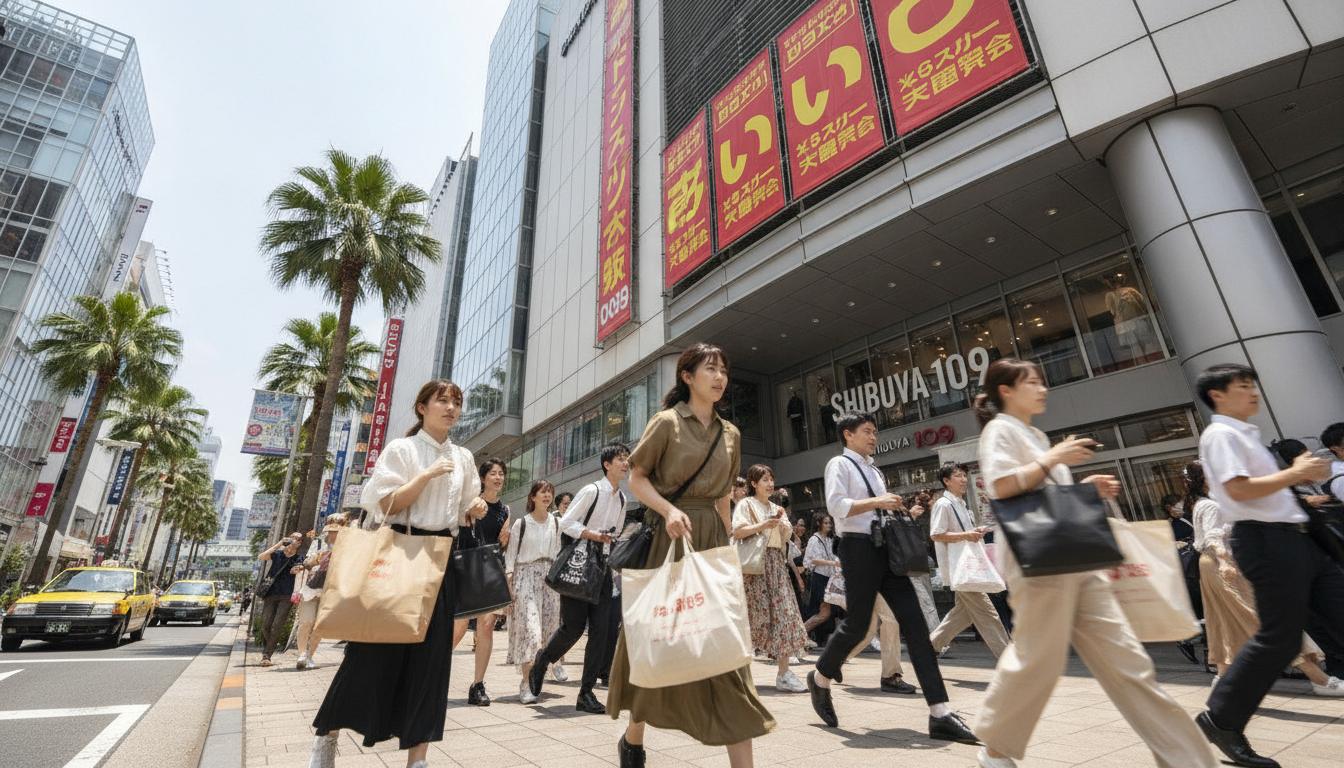
Shibuya and Harajuku remain the hub for youth-oriented fashion and emerging designers during Tokyo summer sales, with dedicated events geared toward streetwear, fast fashion and subculture labels. Shopping centers and select towers in these neighborhoods typically open early-summer promotions, and specialty locations such as Shibuya 109 and LaForet Harajuku stage concentrated clearance events that reflect current trends. These areas are particularly valuable for shoppers seeking trend-driven pieces at steep markdowns.
Retailers in Shibuya and Harajuku often combine in-store limited releases with pop-up outlet concepts, so timing and foot traffic can influence availability. Shoppers searching for subculture or niche fashion should visit early in sale windows when sizes and unique pieces are still plentiful. For style-oriented buyers, pairing visits to major commercial complexes with explorations of smaller independent boutiques increases the likelihood of finding distinctive items at competitive prices.
Tax-free shopping and online versus in-store sale differences
Tax-free eligibility remains a practical advantage for international visitors during Tokyo summer sales, with tourists able to claim refunds on purchases that meet local requirements. At participating stores, customers presenting a valid passport and meeting the minimum purchase threshold can complete the tax-free process at designated counters and secure a refund of consumption tax on eligible items. This benefit applies equally to discounted merchandise, so combining sale markdowns with tax-free procedures can substantially reduce the final price.
Online and in-store sale calendars do not always align, and retailers frequently stage parallel but distinct promotions across channels. Many merchants start online clearance earlier to clear inventories before physical stores launch their in-person sales, while others reserve select bargains for walk-in customers to drive foot traffic. Shoppers should compare published online offers with in-store signage and ask staff about upcoming restocks or secondary sale phases to ensure they are capturing the best possible deal.
Odaiba, Toyosu, Roppongi and Ueno provide one-stop and budget shopping options
Outer-city complexes and entertainment districts such as Odaiba, Toyosu, Roppongi and Ueno offer complementary alternatives to central luxury shopping during the Tokyo summer sales. Mega-malls in Odaiba, including Diver City and LaLaport, provide a consolidated shopping experience with mid-range brands and family-oriented outlets, making them efficient for shoppers who prefer one-stop trips. Roppongi and Akasaka tend to focus on compact luxury clusters, whereas Ueno and Asakusa emphasize practical, budget-friendly goods and local souvenir options.
These districts are particularly useful for travelers balancing sightseeing and shopping; combining retail stops with nearby attractions or dining options keeps visits economical and time-efficient. Outlying malls often run parallel promotional events at the same time as central districts, but they can offer superior stock depth for certain mid-range labels. For those prioritizing convenience and breadth of choice, a planned stop outside central Tokyo can deliver substantial savings without sacrificing variety.
Shoppers’ practical tips and how to plan a sale-shopping route
Plan key visits on weekdays when possible to avoid weekend crowds and long fitting-room queues. Weekday mornings tend to offer better stock depth and quicker staff assistance, allowing shoppers to try items with less wait time and clarity on available sizes.
Set alerts or follow official store channels for announcements about “Part 2” sales and extended markdowns. Many retailers update social feeds or mailing lists when they release a second wave of markdowns, so signing up or checking official outlets the week before a planned trip will yield timely intelligence.
Bring a valid passport if you are an international visitor and check minimum purchase requirements for tax-free eligibility. Completing tax-free paperwork at the point of sale will usually take only a few minutes, and pairing tax-free refunds with sale prices can produce significant overall savings.
Compare online and in-store prices before committing to larger purchases, and ask store staff about return and exchange policies during sale periods. Some merchants treat sale items differently in terms of returns, and clarity on policy prevents unexpected costs or difficulties after purchase.
Be mindful of “up to” discount messaging and staged price tags that emphasize a higher perceived original price. Scrutinize final sale prices and compare them with recent online listings if possible to verify whether an advertised percent-off represents a meaningful discount.
Final paragraph
Tokyo summer sales are a seasonal certainty that reward planning, patience and local knowledge; by mapping dates, prioritizing neighborhoods and combining tax-free procedures with advertised markdowns, shoppers can secure substantial savings across luxury, mid-range and youth-oriented markets. Follow store announcements, choose slower shopping times and compare online offers to make the most of the city’s staggered sale calendar this season.

