
Prabowo Orders Ride-Hailing Commissions Cut to 8% at May Day Rally
President Prabowo orders ride-hailing commissions cut to 8% and new insurance rules for drivers, pledging relief for transport workers amid rising fuel costs.
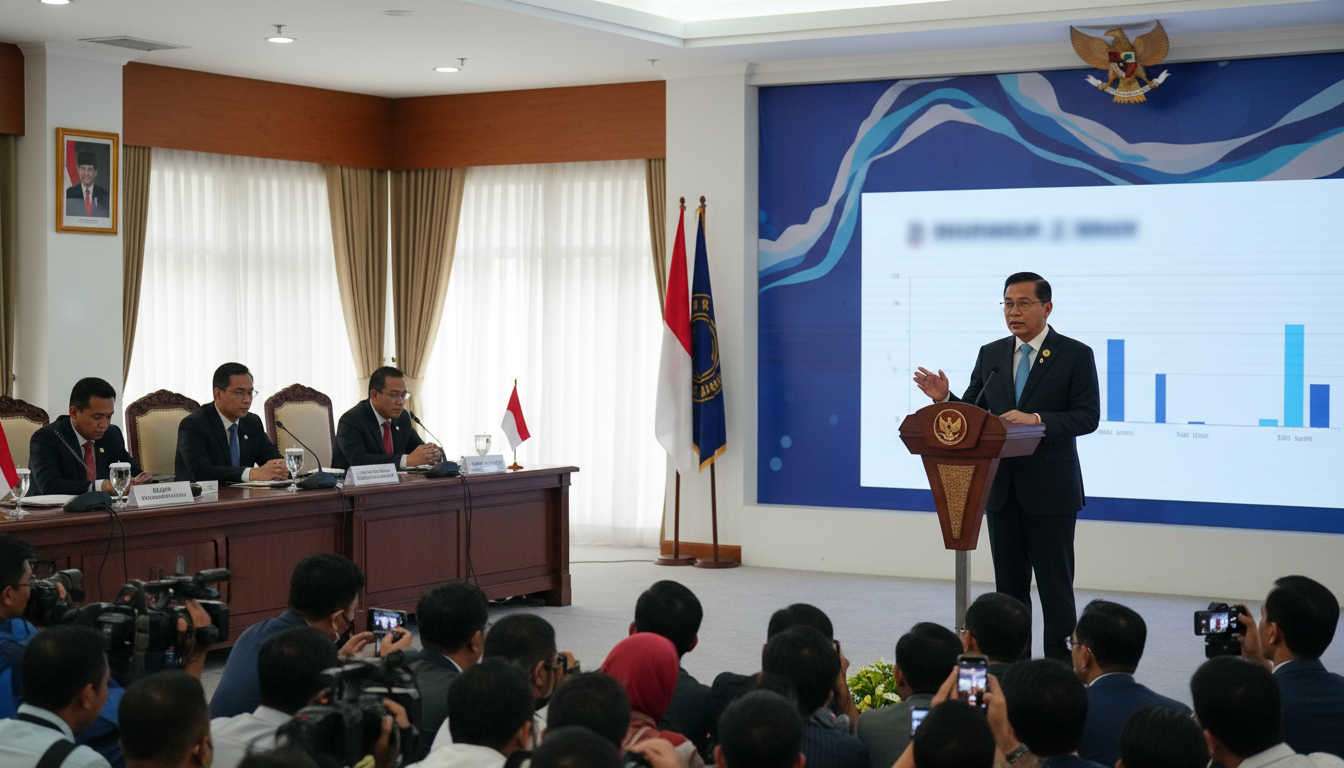
Indonesia’s President Prabowo Subianto on May 1, 2026, announced a sharp reduction in ride-hailing commissions at a May Day rally in Jakarta, saying platform fees will be capped at 8% to ease pressure on drivers. The move, aimed at addressing the squeeze from the global energy crisis, also includes new mandatory insurance requirements for drivers operating on digital platforms. The policy announcement immediately thrust the issue of ride-hailing commissions into the centre of Indonesia’s economic and labour debate.
Prabowo announces commission cap at May Day rally
President Prabowo made the pledge during a workers’ rally in Jakarta on May 1, 2026, promising swift action to protect drivers’ incomes. He said the government would cut commissions charged by ride-hailing platforms from levels he described as “excessive” to an 8% ceiling. The announcement came as part of a broader appeal to transport workers affected by rising fuel and living costs.
Scope of the 8% fee cap and insurance mandate
Officials said the cap would apply to commissions retained by platform companies on fares, though implementation details have yet to be released publicly. In tandem with the commission limit, the government is requiring platforms to provide or facilitate broader insurance coverage for drivers, covering accident and income-loss contingencies. Regulators will need to define eligible services, enforcement mechanisms and whether the cap will apply to incentives and ancillary fees.
Drivers and unions welcome relief but seek clarity
Driver groups hailed the policy as a long-sought concession after months of complaints about shrinking take-home pay amid higher energy costs. Union representatives said an 8% ceiling could restore a meaningful share of earnings to drivers who depend on daily fares. However, they also urged rapid clarification on how the cap and insurance requirements will be implemented to ensure the measures produce tangible improvements.
Platforms face operational and financial questions
Ride-hailing companies will confront immediate questions about revenue models and pricing structures if commissions are limited to 8%. Platforms currently rely on a mix of commissions, surge pricing and subscription services to cover technology, customer acquisition and driver support. Industry analysts say operators may respond by reshaping fee schedules, adjusting incentives, or seeking alternative revenue streams, though such steps could trigger further political and public scrutiny.
Potential impact on consumers and competition
A mandated commission reduction could translate into higher costs elsewhere in the value chain, with possible effects on passenger fares, surge pricing frequency, or reduced promotional discounts. Smaller domestic platforms and independent operators might gain a relative advantage if the new rules increase driver take-home pay and labour stability. Conversely, multinational platforms with deeper capital reserves could absorb short-term revenue impacts while investing to retain market share.
Regulatory timeline and enforcement challenges
Authorities have indicated an urgent timetable for drafting regulations, but the specifics of enforcement remain unsettled. Key implementation issues include setting audit and reporting standards, defining penalties for non-compliance, and coordinating oversight across ministries and local governments. Transport officials will also need to monitor insurance rollout to ensure coverage is accessible and affordable for drivers without delaying the policy’s intended relief.
Indonesia’s announcement comes amid growing global debate over the rights and protections of gig economy workers, as governments balance concerns about fair wages with the need to preserve digital innovation. The administration’s move to cap ride-hailing commissions and mandate insurance reflects mounting political pressure to show tangible gains for frontline workers in a high-cost environment.
As implementation proceeds, attention will focus on the regulatory text and the response from major ride-hailing operators, drivers’ organisations, and consumer groups. The policy’s success will hinge on clear enforcement measures, effective insurance delivery, and careful management of knock-on effects for pricing and platform investment.

