
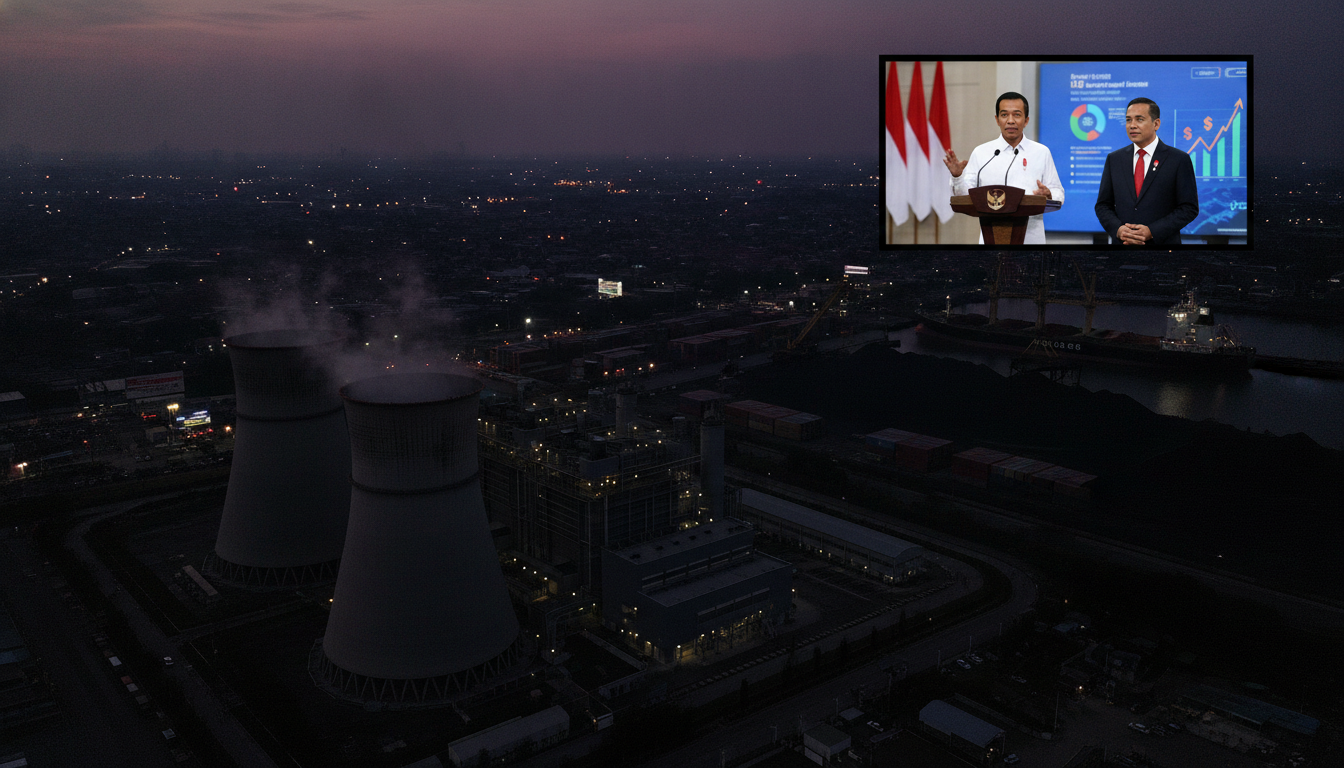
Indonesia power outages spread to Greater Jakarta as coal price gaps tighten domestic supply
Indonesia power outages hit Greater Jakarta and regions amid coal price gaps and tight supply, prompting urgent responses from utilities and regulators.
Indonesia power outages have swept through several regions in recent weeks, including Greater Jakarta, leaving households and businesses facing intermittent blackouts. Energy analysts and industry sources point to widening coal price gaps between domestic contracts and export markets as a central factor in the supply squeeze. The disruptions have exposed vulnerabilities in generation fuel procurement and prompted emergency measures from utilities and local authorities. Residents from urban centers to smaller towns report sudden outages and disruptions to daily life and commerce.
Regions affected and timeline of outages
Several provinces reported rolling outages and short-duration blackouts over the past month, with the Greater Jakarta metropolitan area among the hardest hit. Local reports describe intermittent failures affecting residential neighborhoods and small businesses during peak hours. Authorities say the pattern has been sporadic rather than a single prolonged grid failure, complicating restoration planning. Preliminary accounts from distribution companies show higher-than-normal demand coinciding with constrained fuel deliveries.
Coal market dynamics behind the supply shortfall
Market participants say a growing price gap between the domestic coal market and overseas export prices has incentivized shipments abroad, leaving less fuel available for Indonesian power plants. Industry analysts note that when export prices outpace regulated domestic contract rates, producers tend to favor exports, tightening local supply. These market pressures have coincided with logistical bottlenecks and maintenance outages at several generating units, amplifying the shortfall. The combination of market incentives and operational issues has reduced fuel availability for some thermal plants.
Effects on households and small businesses
The outages have had immediate consequences for families and micro-enterprises, especially those relying on refrigeration, lighting and point-of-sale systems. In East Java, vendors reported using candles during sudden cuts, while shops experienced lost sales during evening hours. Small manufacturers and service providers said unscheduled downtimes interrupted production and increased operational costs. For many urban households, the outages added to everyday frustrations and raised concerns about critical services such as healthcare and transportation.
Utility and government responses
Distribution companies and the state-owned utility have deployed contingency plans that include rolling outages and prioritized supply to critical facilities such as hospitals. Utilities have also accelerated fuel procurement and mobilized reserve capacity where possible. Regulators and energy ministry officials are reported to be reviewing domestic coal allocation mechanisms and contract arrangements to address the divergence with export prices. Local governments have set up hotlines and information channels to alert residents about outage schedules and restoration timelines.
Short-term fixes and longer-term policy options under discussion
In the short term, officials are exploring emergency fuel purchases, temporary reallocation of coal stocks and demand-management measures to ease pressure on the grid. Industry analysts recommend revisiting pricing incentives and strengthening contractual enforcement to ensure adequate domestic supply during peak seasons. Longer-term strategies under consideration include diversifying generation sources, accelerating renewable energy deployment and improving grid flexibility to reduce reliance on single-fuel pathways. Stakeholders emphasize that market signals, regulatory clarity and infrastructure investment must align to prevent recurring supply imbalances.
The outages have also renewed calls for improved transparency in fuel procurement and clearer contingency planning for extreme demand periods. Investors and industrial users urged authorities to publish forward-looking fuel availability assessments to help businesses plan operations. Meanwhile, consumer groups pressed for compensation mechanisms and clearer communication when outages occur.
The widespread disruptions underscore the complex interplay between international commodity markets and domestic energy security. As Indonesia moves to balance export opportunities with the need to keep lights on at home, policymakers and market actors face immediate pressure to reconcile competing incentives. Restoring stable supply and preventing future Indonesia power outages will likely require a mix of emergency interventions and structural reforms to the coal supply chain and the broader power sector.

