
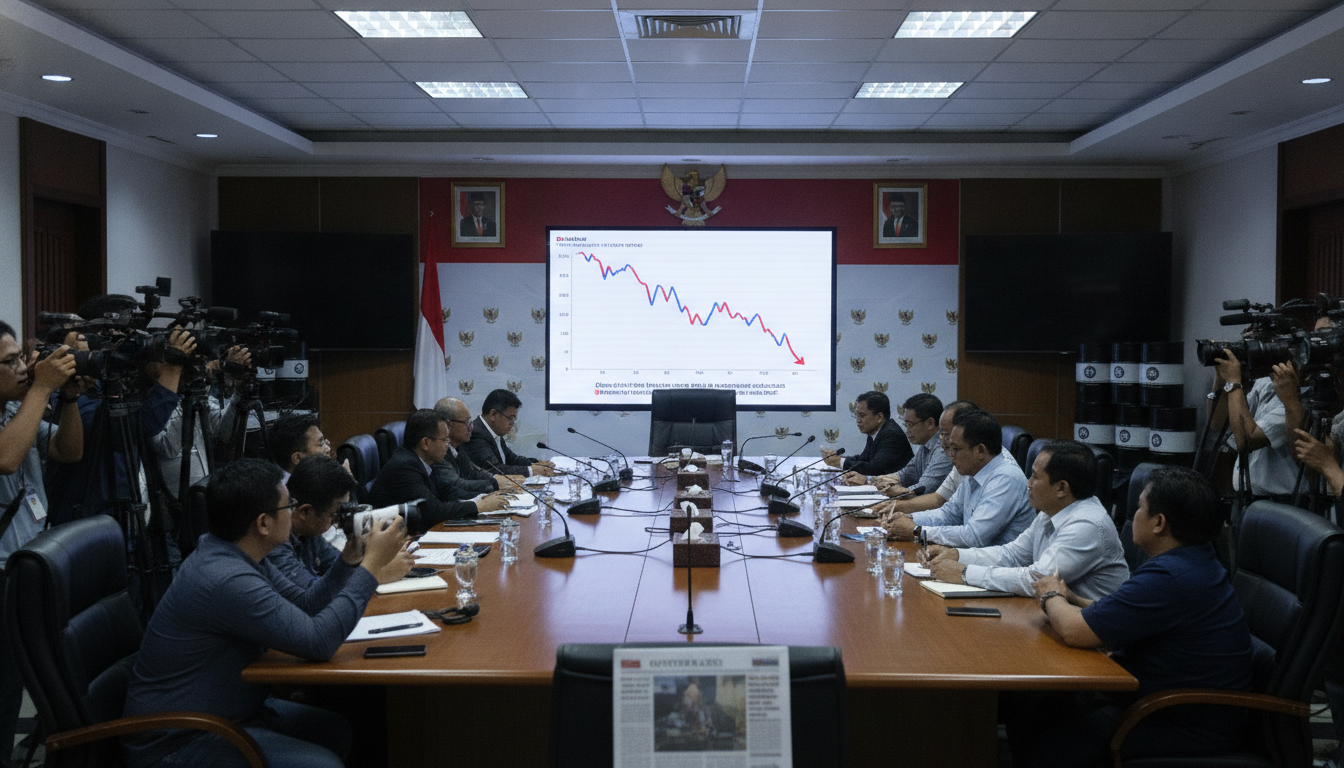
Indonesia trade deficit returns in May 2026 as rising oil costs and weak rupiah drive import surge
Indonesia trade deficit returns in May 2026 as soaring oil prices and a weaker rupiah pushed import bills higher, denting export gains and the nation’s growth outlook.
JAKARTA — Indonesia recorded its first trade deficit in six years in May 2026 as the value of imports jumped on rising oil prices tied to the Iran conflict and a softer rupiah, while exports of key commodities weakened. The Indonesia trade deficit in May reversed a multi-year run of surpluses and highlighted renewed vulnerabilities in the country’s external accounts. Officials and analysts warn the shift could complicate near-term growth and force policy adjustments if pressures persist.
May trade deficit ends six-year surplus streak
Official trade figures showed a swing into deficit for May 2026 after successive months of surplus that had helped cushion the economy since 2020. The turnaround reflected a combination of higher import bills and slower outbound shipments of crucial commodity goods. Trade officials said the composition of imports — particularly energy-related purchases — was a primary factor in the deterioration of the balance.
The deficit signals a stop to momentum that had supported the rupiah and foreign exchange reserves in previous months. Economists noted that a single adverse shock to commodity prices or the currency can quickly reverse short-lived improvements in the trade balance. Market participants are watching whether the trend continues into the summer months.
Energy import bill surges amid Middle East conflict
Indonesia’s heavy reliance on imported oil left the country exposed when global crude prices rose following heightened hostilities in the Middle East. The spike in oil costs translated into a sharply larger import bill, even as domestic consumption patterns remained steady. Oil storage tanks in Jakarta and port facilities have become focal points of concern as import costs climb.
Higher energy prices also raise the cost base for manufacturers and distributors who rely on diesel and fuel for logistics and power generation. That added pressure can ripple through prices for businesses and consumers, complicating inflation management for policymakers. The immediate impact has been a visible widening of the goods import line in May’s trade accounts.
Weaker rupiah amplifies import costs
A softer rupiah in recent weeks amplified the effect of higher commodity prices by increasing the local-currency cost of imports. Currency depreciation raises the domestic price of oil and other dollar-denominated inputs, squeezing margins for firms that cannot pass costs to buyers. Importers have reported higher bills even where physical volumes have not markedly increased.
Currency moves also affect investor sentiment and the cost of foreign-currency liabilities for Indonesian corporates. Analysts caution that sustained weakness in the rupiah would make it harder to rebalance the current account and could prompt more active interventions or interest-rate considerations from monetary authorities. For now, policymakers face the trade-off between supporting growth and stabilizing the currency.
Exports of key commodities show signs of cooling
May saw a decline in exports of several key commodities that had previously driven trade surpluses, according to trade observers. Global demand dynamics, logistical disruptions, and softer commodity prices in certain segments contributed to reduced receipts from outbound shipments. The combination of lower export proceeds and elevated import costs produced the overall deficit outcome.
Exporters expressed concern that external demand may remain uneven in the near term, particularly for bulk commodities tied to industrial cycles. Firms reliant on commodity exports are assessing cost structures and seeking new markets, but any recovery in export revenues will depend heavily on external price and demand conditions. The trade composition shift underscores the economy’s sensitivity to global commodity cycles.
Policy options under consideration in Jakarta
The government and monetary authorities are closely monitoring the balance of payments and may consider a range of measures if pressures persist. Possible responses include targeted subsidies or fuel reserve draws to blunt the immediate impact of higher oil prices, and calibrated foreign-exchange interventions to support the rupiah. Officials have reiterated their preference for market-based adjustments, while keeping tools ready to address acute volatility.
Longer-term policy discussion centers on reducing import dependency for key energy needs and accelerating value-added exports to improve resilience. Analysts recommend a mix of short-term stabilization steps and structural reforms that would diversify export bases and strengthen domestic energy capacity. Any policy moves will be judged by their effectiveness in stabilizing the trade position without undermining growth.
Outlook and risks for the remainder of 2026
The direction of Indonesia’s trade balance for the rest of 2026 will hinge largely on global energy markets, the trajectory of the rupiah, and demand for the country’s commodity exports. If oil prices moderate and the currency stabilizes, the trade deficit recorded in May could narrow in subsequent months. Conversely, further escalation in geopolitical tensions or renewed currency weakness would increase downside risks.
Investors and businesses will be watching incoming trade and macro data for signs of persistence in the current trend. For policymakers, the challenge will be to balance short-term support measures with reforms that reduce vulnerability to external shocks. The May 2026 Indonesia trade deficit has placed those trade-offs squarely on the agenda as the economy navigates a complex global backdrop.
The government and market participants said they would monitor monthly trade flows closely and prepare contingency measures should the deficit widen further.

