
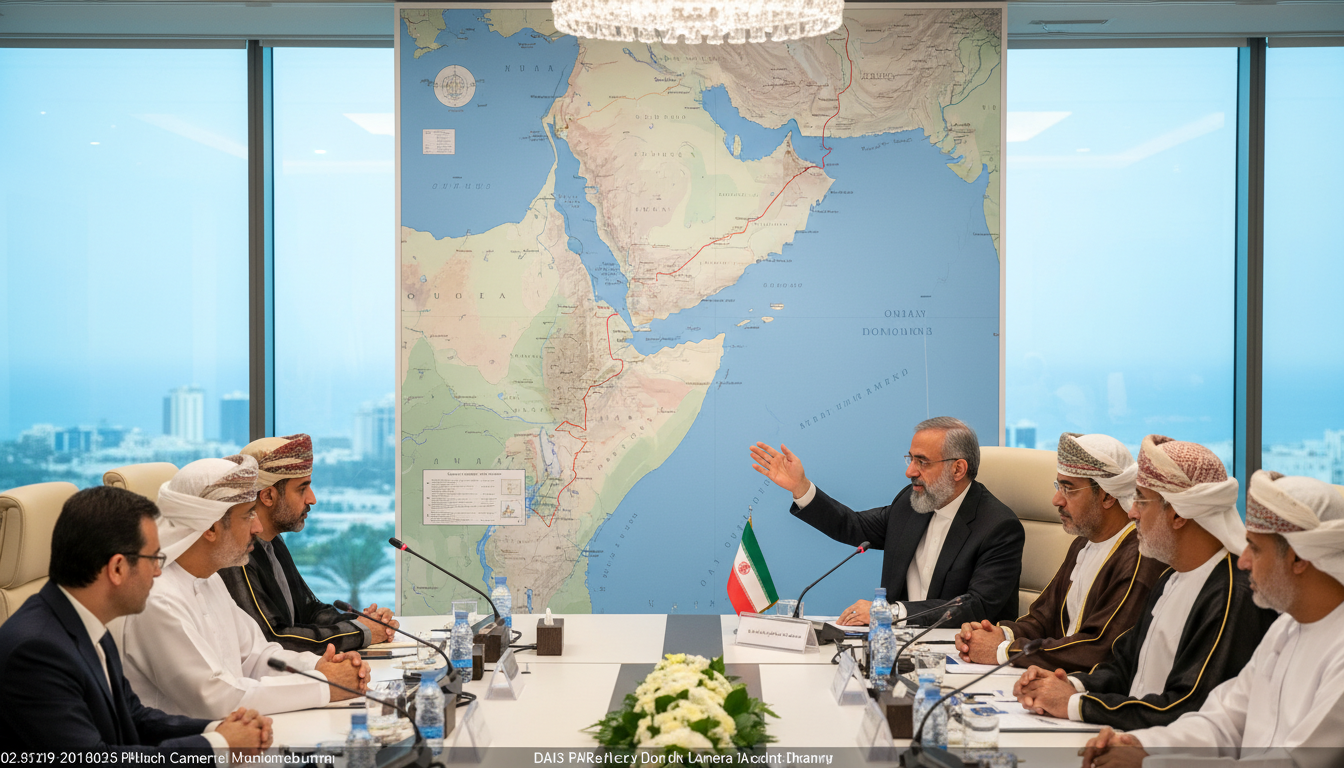
Iran Proposes Safe Passage Along Omani Side of Strait of Hormuz in Talks with U.S.
Iran has proposed allowing vessels to sail unmolested along the Omani side of the Strait of Hormuz if a negotiated deal prevents renewed conflict, a source briefed by Tehran said.
The offer, disclosed amid ongoing U.S.-Iran talks, comes as the U.S.-Israeli war with Iran has created the largest disruption to global oil and gas flows in recent history. Control of the Strait of Hormuz, which handles roughly 20% of the world’s oil and liquefied natural gas, remains a central issue in the negotiations.
Tehran Offers Corridor for Omani Side Transit
A source briefed by Tehran told officials that Iran could permit ship movements on the Omani side of the Strait of Hormuz free from attack, contingent on a broader agreement to prevent the conflict from restarting. The proposal is presented as part of a package of security guarantees Iran has offered during talks with the United States.
Iran’s concession would not immediately restore full maritime operations, the source cautioned, but it is intended to be a measurable confidence-building step that could be implemented quickly if both sides ratify terms. The suggestion underscores Tehran’s interest in coupling maritime access with a political settlement.
Shipping Disruption in the Persian Gulf
Since the war began on February 28, hundreds of tankers and commercial vessels have been detained in the Persian Gulf, creating a major backlog at regional ports. Shipping firms and insurers have reported sharply higher costs as traders reroute or delay shipments to avoid contested waters.
The paralysis has affected an estimated 20,000 seafarers who remain aboard vessels awaiting safe passage or alternative instructions. Industry sources say the backlog has cascaded into global markets, tightening supply and increasing volatility in energy prices.
Scale of the Global Energy Impact
The Strait of Hormuz handles about one-fifth of global oil and LNG flows, and interruptions there have immediate consequences for markets worldwide. Analysts warn that prolonged disruption would further strain supplies and could drive longer-term shifts in trade routes and energy sourcing.
Governments and energy companies are monitoring cargoes and storage levels closely while contingency planning accelerates. The proposal to use the Omani corridor, if enacted, could relieve pressure on some routes but would not resolve export interruptions originating from damaged or closed production facilities.
Humanitarian and Operational Strain on Crews
Mariners trapped aboard ships in the gulf have faced extended periods at sea, limited shore access and logistical shortages as ports and terminals operate under constrained conditions. Shipping associations and labour groups have raised concern about crew welfare and the need for coordinated relief measures.
Humanitarian agencies are urging that any negotiated maritime corridor include explicit provisions for crew transfers, medical access and expedited resupply. Advocates say protecting seafarers should be a priority alongside commercial and strategic considerations.
Ceasefire, Negotiations and Outstanding Security Questions
A two-week ceasefire came into effect on April 8, temporarily easing direct hostilities, and U.S. President Donald Trump said on Wednesday the war was close to over. Despite the pause in fighting, negotiators continue to wrestle with verification measures and enforcement mechanisms for any agreement affecting maritime security.
Control of the Strait of Hormuz is intertwined with broader security demands, including naval deployments, surveillance capabilities and legal arrangements for transit. Any durable solution will require clear, enforceable commitments and international oversight to reassure commercial operators.
Legal and Geopolitical Challenges Around the Omani Corridor
Allowing transit along the Omani side raises legal and operational questions, including the delineation of safe lanes, the role of coastal states in enforcement, and the rights of neutral shipping under international maritime law. Oman’s position and its capacity to guarantee protection will be central to the corridor’s credibility.
Geopolitically, a corridor proposal could attract support from states keen to restore energy flows, while also prompting scrutiny from regional actors concerned about precedent and balance of influence. Diplomats say any practical arrangement will need buy-in from multiple stakeholders to be effective.
A potential corridor along the Omani side of the Strait of Hormuz represents a pragmatic, if limited, approach to easing the immediate humanitarian and commercial strains caused by the conflict. Implementation will hinge on whether negotiators can translate Tehran’s offer into verifiable, widely accepted safeguards that allow shipping to resume with confidence.

