
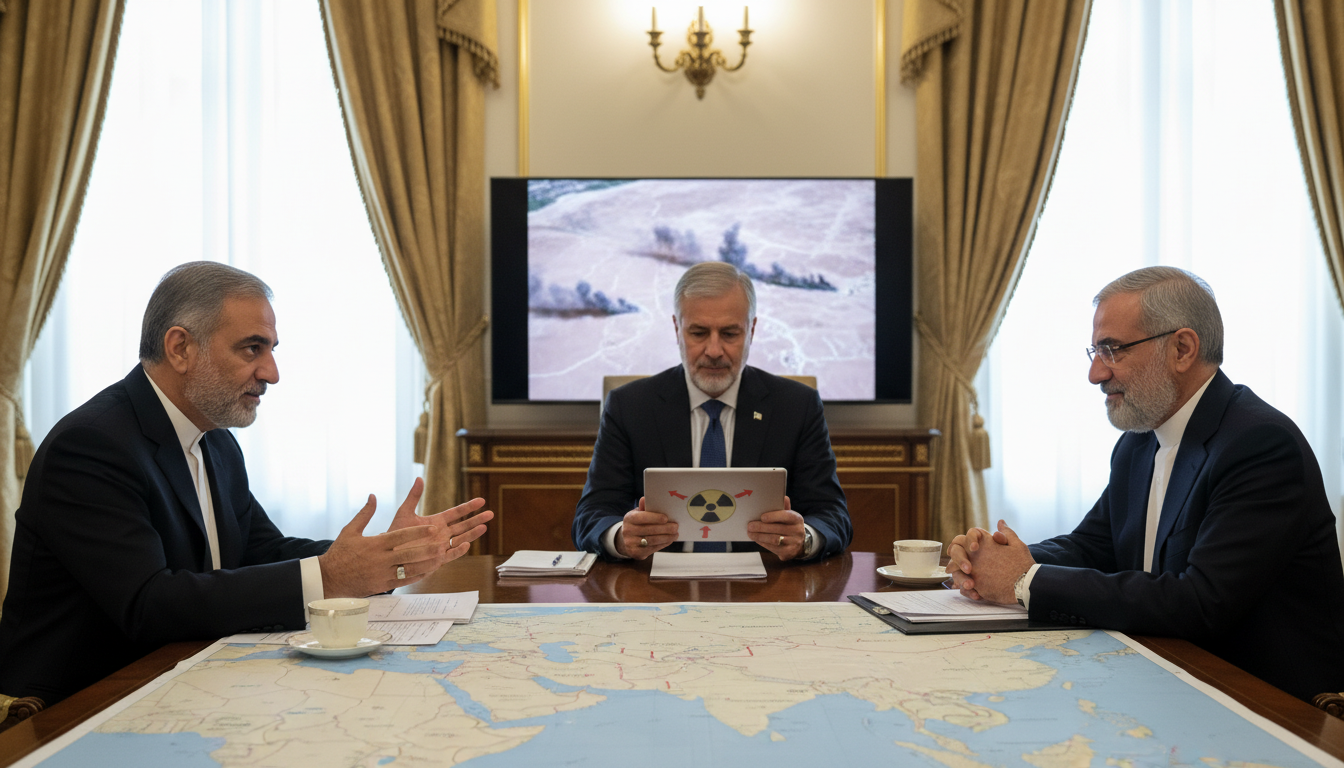
Pakistan mediation expected to yield breakthrough on Iran nuclear programme as Islamabad brokers end to US‑Israeli war
Pakistan mediation may unlock a breakthrough on Iran’s nuclear programme as Islamabad convenes talks with Iranian and Saudi officials to help negotiate an end to the US‑Israeli war against Iran.
Pakistan mediation efforts accelerated this week after senior military and government representatives met with Iranian and Saudi counterparts on Wednesday, April 15, 2026, in a move described by officials as a bid to de‑escalate the region. Pakistani authorities say their role is focused on shuttle diplomacy and confidence‑building measures that could create space for a formal agreement addressing Iran’s nuclear programme. Sources close to the discussions say Islamabad expects concrete progress in coming days if participating parties sustain momentum.
Pakistan’s mediation mandate and participants
Pakistani officials framed their mediation as pragmatic and neutral, aimed at securing an immediate cessation of hostilities while opening a diplomatic channel on nuclear issues. Delegations from Pakistan’s military and foreign ministry engaged directly with senior Iranian and Saudi figures, with the meetings intended to bridge gaps between Tehran and Gulf partners.
Officials involved in the talks described Islamabad’s role as facilitator rather than guarantor, emphasizing that Pakistan does not seek to impose terms but to provide a venue and momentum for negotiation. The inclusion of both Iranian and Saudi leadership in the same negotiation track was characterized as essential by participants, given the Gulf’s strategic interest in regional stability.
Details of the April 15 meetings
The meetings on April 15 brought together Pakistani envoys, senior Iranian officials and Saudi representatives for several hours of closed‑door discussions. Delegations reportedly addressed immediate humanitarian and security concerns arising from the ongoing US‑Israeli campaign, as well as modalities for further dialogue on technical nuclear matters.
Participants presented concise lists of priorities and red lines, and officials said the talks produced a preliminary roadmap for continued engagement. Pakistani mediators conveyed proposals aimed at sequencing commitments so that reductions in hostilities would create conditions for substantive nuclear negotiations.
How the talks relate to Iran’s nuclear programme
A source familiar with the negotiations told officials that Pakistan is seeking a breakthrough tied to limits on Iran’s nuclear activities in exchange for de‑escalation measures. The concept under discussion would combine short‑term confidence measures — such as notifications of sensitive movements and third‑party inspections — with longer‑term technical talks on enrichment, verification and safeguards.
Analysts caution that any credible breakthrough will require clarity on verification mechanisms and third‑party oversight to assure all parties that nuclear constraints are durable. Pakistani mediators are reportedly exploring the involvement of neutral technical experts to monitor compliance as part of a phased agreement.
Regional and Gulf interests in de‑escalation
Saudi Arabia and other Gulf states have repeatedly warned that continued military confrontation would threaten regional trade routes, energy supplies and broader security cooperation. Gulf participation in the talks reflects a desire to limit spillover and to secure guarantees that Iran’s regional posture will be addressed in parallel with nuclear concerns.
For Tehran, reduced pressure and a path toward normalization with Gulf neighbors could relieve economic and security strains, but Iranian leaders have signaled that any concessions on the nuclear file would require reciprocal security assurances. Pakistan’s geographic and diplomatic position as a Muslim‑majority state with ties to both sides made it a practical choice to host and shepherd these exchanges.
Diplomatic hurdles and likely next steps
Despite reported progress, major hurdles remain, including mutual distrust, the role of external powers and the technical complexity of nuclear controls. Any agreement would have to reconcile divergent expectations from Washington, Tel Aviv, Riyadh and Tehran, and would likely require phased verification and third‑party involvement to satisfy skeptical audiences.
Pakistani mediators plan to continue shuttle diplomacy with further bilateral and multilateral meetings in the coming days, according to officials. They have proposed a timetable that would prioritize an immediate halt to major combat operations, followed by technical talks focused on nuclear transparency and inspection protocols.
A final settlement will depend on whether the parties can translate tentative understandings into verifiable commitments that reduce the risk of renewed confrontation. Observers say the fragile nature of the situation means progress could be reversed if any side perceives strategic loss, underscoring the importance of sustained diplomacy and international technical support.

