
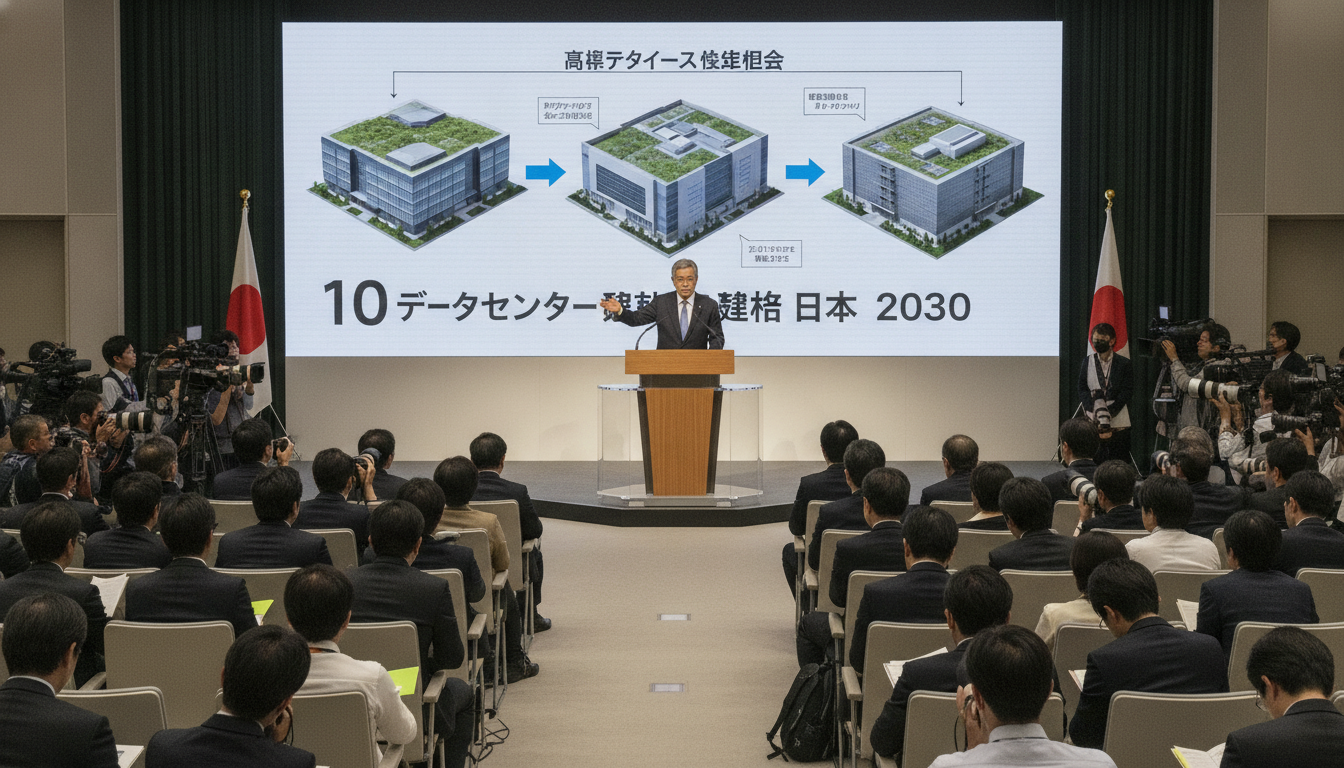
Itochu data centers: trading house to invest several hundred billion yen to build 10 facilities by 2030
Itochu will invest several hundred billion yen to develop around 10 data centers across Japan by 2030, leasing capacity to U.S. tech giants and other cloud providers as it builds a new digital infrastructure business.
Itochu to commit large-scale capital for data center development
Itochu announced plans to channel several hundred billion yen into data center construction through to 2030, marking a major strategic shift for the trading house into physical infrastructure. The build-out is expected to include approximately 10 facilities, with the company intending to operate and lease capacity before eventually divesting some assets. The move positions Itochu to capture recurring lease revenues from hyperscalers and large enterprise customers while also creating opportunities to realize gains through property sales.
Planned footprint and construction timeline
The company aims to complete construction of multiple sites in the coming years, targeting a roll-out cadence that accelerates as projects secure permits and grid connections. Itochu has signaled an intention to prioritize locations that offer strong connectivity and reliable power supply, reflecting the technical demands of high-density computing. Development is slated to continue through 2030, allowing time to coordinate site selection, build modular facilities and address local approvals and environmental considerations.
Lease strategy focused on U.S. tech giants and cloud providers
Itochu’s commercial plan centers on leasing data center capacity to major U.S.-based cloud and technology companies, alongside domestic and regional cloud providers. By offering turnkey space and power, the trading house expects to meet rising demand for capacity from hyperscalers seeking low-latency access to Japanese markets. The company’s strategy of building assets to lease first and sell later is designed to attract long-term corporate tenants while preserving an exit path for institutional buyers or real-estate investors.
Drivers behind rising demand for data centers in Japan
Demand for data center capacity in Japan is being driven by a combination of cloud adoption, artificial intelligence workloads and the need for resilient local infrastructure. Enterprises increasingly require nearby compute for regulatory compliance, data residency and improved user experience, prompting growth in colocation and dedicated facilities. At the same time, AI and machine learning projects are raising power and cooling requirements, pushing developers to prioritize sites with stable electricity supplies and access to advanced cooling technologies.
Competitive landscape and corporate rationale
Itochu will enter a market already contested by telecom operators, domestic developers and global real-estate investors, all seeking to capitalize on surging capacity needs. For a trading house with broad industrial ties, moving into data centers leverages strengths in project coordination, land sourcing and capital deployment. The development-and-lease model allows Itochu to build tenant relationships with leading tech companies while retaining flexibility to monetize physical assets through sales to institutional buyers keen on stable income-producing infrastructure.
Local economic and infrastructure implications
Large-scale data center construction carries implications for regional economies, including job creation during construction and ongoing operations, as well as increased demand for power and connectivity. Municipalities hosting new facilities may benefit from upstream construction activity and longer-term maintenance and security roles, but they will also need to manage land-use planning and grid capacity concerns. The success of these projects will depend on coordination with local authorities, utilities and community stakeholders to ensure sustainable integration with regional energy systems.
Itochu’s entry into data center development represents a notable diversification for a trading house traditionally focused on commodities, retail and industrial projects. By targeting leases to major cloud providers and building a portfolio of assets for later sale, the company is seeking to play a larger role in the digital backbone that underpins Japan’s economy while pursuing long-term returns from a growing infrastructure class.

